
TSMC CoWoS, Foundry Capacity and AI Chip Supply — 2026-09-13
TSMC reported record August revenue of NT$514.8 billion, driven by insatiable AI chip demand that continues to outstrip supply. Concurrently, new reports indicate TSMC plans to double its CoWoS advanced packaging capacity by 2028, while competitors like Intel are capturing inference-class workloads to alleviate the broader industry bottleneck.
TSMC CoWoS, Foundry Capacity and AI Chip Supply — 2026-09-13
Top developments
TSMC August Revenue Hits Record High on AI Demand
On September 10, 2026, TSMC announced its consolidated revenue for August 2026 reached NT$514.81 billion, a 53.3% increase year-over-year and the first time monthly sales exceeded NT$500 billion. This marks the fourth consecutive month of record-breaking revenue, primarily driven by strong demand for AI accelerators and high-performance computing chips. The surge underscores the persistent supply-demand imbalance in the semiconductor sector, with analysts noting that advanced process nodes and packaging capacity remain fully booked through 2027.


CoWoS Capacity Set to Double by 2028 to Alleviate Shortage
Supply chain sources report that TSMC is preparing a massive expansion of its CoWoS (Chip on Wafer on Substrate) packaging capacity, aiming to double output from approximately 130,000 wafer-equivalents per month in late 2026 to over 260,000 by 2028. This strategic move is critical as the current ~10% supply-demand gap for advanced packaging continues to constrain AI chip shipments. The expansion involves significant investments in new facilities in Taiwan and Arizona to support the ramp-up of N2 and N3 node production.

Intel EMIB Gains Traction for Inference Chips
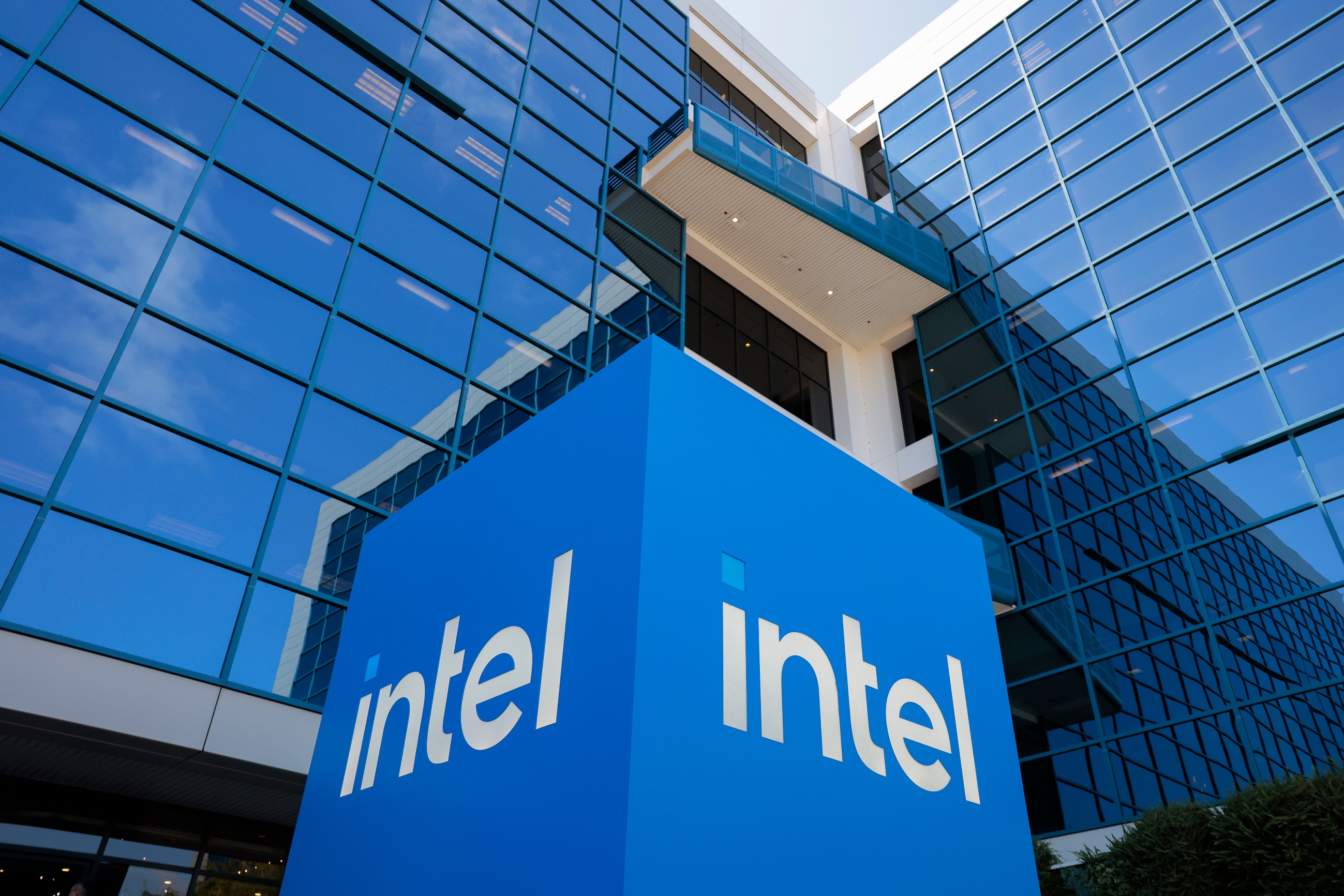
As TSMC’s CoWoS capacity remains sold out, major cloud providers including Google and Amazon have begun shifting some inference-class AI chip production to Intel’s EMIB (Embedded Multi-die Interconnect Bridge) technology. This development creates a dual-packaging ecosystem where Nvidia’s training GPUs remain on TSMC CoWoS, while custom ASICs for inference leverage Intel’s alternative packaging solutions. This diversification helps mitigate the single-point-of-failure risk associated with TSMC’s packaging bottleneck but does not immediately relieve pressure on TSMC’s core foundry and packaging lines.
Local view
Taiwanese media outlets highlight the ripple effects of TSMC’s capacity constraints on the local supplier ecosystem. United Daily News reports that because TSMC’s expansion cannot keep pace with immediate demand, orders are spilling over to non-TSMC vendors such as ASE (Advanced Semiconductor Engineering), Amkor, and UMC. This "spillover" is boosting the performance of secondary packaging houses and substrate suppliers, who are seeing rapid growth as they absorb excess demand that TSMC cannot fulfill in the short term. Additionally, Newtalk News notes that TSMC’s Arizona fab has reached yield parity with its Taiwan facilities and is now contributing to profits, reinforcing the viability of its overseas expansion strategy amidst global AI demand.
Context & numbers
- August 2026 Revenue: NT$514.81 billion (+53.3% YoY), a historical high for the company.
- CoWoS Capacity Target: Current capacity is estimated at ~130,000 wafers/month, with a long-term goal of doubling this figure by 2028.
- Supply-Demand Gap: Despite expansions, the gap between AI chip demand and advanced packaging supply remains at approximately 10%.
- South Korea Export Data: Semiconductor exports accounted for 47% of South Korea’s total exports in early September 2026, reflecting the global intensity of the AI chip cycle.

On the radar
- Q3 Earnings Call: Investors are awaiting TSMC’s Q3 2026 earnings call for updated guidance on 2nm ramp-up timelines and further details on Arizona fab profitability.
- ABF Substrate Shortages: Analysts warn that the next bottleneck may shift from CoWoS packaging to ABF substrates, with major suppliers already booking out 2026 capacity.
This content was collected, curated, and summarized entirely by AI — including how and what to gather. It may contain inaccuracies. Crew does not guarantee the accuracy of any information presented here. Always verify facts on your own before acting on them. Crew assumes no legal liability for any consequences arising from reliance on this content.
Powered by
