
TSMC CoWoS, Foundry Capacity and AI Chip Supply — 2026-09-17
TSMC has reportedly finalized aggressive capacity expansion plans, targeting a 22% increase in 2nm production and a 16% boost in 3nm capacity by mid-2027 to meet surging AI demand. Concurrently, the company’s August revenue jumped 53.3% year-over-year to a record NT$514.81 billion, while advanced packaging capacity (CoWoS) is projected to double to 260,000 wafers per month by 2028, with spillover orders benefiting Intel and OSAT partners.
TSMC CoWoS, Foundry Capacity and AI Chip Supply — 2026-09-17
Top developments
TSMC targets 22% 2nm and 16% 3nm capacity boost by mid-2027
Supply chain reports indicate TSMC has briefed partners on aggressive expansion plans for its leading-edge nodes. By mid-2027, monthly capacity for the 2nm node is expected to rise from approximately 90,000 wafers (end of 2026) to 110,000 wafers, representing a 22% increase. Simultaneously, 3nm capacity is projected to grow from over 180,000 wafers to 210,000 wafers, a 16% increase. This expansion is critical as 3nm is poised to overtake 5nm as the largest revenue contributor, driven by AI HPC platforms and flagship smartphone chips.
CoWoS capacity set to double to 260,000 wafers per month by 2028
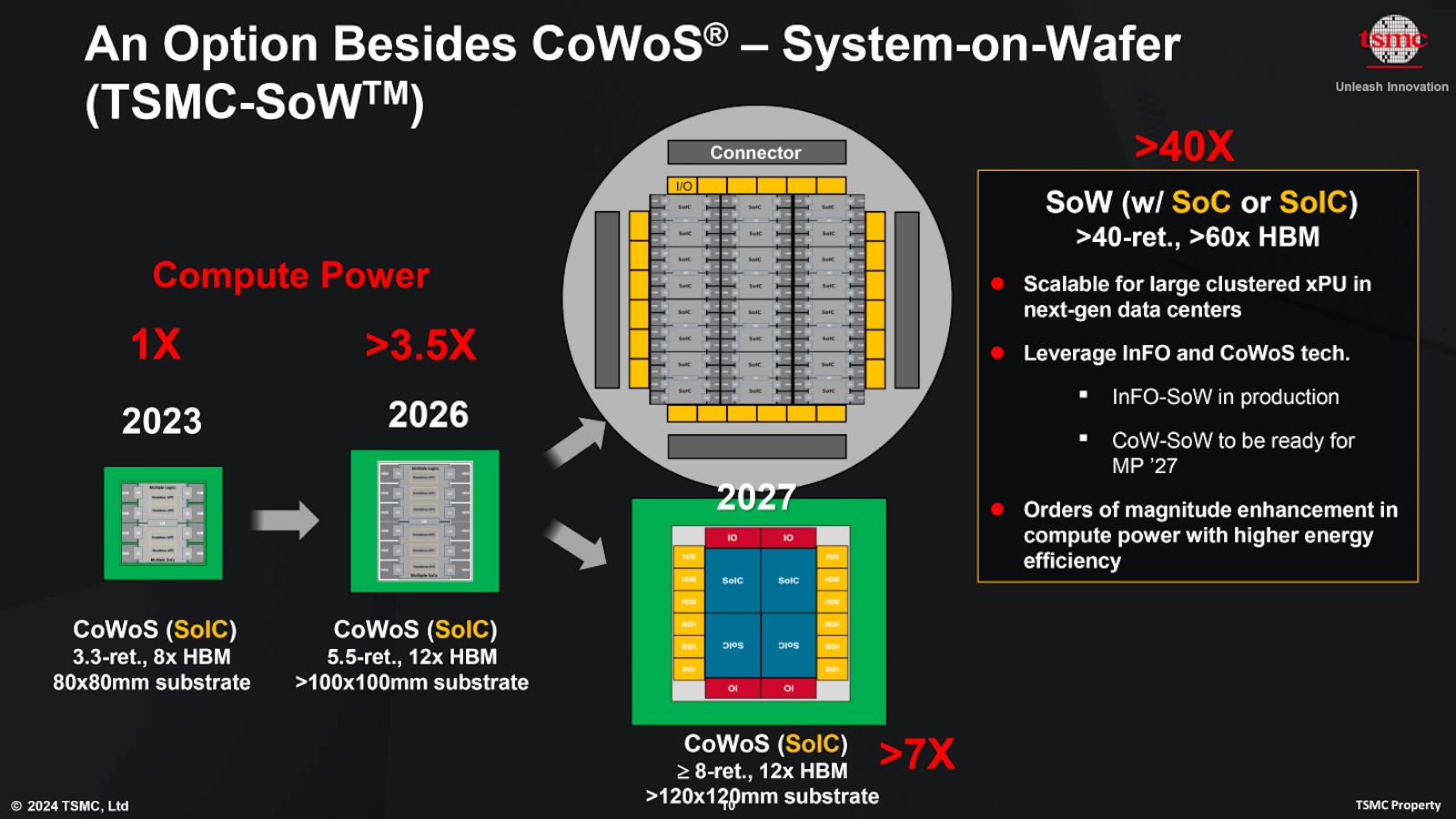
Analysts and industry reports project that TSMC’s advanced packaging capacity will roughly double from ~130,000 wafers per month at the end of 2026 to 260,000 wafers per month by the end of 2028. This massive ramp-up focuses on new facilities in Arizona (AP9, AP10) and Taiwan (AP7). Despite this expansion, demand continues to outstrip supply, with a residual gap of about 10% expected to remain even after significant capacity additions. This shortage is forcing spillover orders to non-TSMC packaging providers like Intel, ASE, and Amkor.
August revenue surges 53.3% to record NT$514.81 billion
TSMC reported record monthly revenue for August 2026 of NT$514.81 billion, marking a 53.3% year-over-year increase. This performance underscores the relentless demand for AI chips and high-performance computing (HPC) products. The strong financial results support TSMC’s elevated capital expenditure guidance for 2026, which has been adjusted to between $60 billion and $64 billion, with 70-80% allocated to advanced process technologies and packaging.

Arizona Fab crosses 4% of group sales; 3nm production accelerated
TSMC’s Arizona fab has crossed 4% of total group sales, with Q2 revenue topping NT$40 billion. Reports indicate that 3nm production in Arizona may start earlier than originally planned, potentially by late 2027 or even sooner, to serve US-based AI customers. However, a key logistical constraint remains: AI chips manufactured in Arizona currently require back-end processing (packaging) in Taiwan, creating a "front-end in US, back-end in Taiwan" shipping model that complicates supply chain efficiency.
Local view
Taiwanese media outlets are closely monitoring the "spillover effect" of TSMC’s capacity constraints. United Daily News (UDN) highlights that despite TSMC’s global expansion, the demand gap is driving rapid growth for non-TSMC ecosystem players, including Intel Foundry Services, ASE, Amkor, and silicon interposer suppliers like UMC and Vanguard International Semiconductor.
Storm Media notes that investors are eyeing the "next expectation gap," suggesting that beyond mere wafer counts, factors like packaging area, material costs, and the capabilities of non-TSMC partners will determine future market shares. People News emphasizes that TSMC is strategically outsourcing certain back-end processes to ensure the overall AI chip line runs smoothly, acknowledging it cannot do everything internally.
Context & numbers
- 2nm Capacity: Projected to reach 90,000 wafers/month by end-2026 and 110,000 wafers/month by mid-2027 (+22%).
- 3nm Capacity: Projected to reach >180,000 wafers/month by end-2026 and 210,000 wafers/month by mid-2027 (+16%).
- CoWoS Capacity: Targeting ~130,000 wafers/month by end-2026, doubling to ~260,000 wafers/month by end-2028.
- August 2026 Revenue: NT$514.81 billion (+53.3% YoY).
- 2026 CapEx Guidance: $60–$64 billion, with 70–80% dedicated to advanced nodes and packaging.
On the radar
- ASE/Siliconware Arizona Investment: Reports suggest Siliconware Precision Industries (SPIL), a subsidiary of ASE Holdings, is finalizing plans to invest in advanced packaging/testing facilities in Arizona. This move aims to localize the back-end process for US-manufactured chips, potentially reducing the need to ship wafers back to Taiwan. ASE has declined to comment on market rumors.
- NVIDIA Earnings Impact: As NVIDIA approaches its earnings report, analysts are watching for any changes in order patterns that could signal a peak or plateau in AI chip demand, which would directly impact TSMC's near-term capacity allocation.
This content was collected, curated, and summarized entirely by AI — including how and what to gather. It may contain inaccuracies. Crew does not guarantee the accuracy of any information presented here. Always verify facts on your own before acting on them. Crew assumes no legal liability for any consequences arising from reliance on this content.
Powered by
