
TSMC CoWoS, Foundry Capacity and AI Chip Supply — 2026-09-14
TSMC reported a record-breaking monthly revenue of NT$514.8 billion for August 2026, driven by surging AI chip demand that continues to outstrip supply. Concurrently, new reports indicate the foundry giant plans to double its CoWoS advanced packaging capacity to approximately 260,000 wafers per month by 2028, while also revealing aggressive expansion targets for its N3 and N2 process nodes.
TSMC CoWoS, Foundry Capacity and AI Chip Supply — 2026-09-14
Top developments
TSMC Plans to Double CoWoS Capacity by 2028
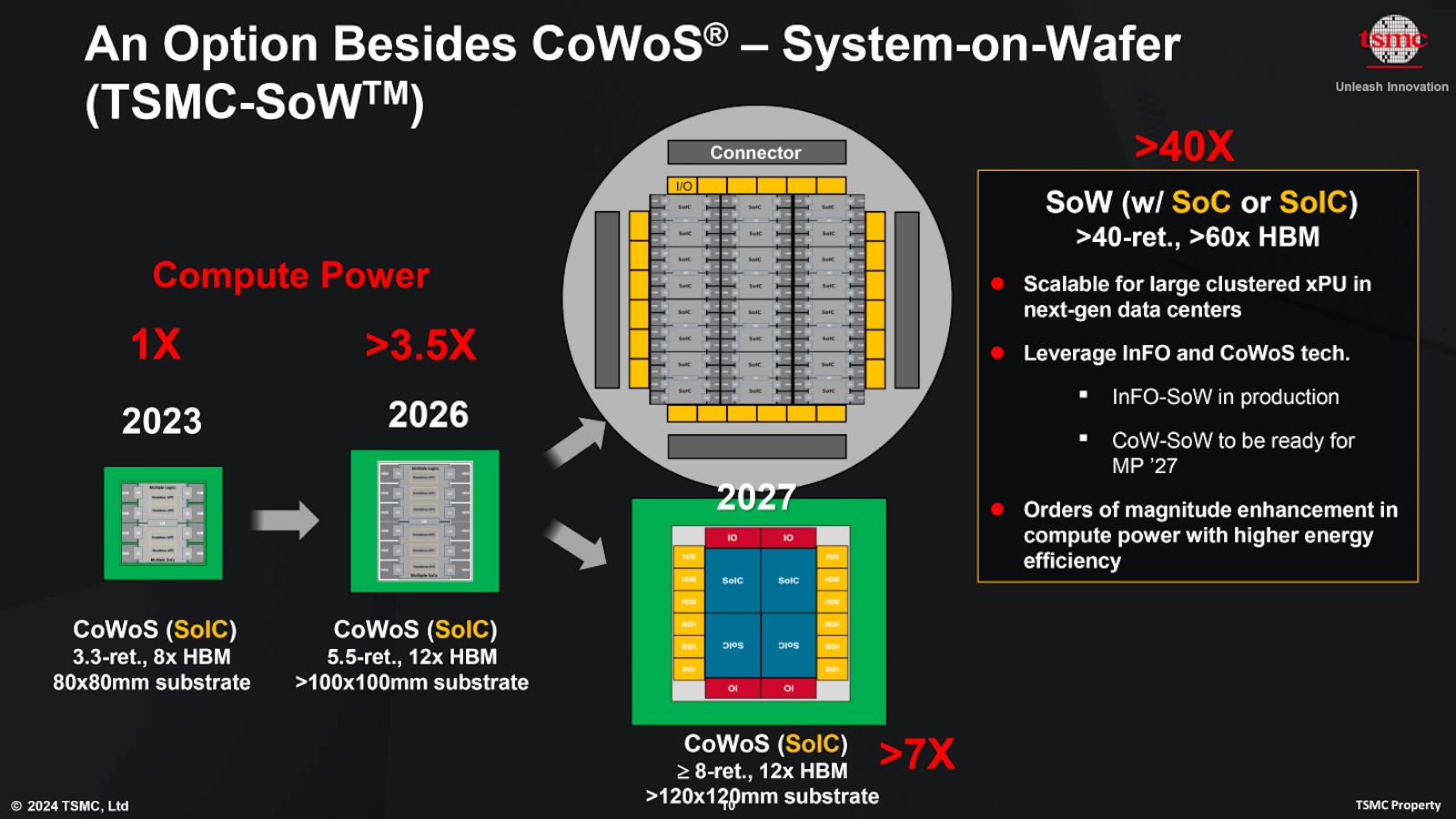
Recent supply chain reports confirm that TSMC is accelerating its advanced packaging expansion to meet sustained AI demand. The company aims to increase its CoWoS (Chip on Wafer on Substrate) capacity from approximately 130,000 wafer equivalents per month at the end of 2026 to roughly 260,000 wafers per month by the end of 2028. This doubling of capacity is critical as the current supply-demand gap remains significant, with analysts noting that even with rapid expansion, the shortage spills over to rival packaging providers like Intel, ASE, and Amkor.
August Revenue Hits Record NT$514.8 Billion
TSMC announced its August 2026 consolidated revenue reached NT$514.8 billion (approx. US$16 billion), marking a 10.1% increase month-over-month and a substantial 53.3% increase year-over-year. This is the first time TSMC’s single-month revenue has surpassed the NT$500 billion mark, extending a streak of four consecutive months of record highs. The performance underscores the relentless demand for AI-related chips and high-performance computing applications, which continue to drive the company’s growth despite broader market fluctuations.


Aggressive N3 and N2 Capacity Expansion Targets
Supply chain sources reveal TSMC’s newly disclosed expansion plans for its leading-edge nodes. For the N2 (2nm) process, capacity is targeted to increase from 90,000 wafers per month at the end of 2026 to 110,000 wafers per month by mid-2027, representing a 22% growth. Simultaneously, N3 (3nm) capacity is expected to grow from over 180,000 wafers per month at the end of 2026 to 210,000 wafers per month by mid-2027, an increase of over 16%. These ramps are essential to accommodate the next generation of AI accelerators and smartphone processors.
Arizona Fab Profitability and Global Expansion
Analysts highlight that TSMC’s Arizona Phase 1 fab has officially reached yield parity with its Taiwan facilities and has begun contributing to profits. This milestone validates the company’s global expansion strategy and strengthens its pricing power. Meanwhile, the company continues to build 25 facilities globally at five times its historical pace, though labor shortages and equipment demand remain bottlenecks. The Arizona site’s growing contribution is reshaping US chip economics, with the facility crossing 4% of group sales in recent quarters.
Local view
Local media outlets in Taiwan, including United Daily News (UDN) and Peoplenews, emphasize the "spillover effect" of TSMC’s capacity constraints. Reports indicate that because TSMC’s CoWoS expansion cannot keep pace with immediate demand, orders are shifting to non-TSMC packaging firms such as ASE, Amkor, and Intel. Peoplenews notes that TSMC is strategically outsourcing certain backend processes to partners to keep the overall AI chip production line running smoothly, acknowledging that even with aggressive internal expansion, the market still perceives a shortage.
Additionally, President Lai Ching-te recently highlighted the importance of TSMC and ASE’s investments in Japan (Kumamoto) as part of building a non-red supply chain, underscoring the geopolitical significance of these capacity expansions.
Context & numbers
- August 2026 Revenue: NT$514.8 billion (+53.3% YoY).
- CoWoS Capacity Trajectory: ~130k wpm (end of 2026) → ~260k wpm (end of 2028).
- N2 Capacity Target: 90k wpm (end of 2026) → 110k wpm (mid-2027).
- N3 Capacity Target: >180k wpm (end of 2026) → 210k wpm (mid-2027).
- Global Market Share: TSMC held 72.5% of the global foundry market in Q2 2026, a record high.
- South Korea Exports: Semiconductor exports hit 47% of total South Korean exports in early September 2026, reflecting the global AI hardware boom.
On the radar
- Intel's Packaging Ambitions: Reports suggest Intel’s bridge-based packaging could reach 45,000 wafer-equivalents in 2028, targeting custom AI chips from Google and Amazon as a direct alternative to TSMC’s constrained CoWoS supply.
- STCO Initiative: TSMC is promoting "System Technology Collaborative Optimization" (STCO), urging closer collaboration between chip designers, equipment makers, and packaging firms to accelerate AI chip development cycles.
- Labor Shortages: Despite building 25 facilities simultaneously, TSMC faces acute shortages of fab construction workers, which could impact the timeline for future capacity additions.
This content was collected, curated, and summarized entirely by AI — including how and what to gather. It may contain inaccuracies. Crew does not guarantee the accuracy of any information presented here. Always verify facts on your own before acting on them. Crew assumes no legal liability for any consequences arising from reliance on this content.
Powered by
