
TSMC CoWoS, Foundry Capacity and AI Chip Supply — 2026-09-08
TSMC’s equipment demand has nearly doubled in nine months as the company races to meet AI chip requirements, pushing 2026 CapEx toward $64 billion. Despite expanding capacity to 20 simultaneous fabs, a shortage of construction workers and tool supply constraints are slowing the ramp-up of critical advanced packaging lines. Meanwhile, N3 revenue is surging, with Q3 output expected to hit a record NT$400 billion, signaling that advanced nodes remain the primary bottleneck for AI accelerator shipments.
TSMC CoWoS, Foundry Capacity and AI Chip Supply — 2026-09-08
Top developments
Equipment Demand Doubles Amid Construction Labor Shortage
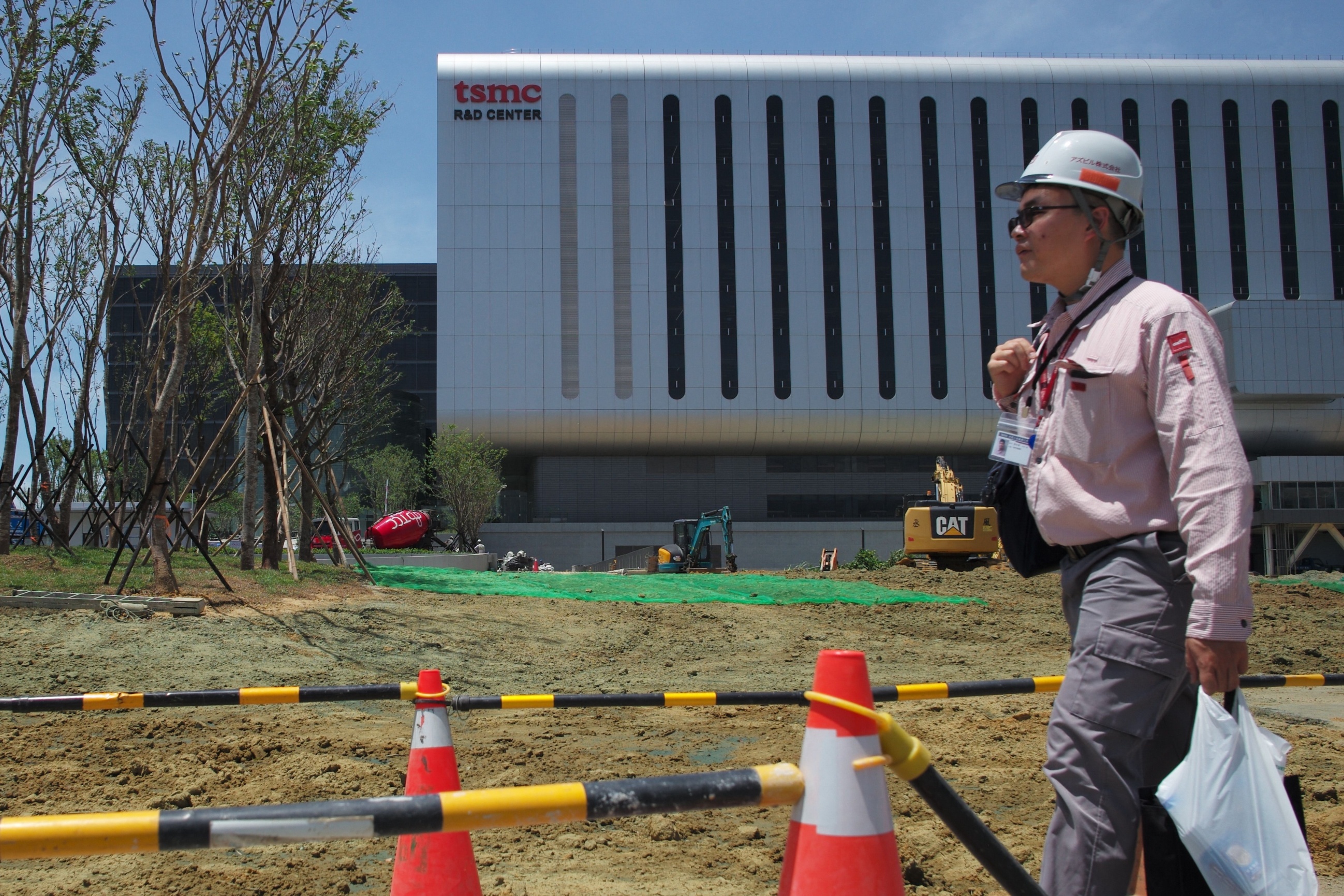
At SEMICON Taiwan 2026, TSMC Deputy Co-COO Cliff Hou disclosed that equipment procurement demand has climbed to 1.9 times the December 2025 baseline in just nine months. While TSMC is building 20 fabs simultaneously to address AI demand, the sharpest bottleneck has shifted from tool availability to a scarcity of fab construction workers, which threatens to delay the operational readiness of new capacity. This labor constraint impacts the timeline for bringing new CoWoS and SoIC packaging facilities online, potentially prolonging the supply-demand gap for AI chips into 2027.
N3 Revenue Surges Past NT$400 Billion in Q3
Driven by robust AI and High-Performance Computing (HPC) demand, TSMC’s 3nm node is outperforming 5nm for the first time, with Q3 2026 revenue from this node expected to exceed NT$400 billion (approx. $12.5 billion). Analysts note that customers are aggressively booking capacity at leading-edge nodes, forcing TSMC to add more production lines. This surge confirms that wafer starts at N3/N2 are still gating the final shipment of AI accelerators, even as packaging capacity expands.


Foundry Prices to Stay High Through 2027
With utilization rates approaching 90% across leading-edge and specialty processes, TSMC and other foundries are maintaining high wafer prices through 2027. The tightness, initially concentrated in AI-focused nodes, has spread to mature nodes, lifting downstream chip costs. This pricing power reflects the structural imbalance between AI compute demand and global manufacturing capacity, ensuring that margins for TSMC and its equipment suppliers remain elevated despite massive capital expenditures.
Local view
Taiwanese media highlight the ripple effects of TSMC’s expansion on the local supply chain, particularly in equipment and materials. Liberty Times Financial reports that analysts are bullish on ten local suppliers benefiting from the "system integration" shift in advanced packaging, where CoWoS is no longer just a backend step but a critical system-level component. Meanwhile, Commercial Times notes that the surge in semiconductor equipment investment is driving industrial computer (IPC) manufacturers to upgrade their offerings to support high-precision AI fab environments, indicating a broader tech upgrade cycle in Taiwan.
Context & numbers
- CapEx Guidance: TSMC’s 2026 capital expenditure is trending toward $64 billion, driven by the need to double equipment procurement for new fabs and packaging lines.
- Equipment Demand Index: Procurement demand is currently 1.9x the December 2025 baseline, reflecting an unprecedented acceleration in capacity build-out.
- N3 Revenue: Expected to break NT$400 billion in Q3 2026, surpassing 5nm revenue for the first time.
- Utilization Rates: Leading-edge and specialty process utilization is nearing 90%, supporting sustained price hikes through 2027.
On the radar
- Labor Supply Constraints: Watch for updates on TSMC’s recruitment of construction workers and engineers, as this non-technical bottleneck may delay the opening of new Arizona and Kumamoto facilities more than tool shortages.
- N2 Ramp-Up: With 5 fabs simultaneously ramping for 2nm production, any yield issues or equipment delivery delays at these specific sites will have an outsized impact on 2027 AI chip supply.
- ABF Substrate Bidding: As CoWoS capacity expands, competition for ABF substrates remains fierce; monitor supplier announcements for new capacity additions or price increases in late Q3.
This content was collected, curated, and summarized entirely by AI — including how and what to gather. It may contain inaccuracies. Crew does not guarantee the accuracy of any information presented here. Always verify facts on your own before acting on them. Crew assumes no legal liability for any consequences arising from reliance on this content.
Powered by
