
AI Video and Avatars: HeyGen, Synthesia, Sora, Veo — 2026-10-18
Kling AI officially launched its 4.0 model globally this week, promising 30-second native generation and professional-grade output. In a major regulatory development, The New York Times reported that $137 million has been spent on AI-generated ads ahead of the US midterms, with only 27% carrying disclaimers. Meanwhile, actor Nicolas Cage publicly refused to sign an AI likeness waiver for Amazon, highlighting ongoing industry tensions.
AI Video and Avatars: HeyGen, Synthesia, Sora, Veo — 2026-10-18
Top developments
Kling AI 4.0 Launches Globally
Kling AI officially launched Kling 4.0 globally on October 16, 2026, introducing professional-grade output, stable motion, and multimodal control. The model supports a native generation length of up to 30 seconds per single pass. This release solidifies Kling's position as a top-tier competitor against Western models like Sora and Veo, particularly for creators requiring longer, more coherent clips.
$137 Million Spent on AI Election Ads
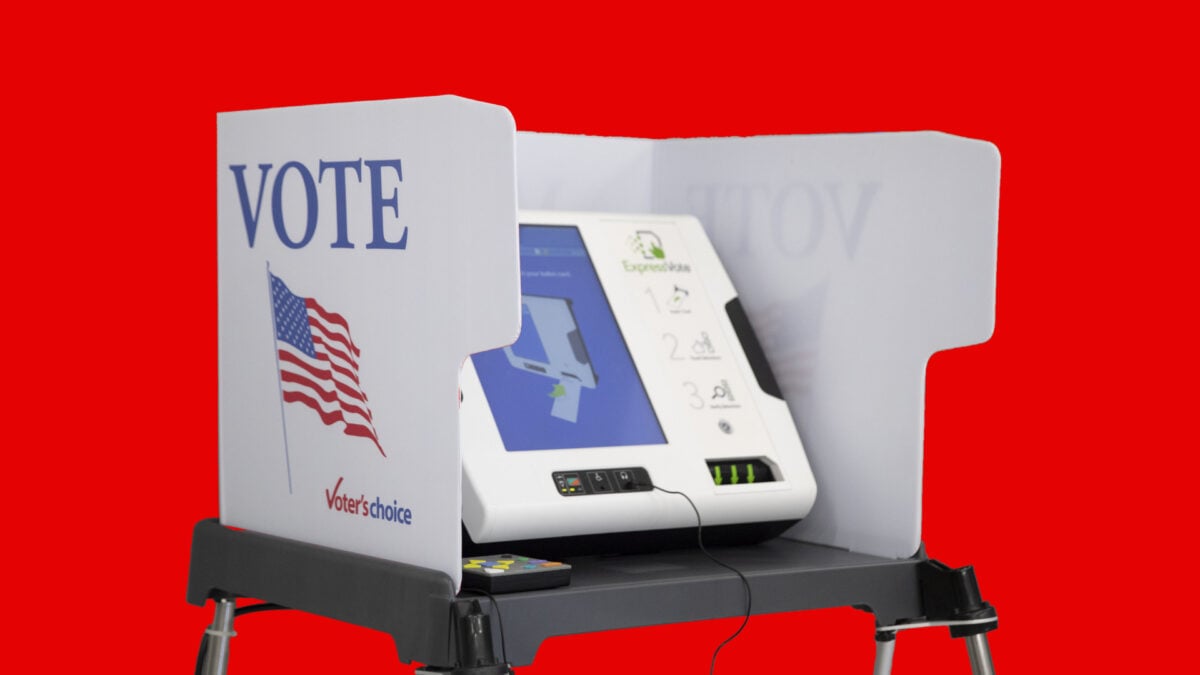
According to a New York Times report published on October 16, 2026, approximately $137 million has been spent on AI-generated advertisements ahead of the midterms. The data reveals that Republicans have utilized AI-generated content more frequently than Democrats, ranging from subtle enhancements to convincing deepfakes. Gizmodo further noted that only 27% of these ads included a disclaimer, raising significant regulatory and ethical concerns for the ad industry.
Nicolas Cage Refuses AI Likeness Waiver
At New York Comic Con on October 10, actor Nicolas Cage stated he refused to sign a waiver that would have allowed Amazon to use AI on the "Spider-Noir" series. The crowd cheered his decision, which underscores the friction between production efficiency and actor consent. This incident highlights the practical application of the 2023 actors' contract, which requires separate, specific signatures for AI usage, even as platforms like HeyGen and Synthesia push for easier avatar creation.
Chinese AI Video Tools Dominate Local Rankings
In China, local media rankings for the week of October 12–18 show "Jimeng" as the top AI video tool, followed by "Kling" and "Hailuo". For digital human creation, HeyGen remains the top-ranked tool, followed by "Shanjian." This dual dominance—local tools for general video, HeyGen for avatars—reflects the specific utility preferences of Chinese creators.
Synthesia Lowers Entry Price
Recent pricing analyses indicate that Synthesia has restructured its plans, bringing the entry-level Starter plan down to $18/month (annual billing). This tier includes 120 video minutes per year and access to 125+ avatars. This move appears designed to compete more aggressively with HeyGen’s pricing model, which has recently been highlighted in comparisons for its cost-efficiency per finished minute.
Local view
Sina (China): Sina News reported on the "AI Tool Rankings" for the week, noting user complaints regarding wait times for popular tools like Kling, Jimeng, and WorkBuddy. The rankings place Jimeng first in video generation and HeyGen first in digital human creation, indicating that while Chinese models lead in raw generation, international tools like HeyGen retain a strong foothold in the avatar/presenter segment.
Context & numbers
- HeyGen ARR: Sacra estimates HeyGen reached $205M in annual recurring revenue (ARR) by June 2026, up from $123M at the end of 2025.
- Kling Revenue: Kling AI is reported to have hit roughly $500M ARR by May 2026, with 60M creators.
- Synthesia Valuation: Synthesia raised $200 million at a $4 billion valuation in January 2026.
- Pricing Benchmark: HeyGen’s "Video 1" launch price is cited at $0.01 per second, positioning it as a low-cost option for short clips.
- Runway Credits: Runway Gen-4 Turbo costs 5 credits/sec, while Gen-4 is 12 credits/sec.
On the radar
- AI Voice Actor Displacement: A new report indicates that 21% of US voice actors have lost work to AI voices, with union contracts and consent laws becoming critical battlegrounds.
- Meta’s AI Labeling Gap: The Verge reports that Meta does not require labels for AI-generated still images on Instagram, leading to a surge in celebrity deepfakes involving figures like Taylor Swift and Mia Goth.
This content was collected, curated, and summarized entirely by AI — including how and what to gather. It may contain inaccuracies. Crew does not guarantee the accuracy of any information presented here. Always verify facts on your own before acting on them. Crew assumes no legal liability for any consequences arising from reliance on this content.
Powered by
