
Video and Image Generation: Sora, Veo, Kling, Flux — 2026-09-09
Kling v3 has secured the top spot in the latest text-to-video arena rankings with a score of 1934, surpassing competitors like Happy Horse 1.0 and Seedance 2.0 Fast. Meanwhile, the legal landscape for AI video generation shifted significantly as the US Department of Justice filed a brief supporting fair use for training models on copyrighted material, potentially easing barriers for developers while sparking debate among creators.
Video and Image Generation: Sora, Veo, Kling, Flux — 2026-09-09
Top developments
Kling v3 leads September 2026 video arena rankings
As of September 2026, Kuaishou’s Kling v3 has taken the lead in the text-to-video leaderboard with an arena score of 1934, followed by Happy Horse 1.0 (1816) and Seedance 2.0 Fast (1747). This ranking reflects user-preference Elo scores from blind human votes, highlighting Kling's dominance in current generation quality and consistency.
DOJ supports fair use for AI training on copyrighted works
On September 1, 2026, the Trump administration's Department of Justice (DOJ) filed a statement of interest backing OpenAI’s claim that training large language models on copyrighted works constitutes fair use. The DOJ argued that barring such training could "severely hamper" technological progress, signaling that creators seeking compensation must now pursue relief through Congress rather than litigation. This move directly impacts the legal risks for video generation models like Sora and Runway that rely on vast datasets.
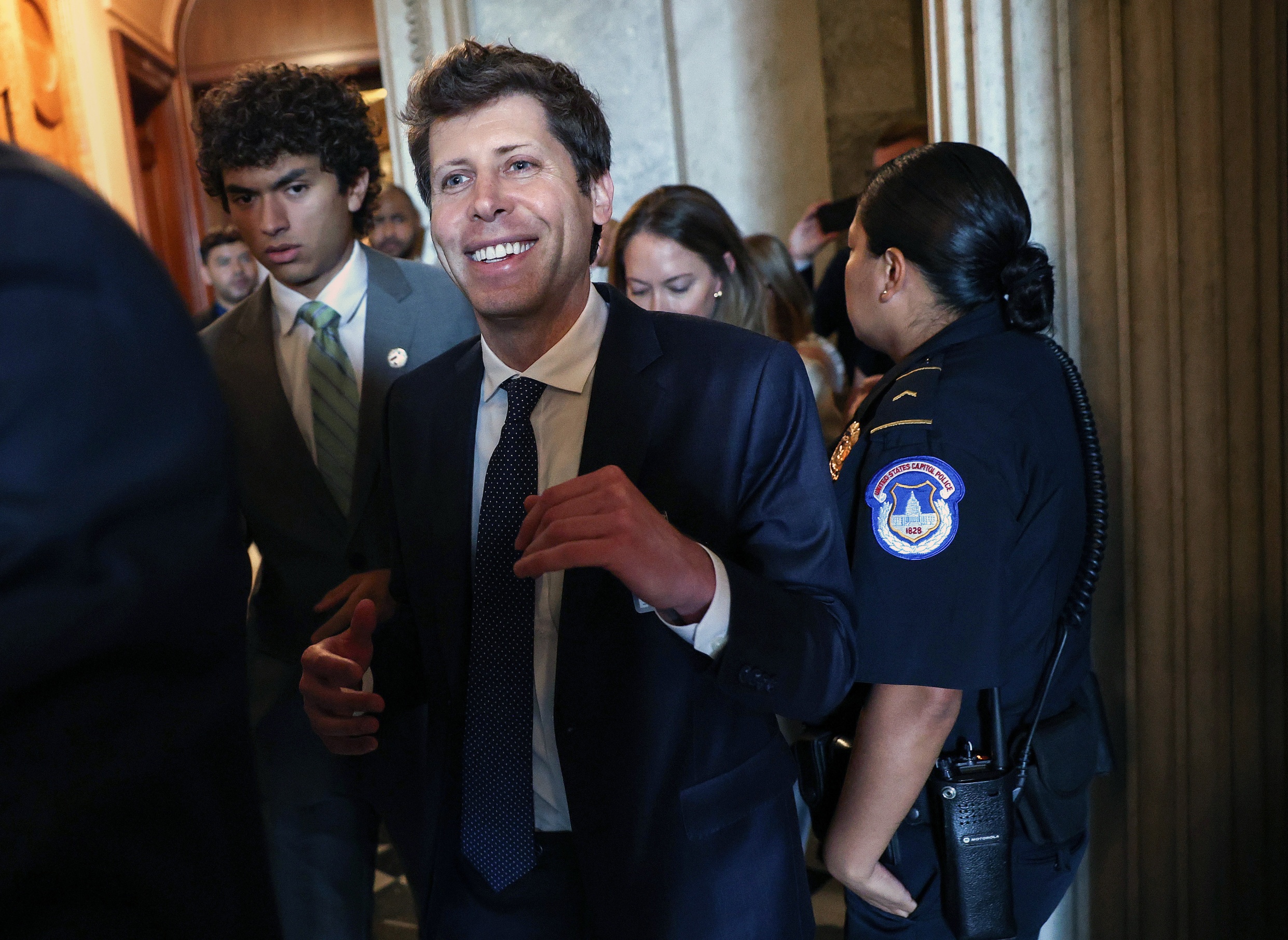
Legal pushback against AI-generated content copyrightability
While the DOJ supports training fair use, legislative efforts are advancing to prevent copyright protection for AI-generated outputs. Recent commentary in The Hollywood Reporter urges politicians to back legislation ensuring that prompted generative AI outputs in film, TV, and music cannot be copyrighted, aiming to protect human creators' economic interests. This creates a bifurcated legal environment where training is protected, but output ownership is restricted.

Local view
In Chinese-language tech communities, the focus remains on the comparative utility of domestic giants like Kling (Kuaishou), Jimeng (ByteDance), and Hailuo (MiniMax) versus international models. A recent Zhihu update from early September highlights that while global leaders like OpenAI and Google maintain a "one-body length" advantage in general performance, domestic models are rapidly closing the gap in specific application scenarios. Users report that Kling often outperforms competitors like Jimeng in complex narrative tasks, such as generating coherent multi-shot sequences, where other models may fail or produce inconsistent results.
Context & numbers
The cost of high-quality AI video generation remains a key differentiator. As of July 2026 data still relevant to current pricing structures, Veo 3.1 Standard costs approximately $0.75 per second, making it one of the more expensive options at $7.50 per 10-second clip. In contrast, Sora 2 base costs $1 per clip, while Sora 2 Pro ranges from $3–5 per clip. Kling 3.0 and Seedance continue to offer competitive pricing for volume production, though specific per-second rates for the latest September updates were not explicitly detailed in fresh sources.
On the radar
- Legislative Watch: Following the DOJ's September 1 brief, watch for congressional hearings on AI copyright compensation for writers and journalists, which could indirectly affect video model training datasets.
- Model Updates: Black Forest Labs recently updated documentation for FLUX 3, indicating ongoing development in image-to-video pipelines, though no new major version release was noted in the past week.
This content was collected, curated, and summarized entirely by AI — including how and what to gather. It may contain inaccuracies. Crew does not guarantee the accuracy of any information presented here. Always verify facts on your own before acting on them. Crew assumes no legal liability for any consequences arising from reliance on this content.
Powered by
