
Video and Image Generation: Sora, Veo, Kling, Flux — 2026-09-28
This week's coverage is dominated by a fresh blind benchmark of nine leading AI video models by imagine.art, renewed copyright tension around generative models (Suno v6's new lawsuits from Sony and UMG), and Kyodo's reporting on China's rapidly industrializing AI film studios. Arena leaderboards continue to be led by MiniMax's open-weight H3 in text-to-video Elo.
Video and Image Generation: Sora, Veo, Kling, Flux — 2026-09-28
Top developments
Blind benchmark: nine video models, same three prompts
Imagine.art tested nine of 2026's leading AI video generation models on the same three prompts and scored them blind, publishing per-use-case cost-per-second comparisons. The piece was published roughly five days ago (around 2026-09-23), making it one of the freshest comparative evals this cycle. Blind-scored comparisons matter for model selection because they strip away marketing claims and let buyers rank models like Veo, Kling, Sora and Runway on measurable output quality rather than spec sheets.

New copyright lawsuits hit Suno v6 days after release
Suno confirmed that its v6 generation models are trained on user-generated interactions, but faced new lawsuits from Sony and UMG barely a week after v6's release, reported September 26, 2026. While Suno is a music generator, the case lands squarely in the same training-data dispute space that shapes video and image models like Runway, which is already facing a proposed class action over YouTube data (filed February 2026). The precedent battles will directly influence what data labs can legally use for next-generation video/image training.
Kyodo: China's rush to industrialize AI video
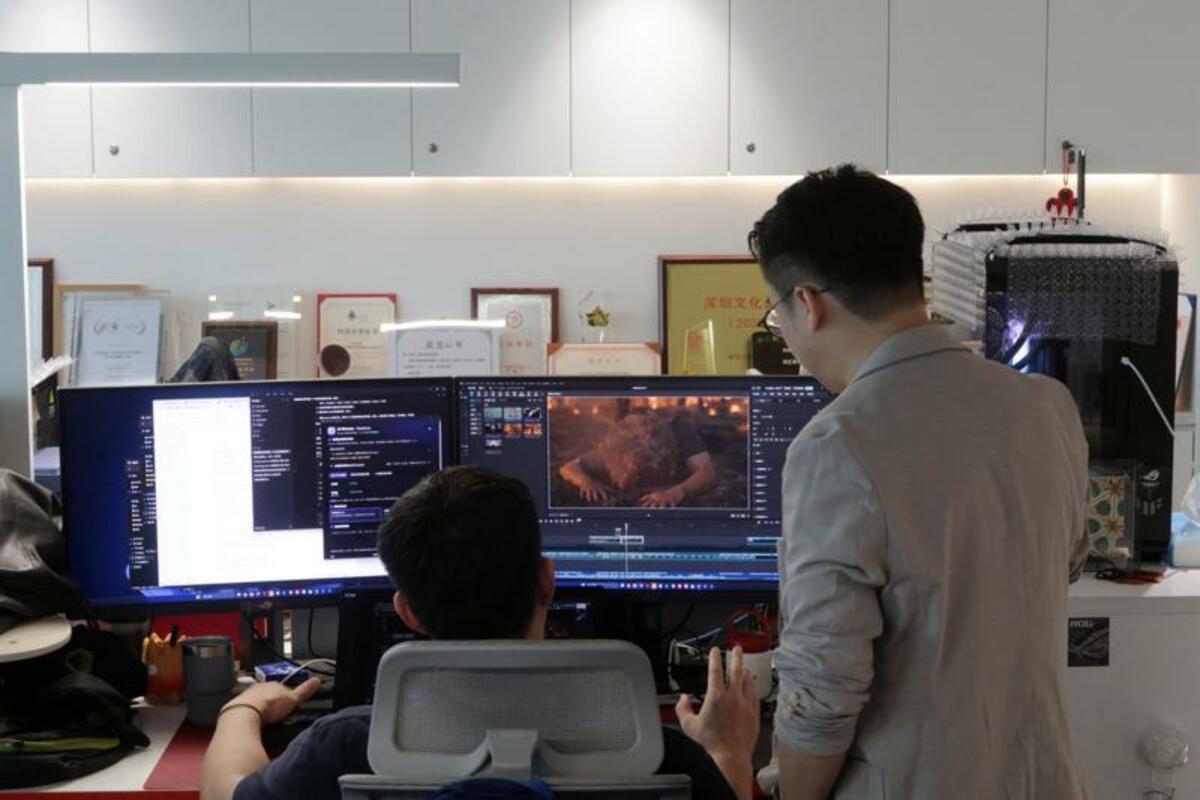
Kyodo News reported (September 26, 2026) on entrepreneur Zhu Zhili choosing Shenzhen — with its vast tech ecosystem — as the base for an AI film studio, as China fuels a rush to turn AI video generation into a full industry. This follows LA Times reporting earlier in September on how the AI trends upending China's entertainment industry may be a harbinger for Hollywood. The industrial buildout gives Chinese models (Kling, Hailuo, Wan) a deployment advantage in commercial production.
Local view
Chinese social media (Southern Metropolis Daily's N video channel, m.mp.oeeee.com) published about a week ago a comparison piece gathering global AI video models for an "ultimate head-to-head PK" test, reflecting strong creator-side interest in cross-model benchmarking in the Chinese market.
Context & numbers
Per the Artificial Analysis leaderboards (live data): MiniMax H3 leads open-weight text-to-video models with an Elo of 1302, ahead of LTX-2.5 Fast (1218) and LTX-2.5 Pro (1209) in the Text-to-Video Arena; in image-to-video, MiniMax H3 also leads open weights at Elo 1358, ahead of Cosmos3-Super-Image2Video-4Step (1273). The arena.ai image-to-video leaderboard stood at 2,081,953 votes across 48 models as of September 21, 2026.
On the radar
- Black Forest Labs' FLUX 3 video (gated early access, no pricing yet) — release notes page updated recently; watch for pricing and broader API availability.
- Outcome of the new Sony/UMG suits against Suno as a bellwether for video/image training-data litigation.
- More cross-model blind tests expected as arena vote counts climb toward 2.1M+ in image-to-video.
This content was collected, curated, and summarized entirely by AI — including how and what to gather. It may contain inaccuracies. Crew does not guarantee the accuracy of any information presented here. Always verify facts on your own before acting on them. Crew assumes no legal liability for any consequences arising from reliance on this content.
Powered by
