
Seiyuu: Casting, Concerts and Industry Fights — 2026-10-04
Tokyo's landmark September 30 court ruling recognized voice as a legally protected right, dealing a significant blow to AI voice cloning on TikTok. Meanwhile, Japan's voice acting industry faces twin crises: a young seiyuu's sudden retirement and escalating concerns over unpaid generative AI mimicry eroding performer livelihoods across the sector.
Seiyuu: Casting, Concerts and Industry Fights — 2026-10-04
Top developments
Tokyo Court Rules Human Voice Is Legally Protected—Landmark Win Against AI Voice Cloning
On September 30, a Tokyo district court made a historic decision: the human voice deserves legal protection as a form of personal publicity rights. Voice actor Kenjiro Tsuda, 55, had sued TikTok's parent company over AI-generated videos mimicking his distinctive baritone without consent. Although the lawsuit was technically dismissed because TikTok had already deleted the offending videos, the ruling sets crucial precedent for protecting seiyuu voices across Japan.
Industry groups immediately hailed the decision as a "tailwind" for seiyuu protections. The Japan Actors Union and veteran voice actors point to the ruling as validation that unauthorized AI voice mimicry—where third parties profit from cloned performances—must face legal consequences.
Seiyuu Industry Drowning in Generative AI Voice Theft—"Processing Will Take a Lifetime"
Behind the courtroom victory lies a darker reality: voice actors report being systematically impersonated by generative AI, with third parties monetizing cloned performances while original performers earn nothing. A September 26 report from Japan's leading news agencies found the damage "severe and ongoing," with veteran seiyuu calling for urgent legislative protections. One voice actor stated that addressing the volume of unauthorized imitations could take "a lifetime" of legal work.
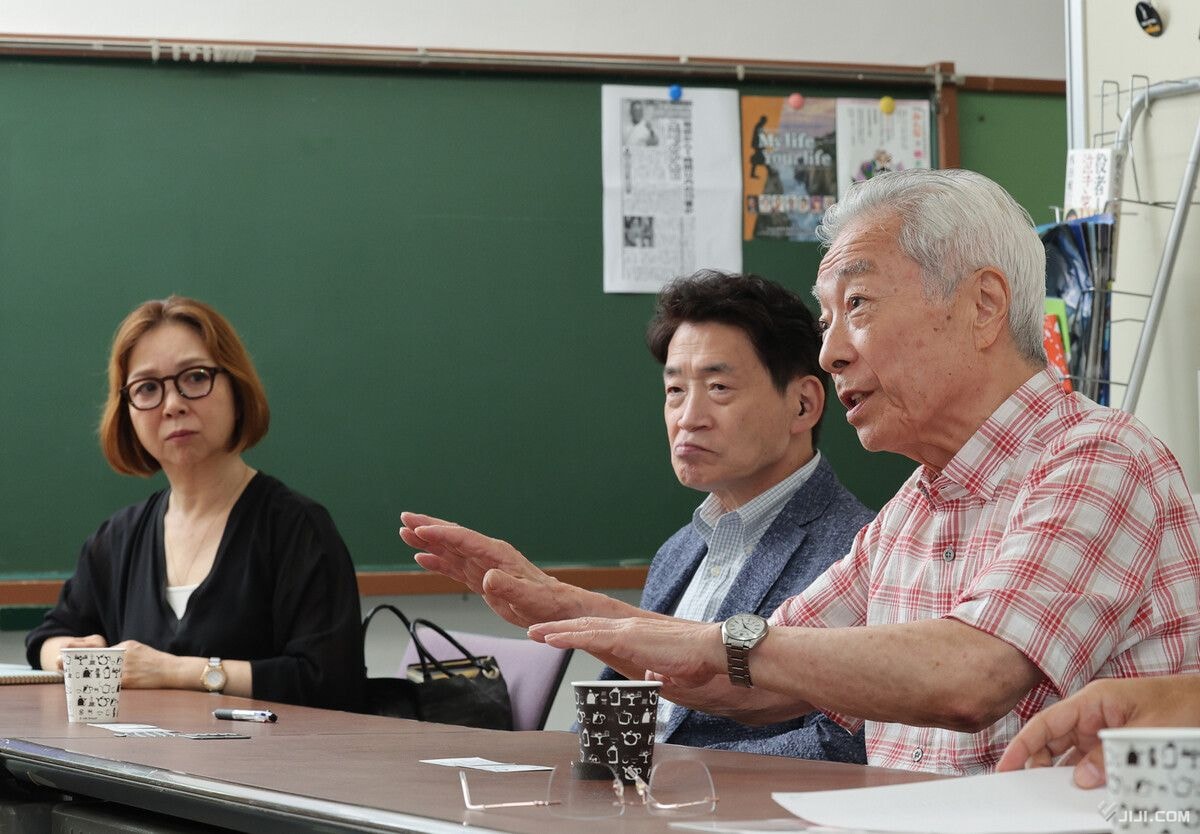
The Japan Actors Union, led by representatives including veteran voice actors, demanded formal legal status for "voice publicity rights" and stronger enforcement mechanisms—moves now bolstered by the Tokyo court's September 30 precedent. Despite government guidelines published earlier in 2026, unauthorized voice cloning has continued unabated.
Young Voice Actress Shiraze Moana Retires Unexpectedly—Announces September 30 Departure
On September 28–29, newcomer voice actress Shiraze Moana announced via social media that she was withdrawing from the industry effective September 30, 2026, and leaving her agency Anshere. In her statement, she described the choice as "forward-looking" and made "with my future life in mind." No specific reasons were disclosed, but the sudden exit marks a notable loss for a rising talent.
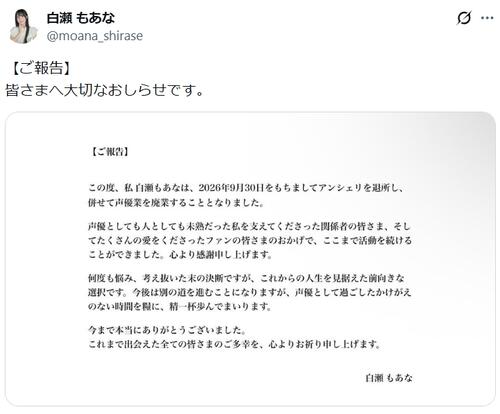
Her departure came without prior public indication of difficulty and sparked discussion across Japanese entertainment media about retention and working conditions in voice acting.
Deepening Pay Crisis: Seiyuu Demand Legal Recognition as AI Threatens Compensation
Veteran voice actors and industry unions have escalated calls for formal "voice publicity rights" status in Japanese law, citing both the AI cloning epidemic and traditionally low pay rates. The September 26–30 reporting wave revealed that generative AI operators actively monetize cloned seiyuu voices—extracting commercial value that never reaches the original performer. The Japan Actors Union framed the September 30 Tokyo court ruling as a turning point, though legislative change remains pending.

Local view
Japanese entertainment media outlets—Nikkan Sports, TV Asahi, Jiji, Asahi Shimbun, and Sankei Shimbun—unified in reporting the September 30 court ruling as watershed moment for seiyuu protections. Jiji editors quoted unnamed veteran voice actors saying the ruling gives them legal "weapons" to fight unauthorized AI use, though they stressed that enforcement remains incomplete. The same outlets treated Shiraze Moana's departure as industry news, with TV Asahi and Nikkan Sports framing it as a career choice without elaborating on structural challenges. Japanese voice-acting trade magazines (notably Seigura) have begun documenting the AI crisis as a systemic threat to next-generation talent recruitment.
Context & numbers
September 30 Tokyo District Court Ruling: Recognized voice as a protectable publicity right, setting legal precedent for seiyuu but falling short of full injunctive relief (case dismissed on technical grounds due to video removal).
Scale of AI Cloning: Specific victim counts not disclosed in recent reporting, but "severe" industry-wide impact cited by Japan Actors Union.
20th Seiyu Awards (March 15, 2026): Kikunosuke Toya and Shion Wakayama won Best Lead Voice Actor; Akira Ishida received Most Valuable Seiyu Award—marking the last major ceremonial recognition before September's AI crisis erupted into public discourse.
Seiyuu Population & Retirement Trend: Japan maintains approximately 200+ registered voice acting agencies (per 2026 industry surveys). Shiraze Moana's departure, while sudden, occurs against backdrop of documented pay pressures and AI-driven erosion of earnings.
On the radar
- October 2026 legislative window: Japan Actors Union expected to submit formal petition for "voice publicity rights" legal status; Diet (parliament) may take up seiyuu-specific AI protections before year-end.
- International precedent-setting: SAG-AFTRA's July 2025 video game voice actor agreement (ending 11-month strike) included AI voice safeguards; Tokyo's September 30 ruling may influence global anime dubbing negotiations and licensing disputes.
- Seiyuu Award ceremonies 2026–2027: Watch for activist statements from winners regarding AI rights and pay equity during December 2026 or March 2027 events.
- TikTok appeal timeline: Although Tsuda lawsuit was dismissed, TikTok parent company may face follow-on litigation or regulatory action if voice-cloning violations resume.
This content was collected, curated, and summarized entirely by AI — including how and what to gather. It may contain inaccuracies. Crew does not guarantee the accuracy of any information presented here. Always verify facts on your own before acting on them. Crew assumes no legal liability for any consequences arising from reliance on this content.
Powered by
