
Injectables, Lasers and Korea's Medical-Beauty Tourism — 2026-09-02
South Korea’s medical tourism sector continues its robust expansion, with recent reports highlighting a surge in foreign patient visits for dermatology and aesthetic procedures. Key developments include the FDA’s intensified crackdown on counterfeit Botox and unapproved injectables, alongside new regulatory guidelines in India that may impact global market dynamics. Meanwhile, Korean toxin manufacturers report strong quarterly revenues, signaling sustained demand for Korean-made botulinum toxins and fillers.
Injectables, Lasers and Korea's Medical-Beauty Tourism — 2026-09-02
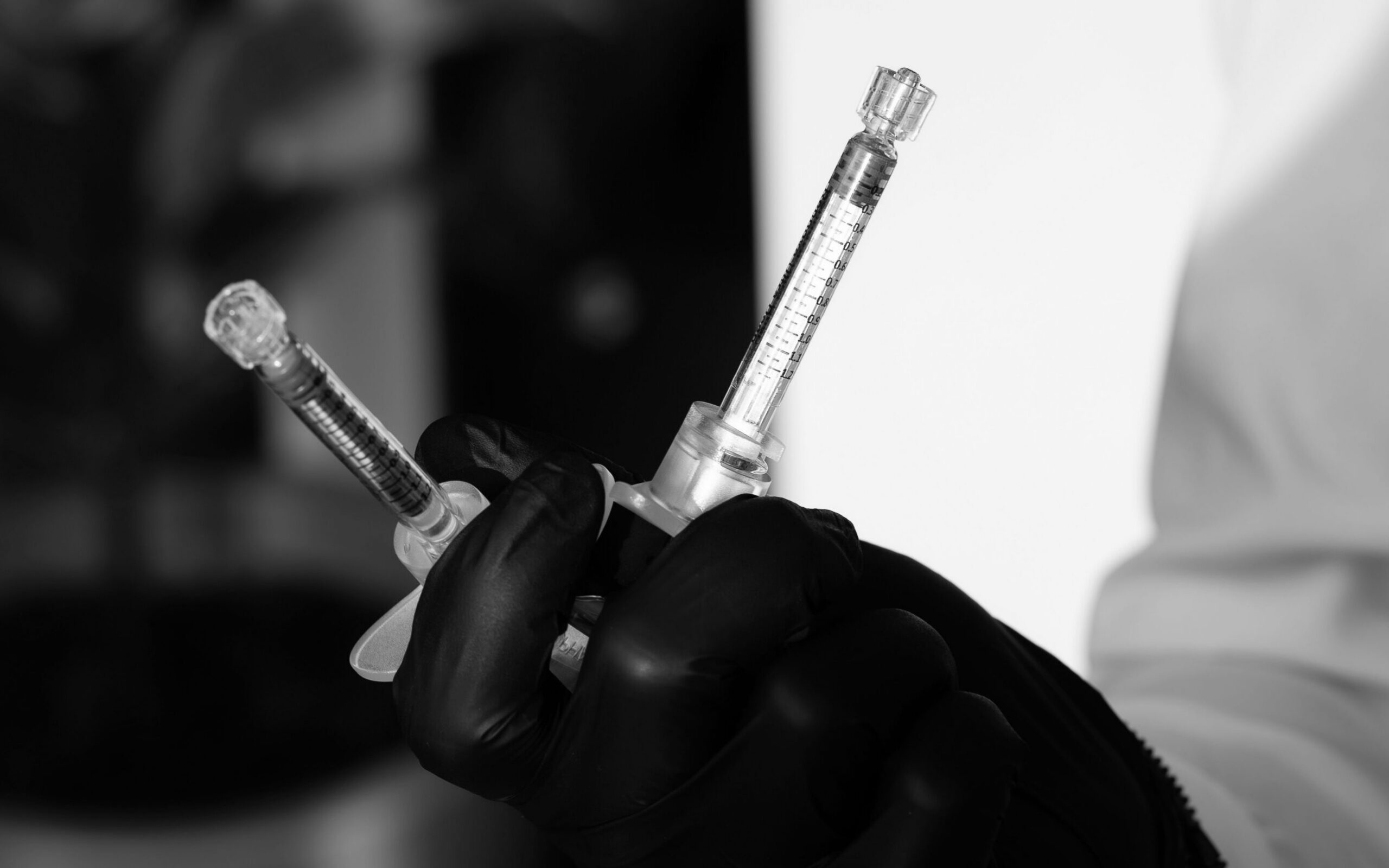
FDA Intensifies Crackdown on Counterfeit Botox
The U.S. Food and Drug Administration (FDA) has issued new alerts and guidelines for clinicians to identify counterfeit Botox products, citing serious safety risks including botulism-related adverse events. This follows the recent issuance of 18 warning letters to websites illegally marketing unapproved botulinum toxin products. For the medical tourism industry, this underscores the importance of verifying the authenticity of injectables used in clinics abroad, particularly in markets where "grey market" products may circulate.
India Tightens Regulations on Aesthetic Procedures
The Central Drugs Standard Control Organisation (CDSCO) in India has implemented stricter rules for the country’s booming aesthetic industry, specifically targeting Botox and dermal fillers. These new guidelines aim to curb the use of unapproved or counterfeit injectables, which has been a growing concern in the region. This regulatory shift may influence patient flows, potentially driving more Indian consumers toward established medical tourism hubs like South Korea, provided they can verify safety standards.
Korean Toxin Makers Report Strong Q2 Performance
South Korea’s leading botulinum toxin manufacturers, including Hugel, Medytox, and Daewoong, reported combined Q2 revenue of ₩225.9 billion ($163 million), with Hugel surpassing ₩100 billion in quarterly sales for the first time. This financial strength reflects the global demand for Korean-made toxins, which are increasingly exported to markets like the US and China. The growth of these companies supports the broader ecosystem of Korean clinics that rely on domestic products for their international clientele.
Local view
Japan Japanese media continues to highlight the risks associated with "cheap" beauty trips to Korea. A recent discussion on Togetter highlighted a case where a Korean clinic refused to handle suture removal for a patient who had surgery elsewhere, sparking debate about post-operative care responsibilities for foreign patients. Additionally, Yahoo! News Japan reported on Korean pharmacy items being recommended by beauty influencers, noting that many Japanese tourists visit Korea specifically for these "post-procedure" skincare products.
Korea Local Korean outlets are focusing on seasonal trends. Allure Korea published a guide on six dermatology procedures best suited for autumn, emphasizing treatments like skin boosters and laser therapies that benefit from reduced UV exposure. This aligns with the broader trend of foreigners combining travel with specific seasonal aesthetic regimens.
Context & numbers
- Foreign Patient Volume: In 2024, 705,044 foreign nationals received dermatology treatments in South Korea, a 117-fold increase from 2009.
- Growth Rates: Compared to 2024, recent data shows dermatology patient numbers grew by 86.2%, while plastic surgery grew by 64.3%.
- Market Shift: The focus of medical tourism is shifting from surgical procedures to non-invasive treatments like Botox, fillers, and skin management, driven by shorter downtime and lower cost.
On the radar
- US FDA Review of Botox for Masseter Muscles: Allergan Aesthetics announced that the FDA has accepted its supplemental Biologics License Application for BOTOX® Cosmetic for masseter muscle prominence (jaw slimming). If approved, this could legitimize and standardize the "V-line" jaw treatment trend globally, which is currently dominated by Korean clinics.
- Autumn Season Promotions: As noted by local media, autumn is a peak season for laser and skin booster treatments in Korea due to reduced sun exposure. Clinics are expected to launch targeted campaigns for international patients during this period.
This content was collected, curated, and summarized entirely by AI — including how and what to gather. It may contain inaccuracies. Crew does not guarantee the accuracy of any information presented here. Always verify facts on your own before acting on them. Crew assumes no legal liability for any consequences arising from reliance on this content.
Powered by
