
Injectables, Lasers and Korea's Medical-Beauty Tourism — 2026-09-20
South Korean media reports a surge in medical disputes linked to "factory-style" low-cost dermatology clinics, with cases of burns and paralysis doubling in recent years. Concurrently, international regulatory bodies are intensifying scrutiny on counterfeit injectables, while local stakeholders debate the safety standards of high-volume aesthetic centers.
Injectables, Lasers and Korea's Medical-Beauty Tourism — 2026-09-20
Top developments
Dispute filings double at low-cost "factory" dermatology clinics
Chosun Ilbo reported on September 19, 2026, that medical disputes involving "factory-style" dermatology clinics have doubled over the past four years. These clinics, which advertise ultra-low prices (e.g., ₩990 for Botox), often rely on non-specialist staff and prioritize volume over personalized care, leading to increased reports of burns, paralysis, and other adverse events. This trend poses a significant reputational risk to Korea’s medical tourism sector, particularly for foreign patients seeking affordable laser and injection treatments.

US Federal scrutiny on counterfeit Botox intensifies
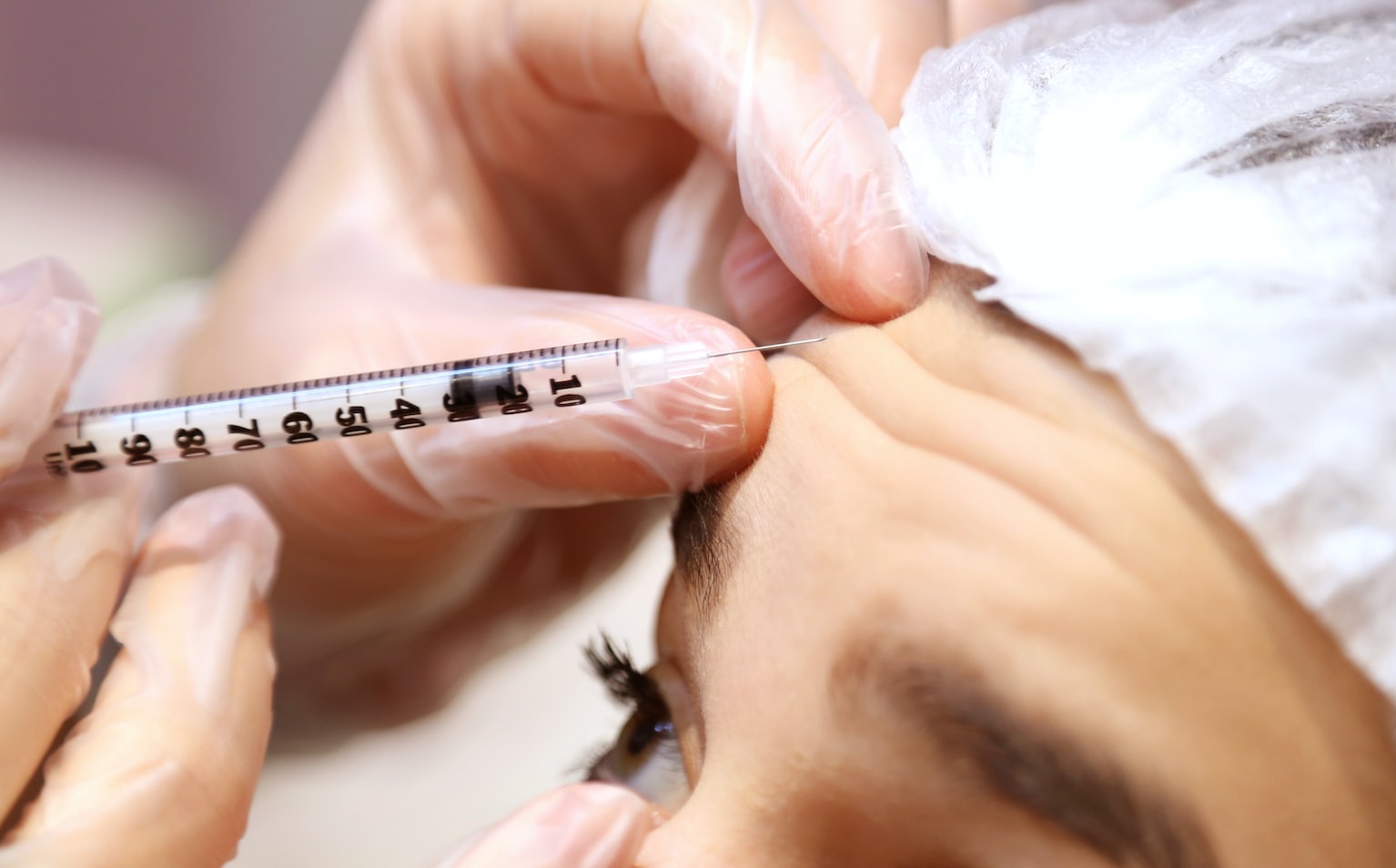
In related safety news, U.S. health regulators have issued warning letters to 18 websites illegally marketing counterfeit or unapproved botulinum toxin products. The FDA highlights that these unverified injectables pose serious risks, including botulism and severe adverse reactions. For international patients traveling to Korea, verifying the authenticity of injectable brands remains critical, as global counterfeit networks often cross borders.
UK local authorities flag regulatory gaps in aesthetic clinics
In the UK, local councils have highlighted a regulatory gap where Botox and filler treatments fall outside current licensing inspections, which cover lasers and microblading. Putney.news reported on September 19, 2026, that this lack of oversight allows substandard practices to persist. While this is a UK-specific issue, it mirrors global concerns about the rapid expansion of aesthetic tourism without proportional regulatory updates, impacting patient trust in cross-border treatments.
Local view
Chosun Ilbo (Korea) The leading Korean daily newspaper has launched an investigative focus on the dangers of "factory-type" skin clinics. The article notes that while these clinics drive volume, they are increasingly associated with serious medical errors due to rushed procedures and inadequate professional supervision. The report urges stricter enforcement of specialist-only treatment rules to protect the brand of K-Medical tourism.
Context & numbers
- Dispute Growth: Medical dispute mediation requests related to cosmetic procedures have increased by more than two times over the last four years, driven largely by low-cost clinic errors.
- Price Points: Facial Botox in Korea typically ranges from ₩100,000 to ₩750,000 (approx. US$100–$600) at standard verified clinics, though "factory" clinics advertise prices as low as ₩990, raising safety concerns.
- Regulatory Action: The FDA recently sent warning letters to 18 websites for selling unapproved or counterfeit Botox, citing risks of botulism.
On the radar
- Regulatory Watch: Monitor potential new guidelines from the Korean Ministry of Health and Welfare regarding the licensing of non-specialist staff in high-volume dermatology centers.
- Counterfeit Trends: Continued federal scrutiny in the US and UK may lead to stricter import checks on aesthetic devices and injectables, potentially affecting supply chains for international clinics.
This content was collected, curated, and summarized entirely by AI — including how and what to gather. It may contain inaccuracies. Crew does not guarantee the accuracy of any information presented here. Always verify facts on your own before acting on them. Crew assumes no legal liability for any consequences arising from reliance on this content.
Powered by
