
Injectables, Lasers and Korea's Medical-Beauty Tourism — 2026-09-16
South Korea’s medical tourism sector continues its record-breaking expansion, with foreign patient consumption in the first half of 2026 approaching ₩1 trillion, driven heavily by dermatology and non-surgical aesthetics. Recent safety alerts from the FDA regarding counterfeit Botox and unapproved injectables have intensified scrutiny on global supply chains, while Korean manufacturers like Hugel and Medytox report strong financial growth amid expanding international approvals.
Injectables, Lasers and Korea's Medical-Beauty Tourism — 2026-09-16
Top developments
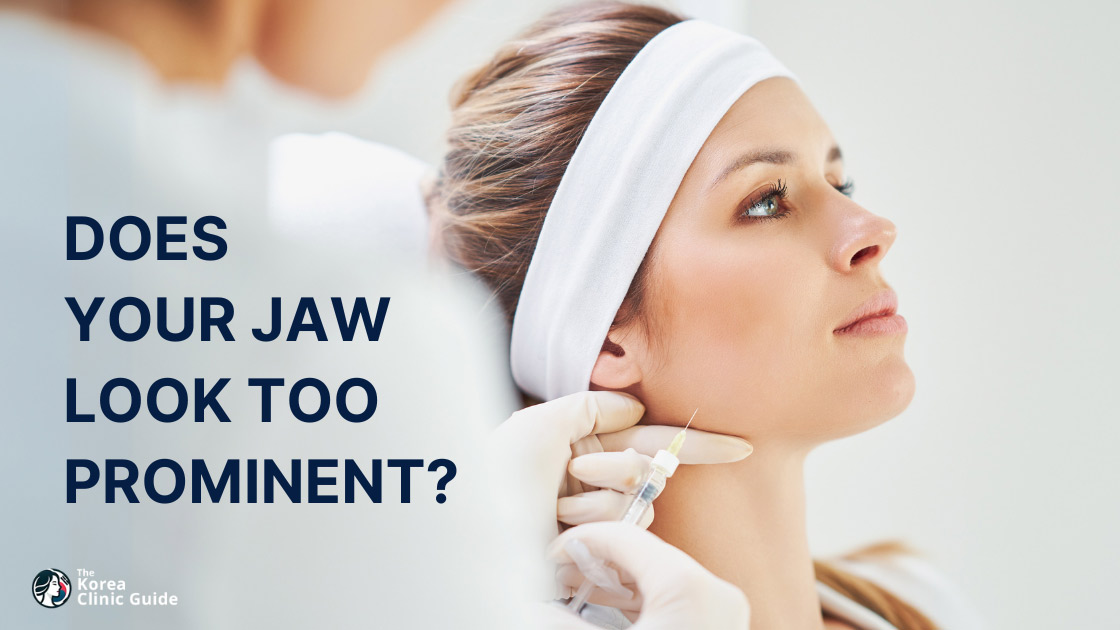
Busan and Seoul Medical Tourism Boom Reaches Record Heights
Recent reports highlight that Busan is emerging as a secondary hub for medical tourism, contributing to a national surge where foreign visitor numbers for K-beauty treatments are driving local economies. The broader trend shows a shift from surgical procedures to non-invasive dermatology, with "Bo-Pil-Re" (Botox, Filler, Laser) becoming the dominant consumer choice for foreign tourists. This shift aligns with data indicating that dermatology has seen an 86.2% year-on-year growth rate in foreign patients compared to other specialties.

Korean Toxin Makers Report Strong Q2 Financials
In August 2026 disclosures, South Korea’s top three botulinum toxin manufacturers reported a combined Q2 revenue of ₩225.9 billion. Daewoong Pharmaceutical’s Nabota surpassed ₩100 billion in quarterly sales for the first time, while Hugel and Medytox recorded significant year-on-year increases of 37.2% and 8.5%, respectively. These figures underscore the robust global demand for Korean aesthetic medicine products, with Nabota and Jeuveau (Daewoong) maintaining FDA approval status in the US market.
FDA Intensifies Crackdown on Counterfeit Injectables
The US Food and Drug Administration (FDA) has issued new alerts and warning letters to websites illegally marketing unapproved Botox and counterfeit fillers. This regulatory push highlights serious safety risks, including botulism-related adverse events from unknown ingredients in illicit products. For the Korean medical tourism industry, this reinforces the importance of verifying product authenticity and clinic accreditation, especially for international patients seeking lower-cost treatments abroad.
Local view
Local Korean media outlets such as Global Economic News are raising concerns about the expansion of skin beauty procedures into non-specialized clinics, such as those run by traditional Korean medicine practitioners. Reports indicate that as energy-based devices like Ulthera and Shurink are used more widely outside specialized dermatology centers, incidents of burns, blisters, and scarring are increasing. Stakeholders are calling for stricter post-procedure response protocols and clearer regulations on who can administer high-energy aesthetic treatments.
Context & numbers
- Foreign Patient Consumption: In the first half of 2026, foreign visitors' medical spending in Korea reached nearly ₩1 trillion, marking a historic peak.
- Dermatology Growth: Dermatology saw an 86.2% increase in foreign patients compared to the previous year, outpacing dentistry (79.0%) and plastic surgery (64.3%).
- Long-term Trends: Foreign dermatology patients in Korea have increased 117-fold since 2009, with 705,044 foreign nationals receiving treatment in 2024 alone.
On the radar
- Japanese Consumer Trends: A recent NIKKEI survey indicates that 23% of Japanese individuals who spend over ¥100,000 annually on beauty treatments have undergone procedures in Korea, highlighting Japan's continued role as a key source market.
- Safety Compliance: With the FDA’s ongoing scrutiny of online sales channels, clinics serving international patients are expected to face increased pressure to demonstrate chain-of-custody documentation for all injectable products.
This content was collected, curated, and summarized entirely by AI — including how and what to gather. It may contain inaccuracies. Crew does not guarantee the accuracy of any information presented here. Always verify facts on your own before acting on them. Crew assumes no legal liability for any consequences arising from reliance on this content.
Powered by
