
Injectables, Lasers and Korea's Medical-Beauty Tourism — 2026-09-06
Korea’s medical tourism sector continues its robust expansion, with foreign patient numbers surpassing 2 million in 2025 and dermatology leading growth among specialties. While global counterfeit injectable crackdowns intensify in the US, Korean toxin makers like Hugel and Medytox report strong Q2 financials, reinforcing their market dominance. The shift from surgical procedures to non-invasive laser and filler treatments remains the primary driver for international visitors.
Injectables, Lasers and Korea's Medical-Beauty Tourism — 2026-09-06

Foreign Patient Volume Surpasses 2 Million, Dermatology Leads
According to the "2025 Foreign Patient Attraction Performance Statistical Analysis Report" by the Korea Health Industry Development Institute (KHIDI), the number of foreign patients visiting Korea exceeded 2 million last year. Dermatology was identified as a key driver, with Chinese and Japanese visitors accounting for approximately 60% of the total. This data highlights a structural shift where non-surgical aesthetic treatments are becoming as significant to Korea's medical tourism revenue as traditional plastic surgery.
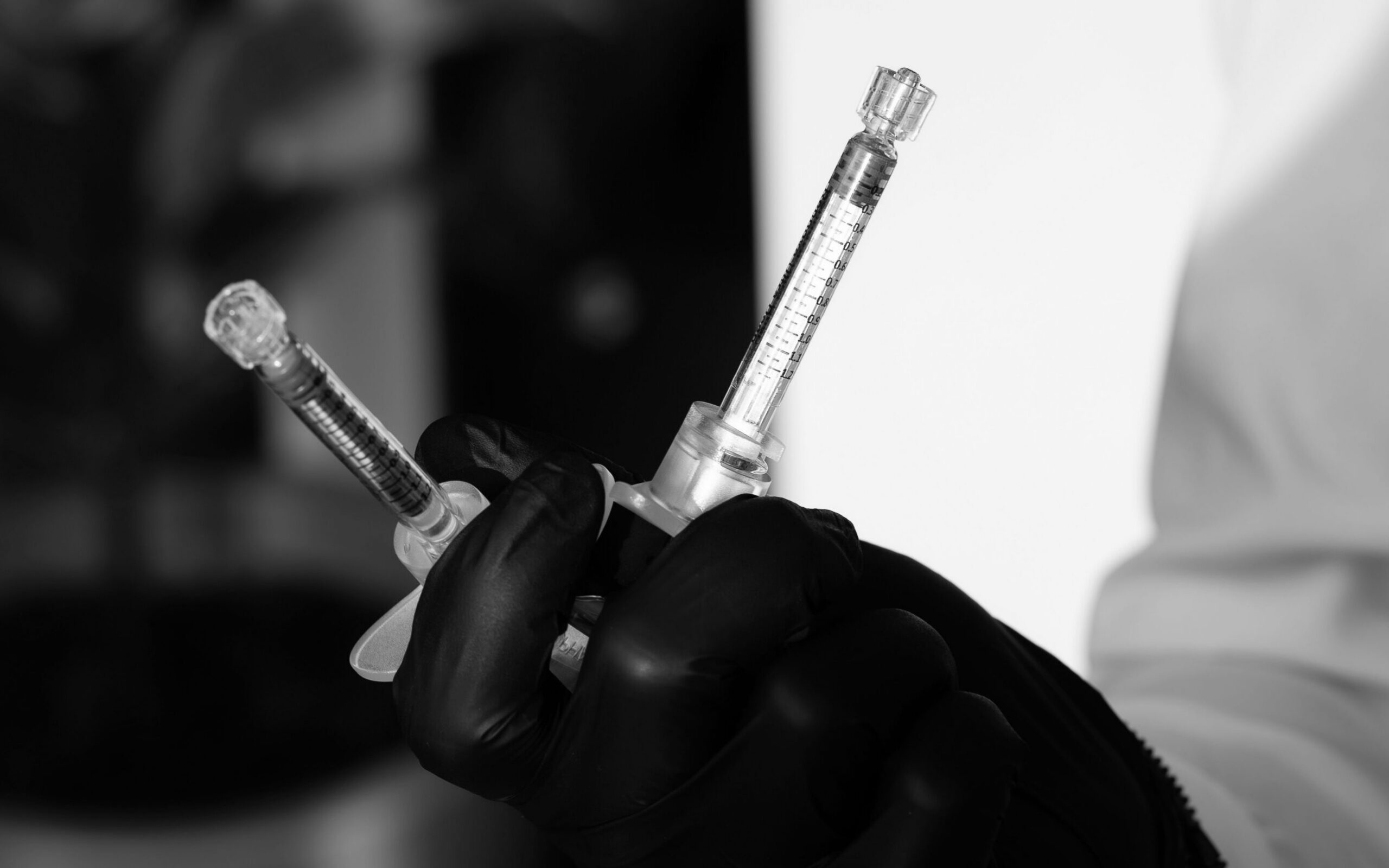
Korean Toxin Makers Post Record Q2 Revenue
South Korea’s top three botulinum toxin manufacturers reported a combined Q2 revenue of ₩225.9 billion. Hugel achieved quarterly sales of ₩84 billion (approx. $59.3 million), marking a 37.2% year-on-year increase, while Medytox recorded ₩38.5 billion (approx. $27.2 million), up 8.5%. Notably, Hugel’s subsidiary Nabota surpassed ₩100 billion in quarterly sales for the first time, signaling strong global demand for Korean-made toxins amidst competitive international markets.
US Crackdown on Counterfeit Injectables Highlights Safety Gaps
In the US, a Massachusetts med spa owner was sentenced to 46 months in prison for performing thousands of injections using counterfeit Botox and fillers imported from China and Brazil. This case, alongside recent FDA warnings to websites selling unapproved injectables, underscores the growing global scrutiny on supply chain integrity. For medical tourists, this reinforces the importance of verifying clinic credentials and product authenticity when seeking treatments abroad.
Skin Whitening and Laser Treatments Gain Specific Attention
Recent guides emphasize that skin whitening treatments in Korea now involve rigorous candidate screening and supervised care using topical agents, peels, IPL, or oral Tranexamic Acid (TXA). This reflects a trend toward safer, regulated protocols for pigmentation correction, moving away from unverified oral supplements. The focus on "K-Glow" involves a combination of laser therapy and facial firming, which is driving new tourism waves distinct from traditional plastic surgery.
Local view
Local media outlets like CBC News and Munhwa Ilbo are highlighting the diversification of medical tourism beyond plastic surgery. Reports indicate that while dermatology and plastic surgery remain popular, there is a notable increase in patients visiting ophthalmology and orthopedics departments, though aesthetics still dominate the volume. Furthermore, "K-Pharmacies" are emerging as shopping destinations for foreigners who visit clinics for procedures like masseter Botox or skin boosters, creating a secondary retail economy around medical tourism hubs like Gangnam.
Context & numbers
- Foreign Patient Volume: Over 2 million foreign patients visited Korea in 2025.
- Dermatology Growth: Foreign dermatology patients have surged significantly, with previous reports indicating a 117-fold increase since 2009, reaching over 700,000 annually in recent years.
- Toxin Market: The combined Q2 revenue for Korea's top three toxin makers was ₩225.9 billion.
- Key Nationalities: China and Japan account for roughly 60% of foreign medical tourists.
On the radar
- Global Counterfeit Scrutiny: Following recent US DOJ actions and FDA warnings, increased vigilance regarding imported injectables is expected in major medical tourism hubs.
- Policy Updates: Continued monitoring of KHIDI statistics will reveal if the shift from surgical to non-surgical procedures accelerates in the second half of 2026.
- Device Trends: Interest in specific laser devices and skin boosters (such as Potenza and Juvelook) remains high in Japanese media coverage of Korean beauty trips, suggesting sustained demand for these specific technologies.
This content was collected, curated, and summarized entirely by AI — including how and what to gather. It may contain inaccuracies. Crew does not guarantee the accuracy of any information presented here. Always verify facts on your own before acting on them. Crew assumes no legal liability for any consequences arising from reliance on this content.
Powered by
