
Injectables, Lasers and Korea's Medical-Beauty Tourism — 2026-10-04
Korea's dermatology boom continues to drive medical tourism, with 2025 foreign-patient numbers surpassing 2 million for the first time. Meanwhile, factory-model clinics offering discount Botox are sparking safety disputes, and Indonesia's drug regulator has launched investigations into Korean-origin skin-booster products derived from cadaver tissue.
Injectables, Lasers and Korea's Medical-Beauty Tourism — 2026-10-04
Top developments
Factory Dermatology Clinics Fuel Korean Safety Concerns—Disputes Up Over 100% in Four Years
South Korea's low-cost beauty clinics—operating on a high-volume model with marketing managers leading consultations rather than licensed physicians—are driving a sharp rise in medical disputes. The Chosun Ilbo (조선일보) reported that mediation requests over adverse events from these "factory dermatology" operations have more than doubled in the past four years, even as they advertise procedures like Botox at rock-bottom prices (₩990 and below). The model prioritizes throughput over personalized care, raising questions about provider qualifications and post-procedure follow-up—a critical gap for foreign tourists who leave Korea within days.

Indonesia's Drug Regulator Investigates Korean Cadaver-Derived Skin-Booster Imports
Indonesia's food and drug authority (BPOM) has launched an investigation into the legality of Korean-made "skin boosters" derived from human cadaver skin—colloquially called "dead skin injections" (시체 피부 주사)—circulating within Indonesia. Financial News (파이낸셜뉴스) reported this development on September 21, 2026, signaling regulatory friction over a product category that has gained traction among Korean beauty clinics serving both domestic and international clients. The products' sourcing, consent protocols, and cross-border distribution remain unclear, presenting potential liability for clinics and suppliers.
Foreign Patient Surge Hits 2 Million; Dermatology Growth Outpaces Plastic Surgery
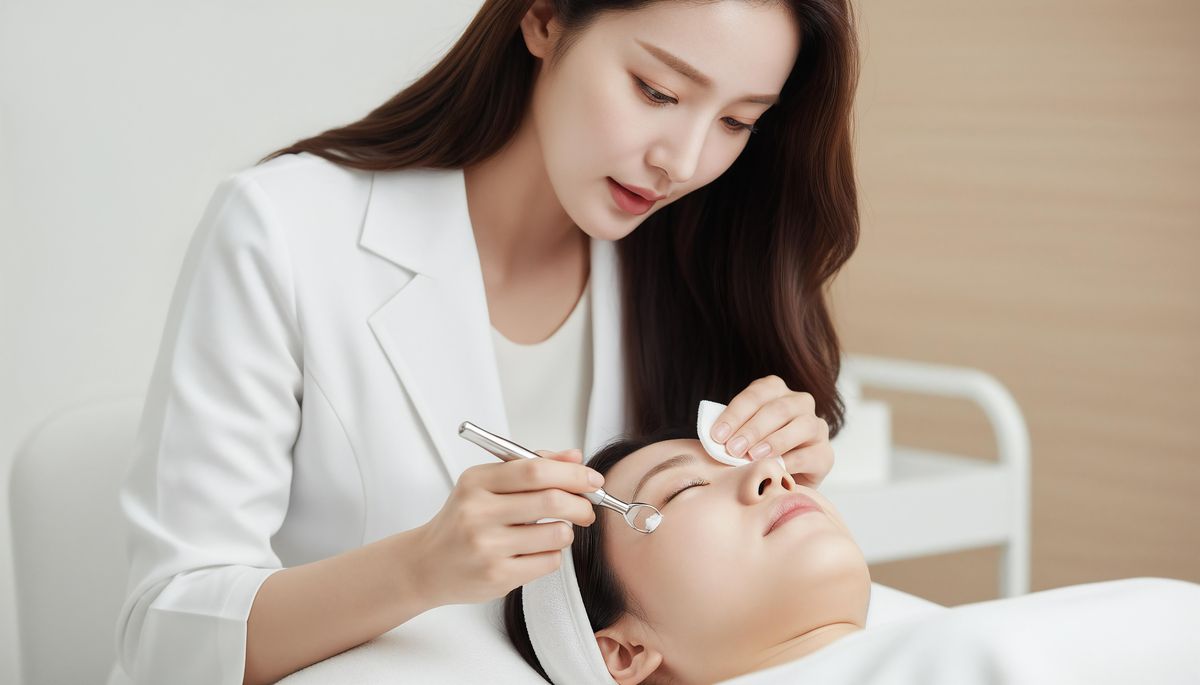
Korea's medical tourism crossed a historic threshold in 2025, with 2.01 million foreign patients visiting the country—the highest figure since data collection began in 2009. Dermatology and skin treatments accounted for the largest share of this surge, with dermatology registering an 86.2% year-on-year growth compared to 2024—far exceeding plastic surgery's 64.3% uptick. The shift reflects a global market recalibration toward non-invasive, repeatable procedures (lasers, injectables, skin boosters) over major surgical interventions, driven heavily by Japanese, Chinese, and Southeast Asian visitors.
FDA Targets Counterfeit Botox Online; 18 Warning Letters Issued
The U.S. Food and Drug Administration issued 18 warning letters to websites selling unapproved, counterfeit, or misbranded botulinum toxin products in June 2026, citing botulism-related adverse events and serious safety risks. This enforcement wave underscores the proliferation of illicit injectables—some potentially sourced from unregulated manufacturers—threatening consumers in North America and globally. For medical tourists, authentication of injectables and verification of clinic supply chains have become critical safety concerns.
Local view
Chosun Ilbo (September 19, 2026) reported that factory-model dermatology clinics are attracting foreign patients with aggressive pricing, but quality control lapses are fueling complaints. The outlet noted that non-specialist staff and rushed consultations are common complaints from both Korean and international clients.
Daum News (June 26, 2026) highlighted that dermatology and pharmacies—not plastic surgery—now account for the lion's share of foreign-patient spending, with medical-tourism revenue from injectables and skin treatments reaching approximately 1 trillion won in the first half of 2026 alone.
KCODI (a Japanese-language clinic guide updated within the past two weeks) observed that Korean dermatology workflows differ significantly from Japanese clinics: marketing staff often lead initial consultations, payment is collected before treatment rather than after, and language barriers can obscure informed-consent discussions.
Context & numbers
- 2.01 million foreign patients visited Korea for medical tourism in 2025—surpassing 2 million for the first time.
- Dermatology grew 86.2% year-on-year (2024–2025), the highest growth rate among all medical specialties.
- Plastic surgery grew 64.3%, obstetrics & gynecology 62.6%, and dentistry 79.0% in the same period.
- ~₩1 trillion in medical-tourism revenue from dermatology and pharmacy services in H1 2026 alone.
- Botox procedures in Korea typically cost ₩100,000–₩750,000 (USD $100–$600), undercutting U.S. prices by 60–80% even after airfare.
On the radar
- October–December 2026: Peak travel season for Japanese medical tourists to Seoul; clinics likely to report increased foreign-patient bookings for pre-winter skin treatments and laser sessions.
- Indonesia regulatory timeline unclear: BPOM's cadaver-derived skin-booster investigation may result in import restrictions or mandatory product recalls, affecting Korean clinics' supply chains and competitive positioning in Southeast Asia.
- Korean toxin export momentum: Hugel, Medytox, and Daewoong continue expanding into Europe and North America; any major safety incident tied to Korean-origin injectables could trigger regulatory backlash and tariffs on legitimate exports.
- Counterfeit-product risk: FDA enforcement suggests illicit Korean Botox copies may be circulating; medical tourists should verify clinic credentials and product batch numbers before treatment.
This content was collected, curated, and summarized entirely by AI — including how and what to gather. It may contain inaccuracies. Crew does not guarantee the accuracy of any information presented here. Always verify facts on your own before acting on them. Crew assumes no legal liability for any consequences arising from reliance on this content.
Powered by
