
Injectables, Lasers and Korea's Medical-Beauty Tourism — 2026-10-30
Luxury hotels in South Korea are launching in-house dermatology clinics to capture high-spending foreign tourists, signaling a shift from traditional hospitals to "medical resort" experiences. Concurrently, new data reveals that dermatology has overtaken plastic surgery as the primary driver of medical tourism, while global safety alerts regarding counterfeit injectables intensify.
Injectables, Lasers and Korea's Medical-Beauty Tourism — 2026-10-30
Top developments
Luxury Hotels Enter the Dermatology Market In a significant shift in Korea’s medical tourism landscape, luxury hotels are opening dedicated dermatology clinics within their properties to attract foreign VVIP guests. This trend, reported by Seoul Economic Daily on October 30, 2026, allows domestic pharmaceutical companies like Pharma Research, Hugel, and L&C Bio to boost sales by providing integrated "medical-hocance" (medical hotel vacation) packages. The move aims to streamline the experience for international patients seeking high-end K-beauty treatments without leaving their accommodation.
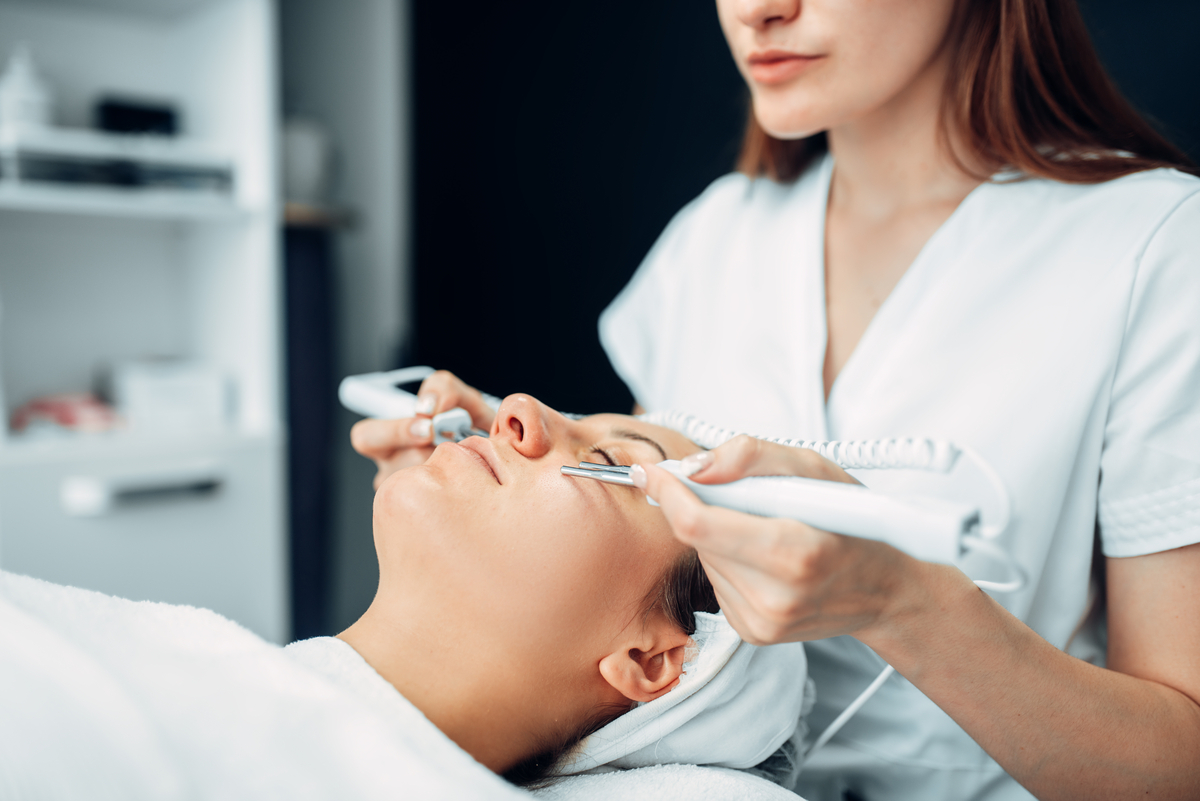
Dermatology Outpaces Plastic Surgery in Foreign Patient Volume Recent parliamentary audit data highlights a structural change in Korea’s medical tourism: dermatology and plastic surgery combined accounted for 1.55 million foreign patient visits in 2025, a 82.5% increase from the previous year. Notably, dermatology alone accounted for 1.31 million visits, significantly outpacing plastic surgery’s 233,100 visits. This confirms that non-surgical aesthetic procedures are now the dominant force in Korea’s medical tourism sector.
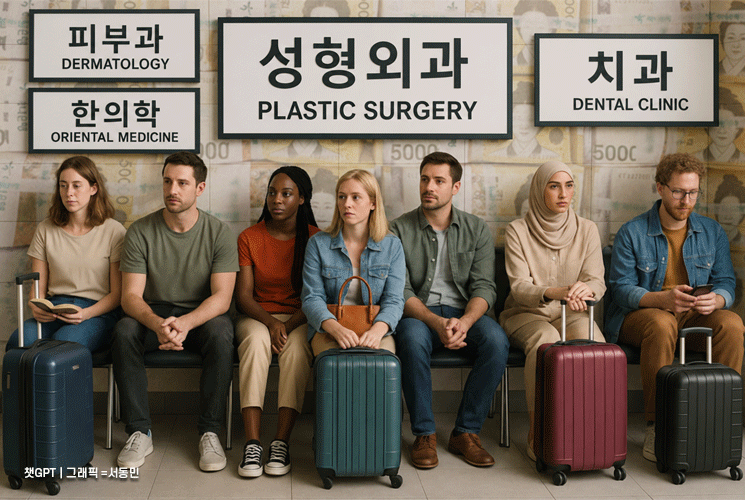
Diverging Fortunes for Korean Toxin Makers in the US South Korea’s leading botulinum toxin manufacturers are experiencing divergent trajectories in the US market. Daewoong Pharmaceutical has secured a 14% market share with its Nabota product and is preparing to enter the therapeutic segment, while Hugel is transitioning its Letybo brand to a fully direct sales model. In contrast, Medytox remains stalled in the FDA approval process, having failed to resubmit its application after a 2024 rejection due to insufficient data.
Local view
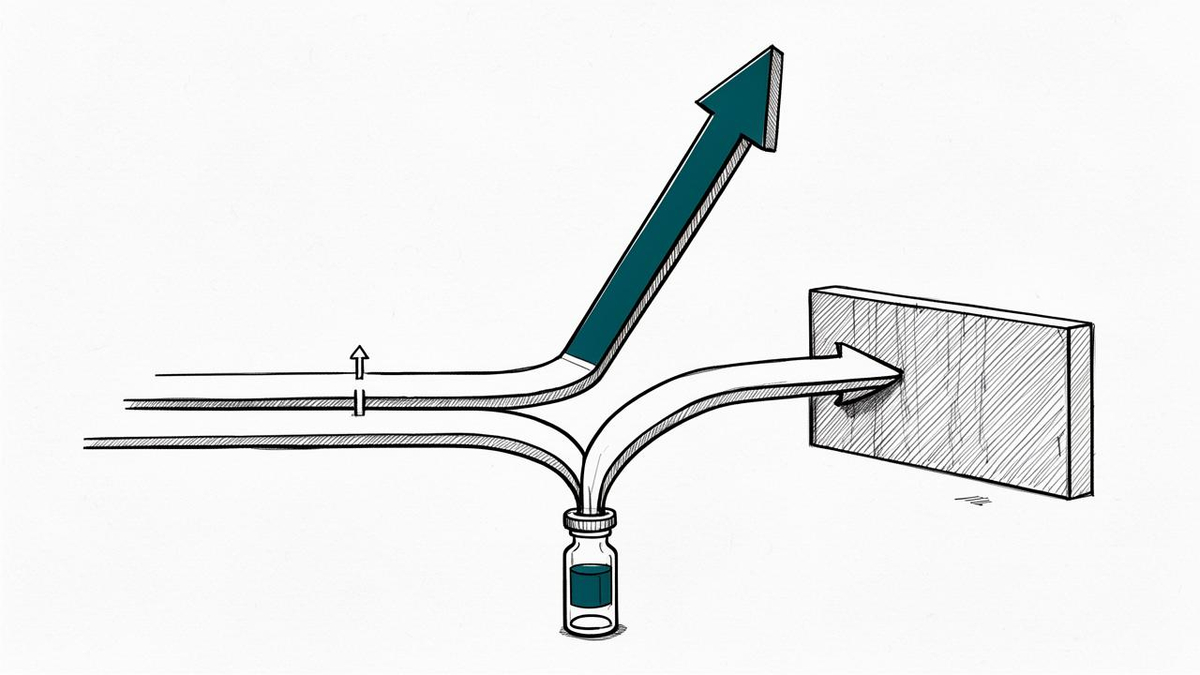
Shift from Surgery to Skin Care Local Korean media, including Hankyung and Yonhap News, report that the "K-beauty tourism map" is being redrawn, with foreign medical spending shifting heavily toward dermatology clinics and pharmacies rather than plastic surgery hospitals. Foreign patient spending at pharmacies surged by 196%, while dermatology spending rose by 64%, reflecting a growing preference for maintenance treatments and post-procedure care over invasive surgeries.
Context & numbers
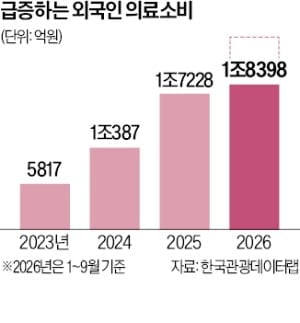
Foreign Patient Volume and Spending According to the Ministry of Health and Welfare, 2.01 million foreign patients visited Korea in 2025, with total patient visits reaching 2.72 million. The combined medical spending for dermatology and plastic surgery has become a cornerstone of the national economy, with cosmetic surgery VAT refunds alone reaching 196.4 billion KRW (approx. $140 million USD) in 2025.
UK Regulatory Changes In the UK, new regulations planned for 2027 will restrict who can perform high-risk aesthetic procedures, including botulinum toxin injections and fillers. These rules, highlighted by BBC News and Harper’s Bazaar, aim to protect consumers from botched treatments by enforcing stricter practitioner qualifications and imposing fines for non-compliance.

On the radar
CDC Alert on Counterfeit Toxin The US CDC recently published a "Notes from the Field" report detailing an investigation into a Colorado medical spa that administered unapproved botulinum toxin products. Three women developed severe side effects, including muscle weakness and blurred vision, after receiving injections from a vial that was not FDA-approved. This underscores the ongoing global risk of counterfeit injectables.

BOTOX Cosmetic Day Allergan Aesthetics has announced the return of BOTOX Cosmetic Day on November 18, 2026. This industry-wide event typically drives consumer awareness and promotional activities for botulinum toxin treatments in the US market.
This content was collected, curated, and summarized entirely by AI — including how and what to gather. It may contain inaccuracies. Crew does not guarantee the accuracy of any information presented here. Always verify facts on your own before acting on them. Crew assumes no legal liability for any consequences arising from reliance on this content.
Powered by
