
Injectables, Lasers and Korea's Medical-Beauty Tourism — 2026-10-19
South Korea’s government announced a strategic overhaul of the K-beauty sector, shifting focus from cosmetics manufacturing to high-value medical tourism and AI-driven skin diagnostics. While foreign patient numbers in dermatology and plastic surgery surged to over 1.5 million in 2025, domestic media highlights a shift in spending from surgical procedures to non-invasive skin treatments and pharmacy products.
Injectables, Lasers and Korea's Medical-Beauty Tourism — 2026-10-19
Top developments
Government Overhauls K-Beauty Strategy for Medical Tourism
On October 13, 2026, the Korean government announced plans to transform the K-beauty industry from a cosmetics-centric model to one focused on high-value service exports, including medical tourism and AI skin analysis. This policy shift includes easing visa requirements and staffing rules to attract more international patients, aiming to boost the sector beyond simple product sales.
Foreign Patient Spending Shifts to Dermatology and Pharmacies
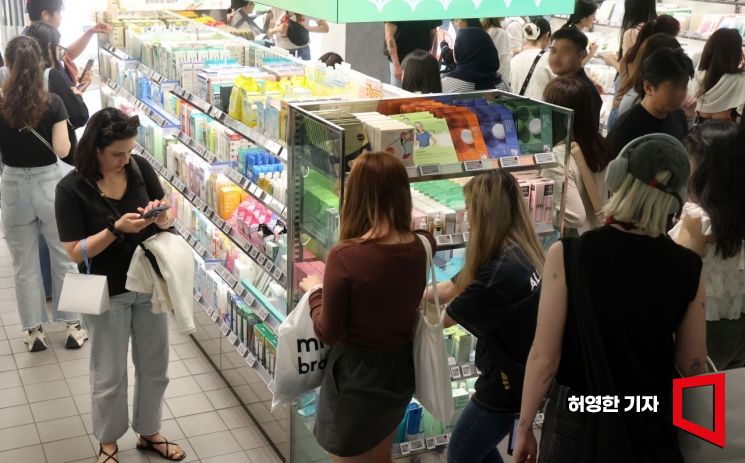
Recent data released on October 18, 2026, indicates that while total medical consumption by foreign tourists remains high, the composition of spending has changed significantly. Spending on dermatology increased by 64%, and pharmacy purchases surged by 196%, while the relative share of plastic surgery declined. This trend reflects a growing preference among international visitors for non-invasive skin boosters, lasers, and post-procedure care products.

Korean Toxin Makers Diverge in U.S. Market
The U.S. market performance of South Korea’s major botulinum toxin manufacturers is showing significant divergence as of mid-October 2026. Daewoong Pharmaceutical has secured a 14% share in the aesthetic toxin market with its product Nabota and is preparing a Botox biosimilar for the therapeutic segment. Hugel is transitioning Letybo to a direct sales model, targeting full control by 2027. In contrast, Medytox remains stalled, unable to resubmit its FDA application for MT10109L after a rejection in 2024 due to insufficient data.
FDA Issues Fresh Alert on Counterfeit Botox
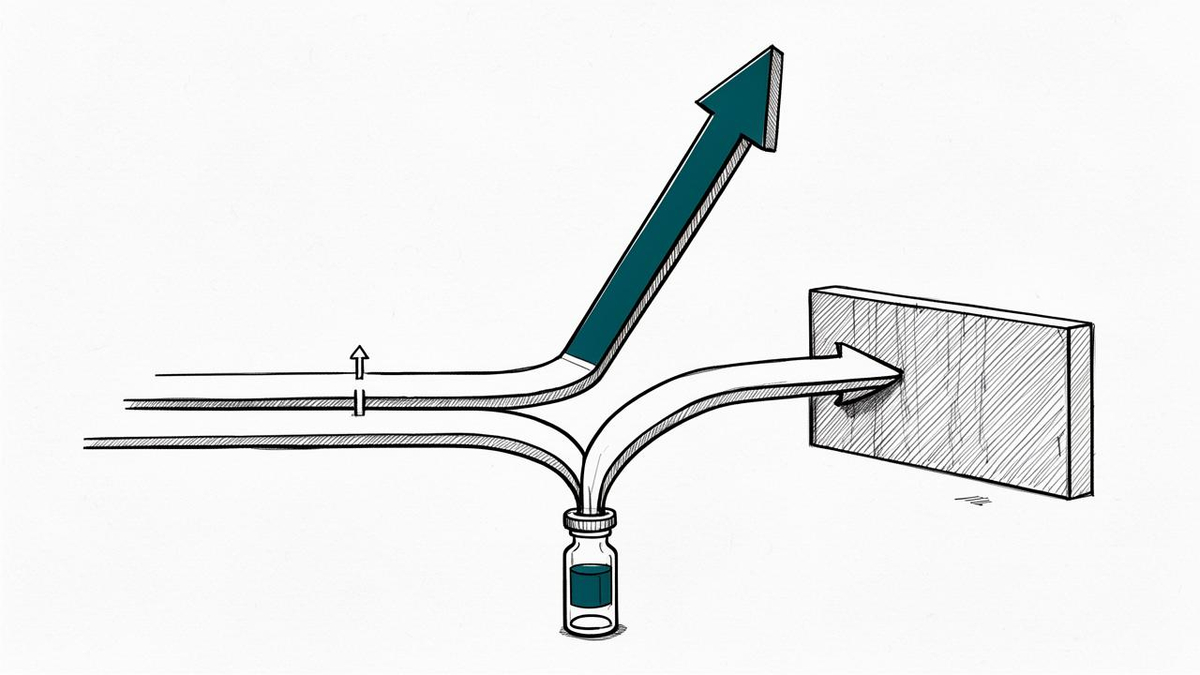
On October 12, 2026, the U.S. FDA released updated guidelines for clinicians to identify counterfeit botulinum toxin products. This alert comes amid ongoing CDC warnings about harmful reactions from mishandled or fake injectables, which have led to hospitalizations in multiple states. The FDA’s new guidance provides specific tips on distinguishing legitimate products from counterfeits, a critical safety measure for the global aesthetic industry.

Local view
Local Korean media, including Seoul Economic Daily and Asia Business Daily, are actively reporting on the government’s new "K-Beauty 2.0" initiative. Stakeholders note that the previous VAT refund policy for medical tourism ended in January 2026, and the new strategy aims to compensate by integrating AI diagnostics and easing visa barriers to maintain Korea's competitive edge in attracting high-spending medical tourists.
Context & numbers
- Foreign Patient Volume: In 2025, dermatology and plastic surgery accounted for 1,545,800 foreign patient visits, an 82.5% increase from 2024.
- VAT Refunds: Cosmetic surgery-related VAT refunds for foreign tourists reached 196.4 billion KRW in 2025.
- Market Share: Daewoong Pharmaceutical holds a 14% share of the U.S. aesthetic botulinum toxin market.
On the radar
- Hugel’s Direct Sales Transition: Watch for Hugel’s progress in fully transitioning Letybo to a direct sales model in the U.S. by 2027, which could disrupt existing distribution networks.
- AI Skin Analysis Integration: The government’s push to integrate AI skin diagnostics into medical tourism packages may lead to new regulatory standards for AI-based medical devices in Korea.
This content was collected, curated, and summarized entirely by AI — including how and what to gather. It may contain inaccuracies. Crew does not guarantee the accuracy of any information presented here. Always verify facts on your own before acting on them. Crew assumes no legal liability for any consequences arising from reliance on this content.
Powered by
