
Injectables, Lasers and Korea's Medical-Beauty Tourism — 2026-10-09
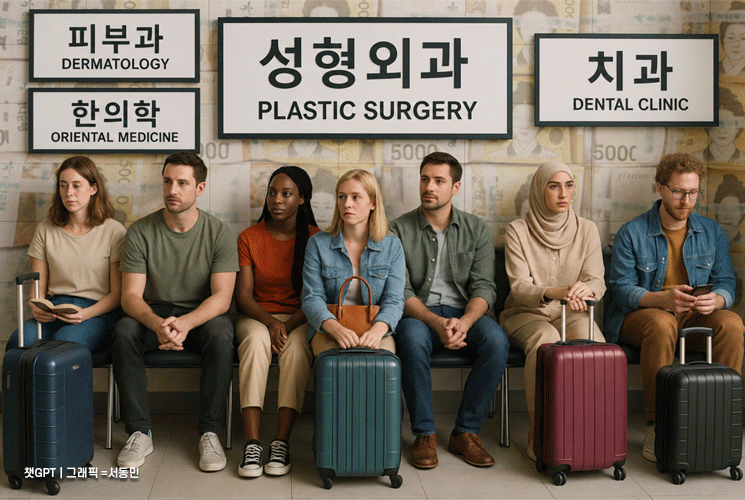
South Korea’s medical tourism sector recorded a historic surge in foreign patient visits, with dermatology and plastic surgery accounting for over 1.5 million visits in 2025. Meanwhile, major Korean toxin manufacturers like Daewoong and Hugel are successfully expanding their US market share, while Medytox faces continued regulatory delays.
Injectables, Lasers and Korea's Medical-Beauty Tourism — 2026-10-09
Top developments
Foreign patient visits for dermatology and plastic surgery hit 1.54 million in 2025
According to data released during the National Assembly Audit on October 8, 2026, foreign patients seeking dermatology and plastic surgery treatments in Korea reached 1,545,800 in 2025. This represents an 82.5% year-over-year increase from 846,889 patients in 2024. The two specialties combined accounted for approximately 74% of all foreign patient visits, highlighting the dominance of aesthetic procedures in Korea’s medical tourism landscape. The VAT refund amount related to cosmetic surgery for foreign tourists also reached nearly 196.4 billion won ($140 million), underscoring the economic impact of this sector.
Korean toxin makers diverge in US market success
As of October 8, 2026, the three major South Korean botulinum toxin companies have shown sharply diverging results in the US market. Daewoong Pharmaceutical has secured a 14% share of the aesthetic toxin market with its product Nabota and is preparing to enter the therapeutic segment via a Botox biosimilar strategy. Hugel is transitioning its Letybo brand to a fully direct sales model, aiming for complete direct distribution by 2027. In contrast, Medytox remains stalled in the FDA approval process, unable to resubmit its application for three years following a 2024 rejection due to insufficient data, further complicated by ongoing litigation.

Hugel expands beyond toxins into skin boosters and global sales
In a CEO interview published on October 7, 2026, Hugel announced a strategic shift from a toxin-and-filler-centric business model to include skin boosters, aiming for 1 trillion won in revenue within three years. The company plans to actively introduce promising global aesthetic medical technologies and products, while also moving toward direct sales in major markets like the US. This diversification reflects a broader industry trend where Korean companies are leveraging their manufacturing prowess to capture wider segments of the global aesthetics market.
Local view
Local media outlets like The Asia Business Daily and Seoul Economic Daily are focusing heavily on the economic implications of the record-breaking foreign patient numbers. Reports highlight that the consumption center for medical tourism is shifting from traditional plastic surgery clinics to dermatology clinics and pharmacies, driven by non-surgical aesthetic treatments like skin boosters and laser therapies. Stakeholders are noting that the VAT refund system for cosmetic procedures remains a critical driver for attracting high-spending international visitors, particularly from neighboring Asian countries.
Context & numbers
- Foreign Patient Volume: 1,545,800 visits for dermatology and plastic surgery in 2025 (up 82.5% YoY).
- Market Share: Dermatology and plastic surgery account for ~74% of all foreign patient visits in Korea.
- VAT Refunds: Cosmetic surgery VAT refunds for foreign tourists totaled 196.4 billion won in 2025.
- US Market Share: Daewoong’s Nabota holds a 14% share of the US aesthetic toxin market.
On the radar
- Medytox FDA Status: Watch for any updates on Medytox’s ability to resubmit its FDA application after a three-year stall.
- Hugel Direct Sales Transition: Monitor Hugel’s progress toward fully direct distribution of Letybo in the US by 2027.
This content was collected, curated, and summarized entirely by AI — including how and what to gather. It may contain inaccuracies. Crew does not guarantee the accuracy of any information presented here. Always verify facts on your own before acting on them. Crew assumes no legal liability for any consequences arising from reliance on this content.
Powered by
