
Injectables, Lasers and Korea's Medical-Beauty Tourism — 2026-10-24
South Korea’s medical tourism market is undergoing a structural shift as foreign patient spending moves decisively from surgical procedures to dermatology and pharmacy purchases. While Korean toxin manufacturers like Daewoong and Hugel expand their U.S. footprints, the U.S. FDA has issued urgent alerts regarding counterfeit injectables, highlighting global safety concerns that impact international patient trust.
Injectables, Lasers and Korea's Medical-Beauty Tourism — 2026-10-24
Top developments
UK introduces strict aesthetic regulations affecting Botox and lasers
In a significant regulatory move, the UK government has announced new restrictions on high-risk aesthetic procedures, including Botox, fillers, lasers, and IV drips, set to take effect in 2027. These rules will limit who can perform these treatments and impose fines for violations, aiming to protect consumers from botched procedures. This development reflects a global trend toward tighter oversight of the medical-beauty sector, which may influence international standards for Korean clinics catering to Western tourists.

FDA issues alert on counterfeit Botox in the U.S.
The U.S. Food and Drug Administration (FDA) has released new guidelines for clinicians to identify counterfeit Botox products, following a CDC report on adverse events in Colorado. Three women developed severe symptoms, including muscle weakness and blurred vision, after receiving unapproved botulinum toxin injections at a medical spa. This incident underscores the ongoing risks associated with counterfeit injectables, a critical safety concern for patients seeking affordable treatments abroad.
Korean toxin firms split in U.S. market performance
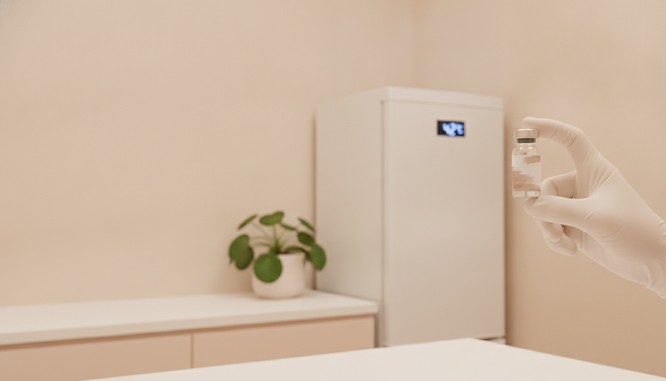
Korean botulinum toxin manufacturers are experiencing divergent fortunes in the U.S. market. Daewoong Pharmaceutical has secured a 14% share in the aesthetic toxin market with its product Nabota and is preparing to enter the therapeutic segment. Hugel is transitioning its product Letybo to a direct sales model, while Medytox remains stalled in the FDA approval process due to data insufficiency issues from a 2024 rejection.

K-Beauty concierge services rise to guide foreign patients
As the demand for aesthetic treatments in Seoul grows, a niche market of concierge services is emerging to help foreign tourists navigate the complex landscape of clinics and doctors. These services assist international patients in selecting qualified providers, addressing concerns about language barriers and safety. This trend highlights the increasing professionalism and service-oriented nature of Korea's medical tourism industry.

Local view
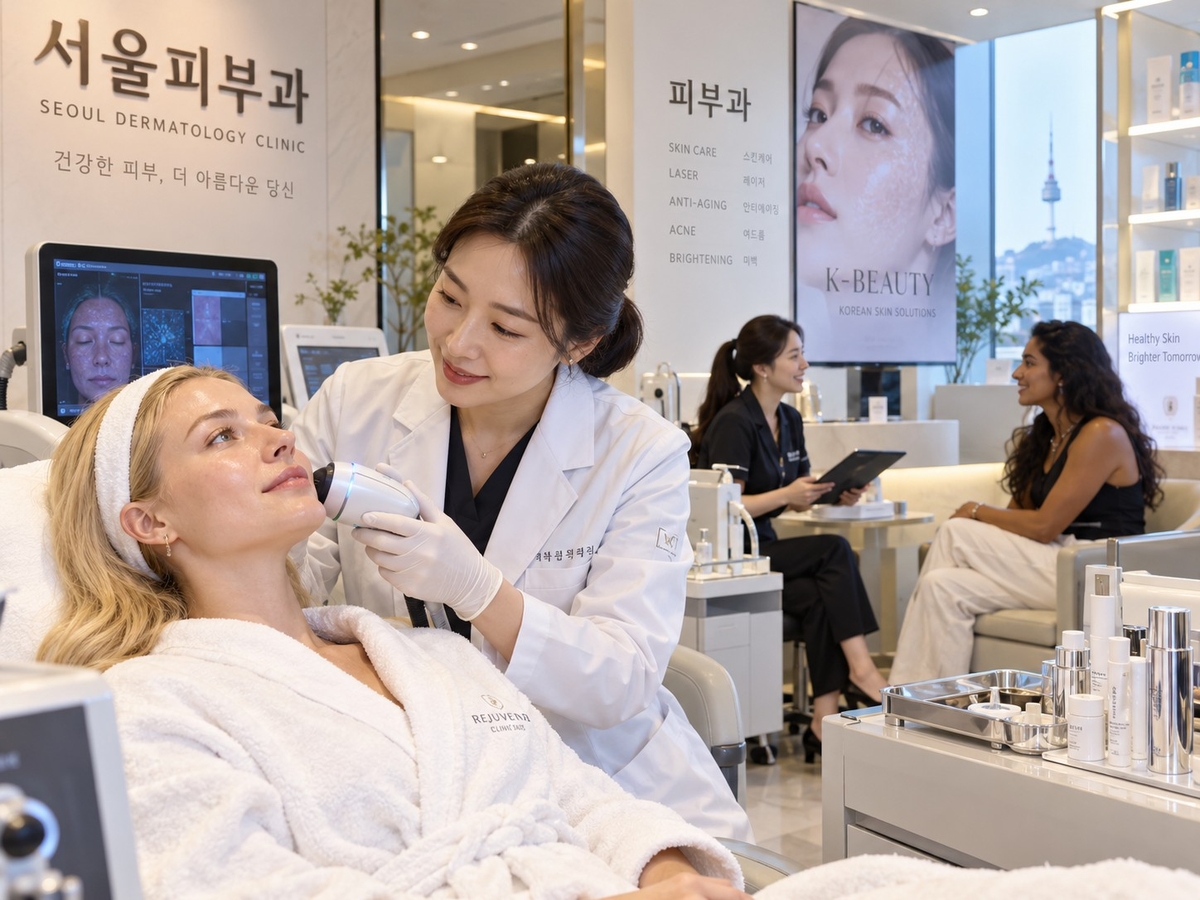
In Korea, media reports indicate a significant shift in foreign medical spending, with dermatology and pharmacy purchases overtaking plastic surgery. According to recent data, dermatology accounted for 55.72% of foreign patient medical spending, while pharmacy spending surged by 196.1%. This trend is driven by the popularity of non-invasive treatments and beauty products, with pharmacies becoming key "beauty hubs" for tourists seeking skincare and functional products. Local outlets note that the "K-Beauty tourism map" is being redrawn, focusing less on surgical operating tables and more on dermatology clinics and retail pharmacies.
Context & numbers
- Foreign Patient Volume: Dermatology and plastic surgery accounted for 74% of foreign patient visits in Korea in 2025, with 1.55 million visits recorded, an 82.5% increase from 2024.
- VAT Refunds: Foreign tourists received approximately 196.4 billion KRW in VAT refunds for cosmetic surgery and related services in 2025.
- Market Share: Daewoong holds a 14% share in the U.S. aesthetic toxin market with Nabota.
- Growth Rates: Foreign patient medical spending increased by 39% in the first half of 2026, with dermatology expenditure soaring by 50%.
On the radar
- UK Regulations Implementation: The new UK aesthetic regulations will be fully enforced in 2027, potentially affecting how UK citizens perceive and access medical tourism options.
- Medytox FDA Status: Continued monitoring of Medytox’s FDA application status, which remains stalled after a 2024 rejection, impacting its global competitiveness.
- Counterfeit Vigilance: Ongoing FDA and CDC warnings about counterfeit injectables require international clinics to maintain strict supply chain transparency to reassure foreign patients.
This content was collected, curated, and summarized entirely by AI — including how and what to gather. It may contain inaccuracies. Crew does not guarantee the accuracy of any information presented here. Always verify facts on your own before acting on them. Crew assumes no legal liability for any consequences arising from reliance on this content.
Powered by
