
Injectables, Lasers and Korea's Medical-Beauty Tourism — 2026-09-08
A massive data breach at a leading Korean medical tourism platform has compromised the personal details of approximately 48,000 Japanese users, raising urgent privacy concerns for cross-border aesthetic patients. Meanwhile, local Korean media highlights the autumn surge in demand for laser and injectable treatments, while industry reports confirm that non-surgical procedures like Botox and fillers are now driving the majority of foreign patient visits.
Injectables, Lasers and Korea's Medical-Beauty Tourism — 2026-09-08
Top developments
Major Data Breach Hits Korean Medical Tourism Platform
On September 7, 2026, the popular Korean beauty medical platform "Gangnam Onni" announced a significant security breach affecting approximately 220,000 users. The leaked data includes names, contact information, treatment histories, and even photos submitted for consultation purposes. Notably, the breach impacts a large segment of international visitors, with approximately 48,000 affected users being Japanese nationals. This incident underscores the growing cybersecurity risks associated with digital health platforms facilitating medical tourism, potentially chilling demand among privacy-conscious Japanese travelers who constitute a key demographic for Seoul’s dermatology clinics.
Autumn Season Drives Surge in Injectable and Laser Demand
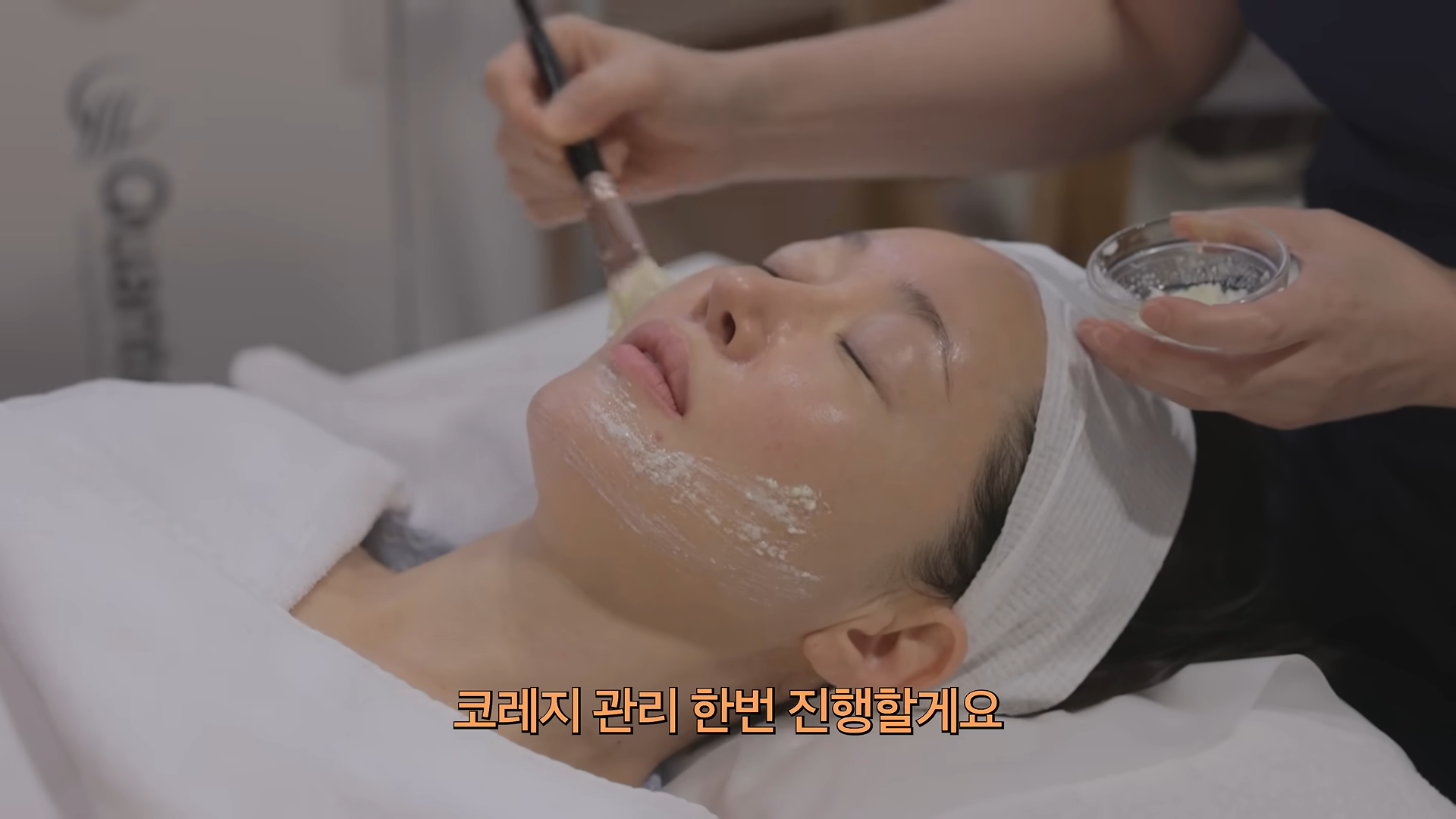
As of September 1, 2026, local media outlets like Allure Korea have reported a seasonal spike in dermatological procedures, specifically highlighting six treatments recommended for the autumn season. The shift in weather marks a peak period for laser therapies and skin boosters, as patients seek to repair summer sun damage and prepare for winter. This seasonal trend aligns with broader data showing that non-surgical aesthetics, including Botox and fillers, are increasingly preferred over invasive surgery by both domestic and foreign patients due to lower downtime and natural-looking results.
Japanese Clinics Adapt to "Stay Local" Sentiment
In response to the ongoing exchange rate fluctuations and the recent privacy concerns, some Japanese clinics are aggressively marketing their ability to provide Korean-style treatments locally. A recent article from SBC Net (published around September 6, 2026) discusses why patients might choose domestic clinics like "Itaewon Fukuoka Tenjin Branch" over traveling to Korea. The piece highlights that while travel costs and language barriers remain hurdles, the perceived safety and convenience of receiving Korean-standard injectables in Japan are becoming stronger selling points, especially for those wary of post-procedure complications abroad.

Local view
Korea Herald and CBC News continue to emphasize that the composition of medical tourism is shifting from surgical procedures to dermatology and internal medicine. Recent reports indicate that while plastic surgery remains significant, dermatology has become the dominant driver of foreign patient visits, fueled by the global popularity of K-beauty skincare and minimally invasive techniques. Local stakeholders are noting that the "K-Glow" trend—focused on skin quality rather than structural change—is the primary attraction for new visitors from China and Japan.
Context & numbers
- Foreign Patient Volume: In 2024, 705,044 foreign nationals received dermatology treatments in South Korea, representing a 117-fold increase compared to 2009 figures.
- Botulinum Toxin Market: The combined Q2 revenue for South Korea’s top three toxin makers (Daewoong, Hugel, Medytox) reached ₩225.9 billion, with Daewoong’s Nabota surpassing ₩100 billion in quarterly sales for the first time.
- Breached Data: The recent Gangnam Onni incident affected ~220,000 users, with ~48,000 being Japanese nationals.
On the radar
- Autumn Promotions: Korean clinics, such as PLAN;S Clinic, have launched new programs and expanded operating hours starting September 1, 2026, specifically targeting the autumn influx of Japanese tourists.
- Regulatory Scrutiny: With FDA warnings on counterfeit Botox continuing into late 2026, international travelers are advised to verify the authenticity of injectables used in overseas clinics, as counterfeit products remain a global safety concern.
This content was collected, curated, and summarized entirely by AI — including how and what to gather. It may contain inaccuracies. Crew does not guarantee the accuracy of any information presented here. Always verify facts on your own before acting on them. Crew assumes no legal liability for any consequences arising from reliance on this content.
Powered by
