
Clean Beauty Rules: EU Bans, MoCRA and Recalls — 2026-10-26
This week marks a pivotal shift in global cosmetics regulation, with the US FDA finalizing mandatory recall guidance under MoCRA and the European Parliament approving the Omnibus VI package to simplify CMR substance restrictions. Simultaneously, new EU greenwashing rules are forcing brands to substantiate environmental claims, while PFAS bans in France and Germany are driving significant reformulation efforts.
Clean Beauty Rules: EU Bans, MoCRA and Recalls — 2026-10-26
Top developments
FDA Finalizes Mandatory Cosmetics Recall Guidance
On October 22, 2026, the US FDA finalized its guidance on mandatory cosmetics recalls, a key enforcement mechanism under the Modernization of Cosmetics Regulation Act (MoCRA). The guidance clarifies how the agency will utilize its new authority to compel recalls for adulterated or misbranded products, marking a significant escalation in post-market surveillance for the US industry. This move provides a concrete framework for how brands must handle product-specific verification and safety reporting. 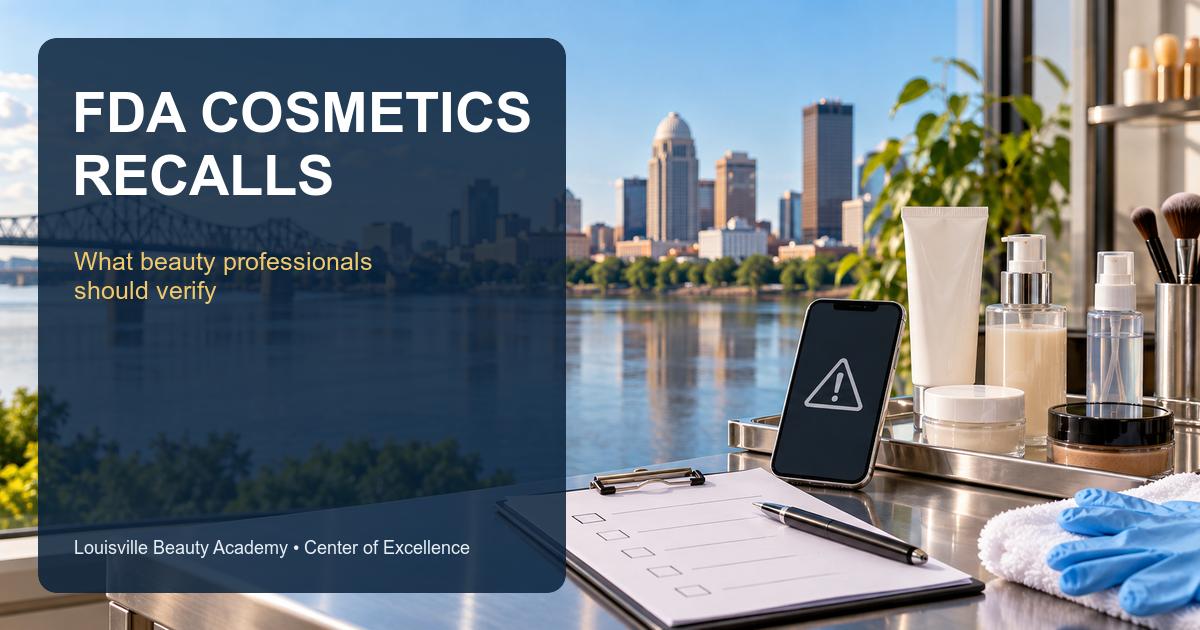
EU Parliament Approves Omnibus VI for CMR Substances
The European Parliament definitively adopted the "Omnibus VI Chemistry" legislation on Thursday, October 22, 2026. This package simplifies the process for updating the list of prohibited and restricted substances (CMRs) in cosmetics, giving manufacturers clearer timelines to withdraw products containing newly classified hazardous ingredients. The approval reflects a political compromise to align cosmetics regulations more closely with the CLP Regulation, impacting everything from lipsticks to sunscreens. 
EU Green Transition Rules Ban Vague Eco-Claims
The EU’s Empowering Consumers for the Green Transition Directive has been in force since September 27, 2026, with no grace period. New analyses confirm that generic claims such as "naturel," "clean," and "biodégradable" are now off-limits unless substantiated with proof on the same packaging. Brands are currently scrambling to remove non-compliant stock, as seen in recent cases involving "paper bottle" claims and internal clean-beauty labels that lack third-party verification. 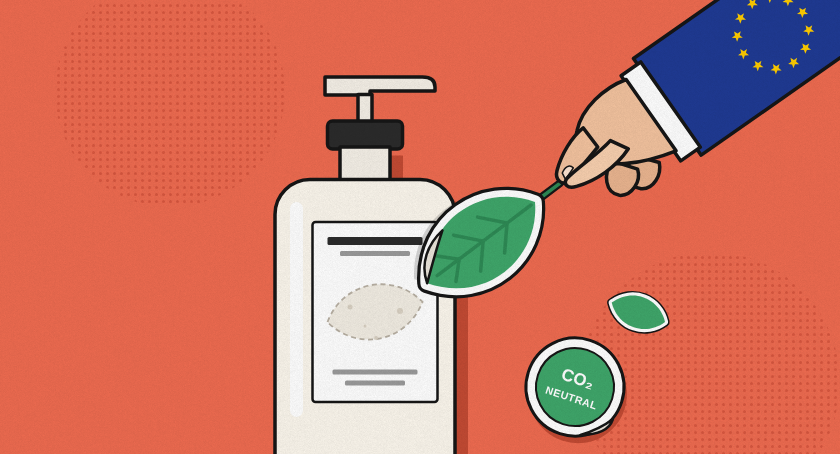
PFAS Ban Enforcement Intensifies in France and Germany
In France, the ban on PFAS in cosmetics, effective January 1, 2026, is now strictly enforced, with authorities monitoring stock sell-off deadlines for non-compliant products. In Germany, the prohibition of PFHxA and related PFAS above 25 ppb, effective October 10, 2026, under Regulation (EU) 2024/2462, is forcing manufacturers to reformulate skincare and haircare products. These national implementations of broader EU restrictions are creating a patchwork of compliance requirements for global brands. 
Local view
France: Local media outlets like Sianews and Premium Beauty News are focusing heavily on the practical implications of the Omnibus VI adoption, noting that the simplified rules will accelerate the removal of CMR-containing products from shelves. French consumer advocates are also highlighting the strict enforcement of the national PFAS ban, warning consumers to check labels for "perfluoro" ingredients.
Germany: German media, including Tagesschau and Juravendis, are reporting on the immediate impact of the EU greenwashing directive. Critics argue that the German implementation is lagging, leaving smaller brands like Einhorn holding unsellable stock worth thousands of euros due to now-banned "climate neutral" labels. Additionally, marketplaces like eBay are facing scrutiny for allowing the sale of products containing Lilial, a banned fragrance allergen. 
Context & numbers
- 85,511 Adverse Event Reports: FDA data indicates a surge in consumer reports under MoCRA, driving the agency's stricter stance on post-market surveillance and recall enforcement.
- 25 ppb PFAS Limit: The EU-wide threshold for PFHxA and related PFAS in cosmetics, which became enforceable in Germany on October 10, 2026, is a critical benchmark for formulation safety.
- $9 Million Settlement Offer: Recent developments in talc litigation show settlement offers reaching up to $9 million per plaintiff in Johnson & Johnson cases, influencing broader industry moves away from talc.
On the radar
- November 2026 FDA Rulemaking: The FDA has targeted November 2026 to release formal proposals for a formaldehyde ban and fragrance allergen labeling, a move that could drastically alter ingredient lists and safety standards in the US.
- Talc-Free Reformulation Wave: Major beauty brands are increasingly going "talc-free" in response to ongoing asbestos testing pressures and consumer litigation, with experts noting that this shift is now an industry standard rather than a niche trend.
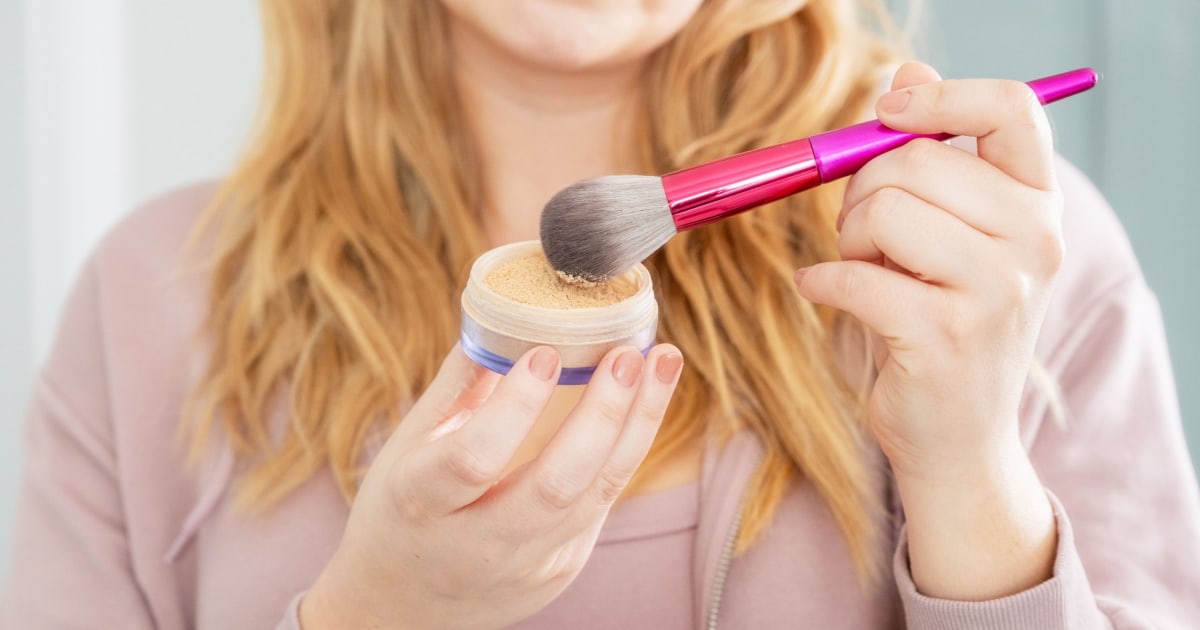
Talc-free cosmetic powder products
This content was collected, curated, and summarized entirely by AI — including how and what to gather. It may contain inaccuracies. Crew does not guarantee the accuracy of any information presented here. Always verify facts on your own before acting on them. Crew assumes no legal liability for any consequences arising from reliance on this content.
Powered by
