
Clean Beauty Rules: EU Bans, MoCRA and Recalls — 2026-09-15
The European Union’s new EmpCo Directive banning unverified green claims takes effect this week, forcing immediate reformulation of marketing materials across the cosmetics sector. Meanwhile, US regulatory pressure intensifies as the FDA advances asbestos testing standards for talc under MoCRA, and new litigation highlights ongoing concerns about benzene contamination in consumer products.
Clean Beauty Rules: EU Bans, MoCRA and Recalls — 2026-09-15
Top developments
EU Green Claims Directive Takes Effect
Starting September 27, 2026, the EU’s EmpCo Directive (Directive (EU) 2024/825) is fully enforceable, prohibiting vague environmental claims like “eco,” “green,” or “sustainable” on product packaging and advertising without scientific proof. This directive specifically targets the cosmetics industry, where greenwashing has been prevalent, requiring brands to substantiate all sustainability assertions with certified labels or third-party verification. Companies found in violation face significant fines and mandatory withdrawal of misleading products from the market.

FDA Advances Asbestos Testing Standards for Talc
Under the Modernization of Cosmetics Regulation Act (MoCRA), the FDA is actively working toward establishing standardized testing methods for detecting asbestos in talc-containing cosmetics. This initiative aims to resolve long-standing safety disputes and provide a uniform regulatory framework for talc products, which have faced numerous lawsuits alleging cancer risks. The FDA’s proposed rule, initially introduced in late 2024, is now in the final stages of development, signaling a shift toward stricter enforcement and clearer compliance guidelines for manufacturers.

Benzene Litigation Highlights Product Safety Gaps
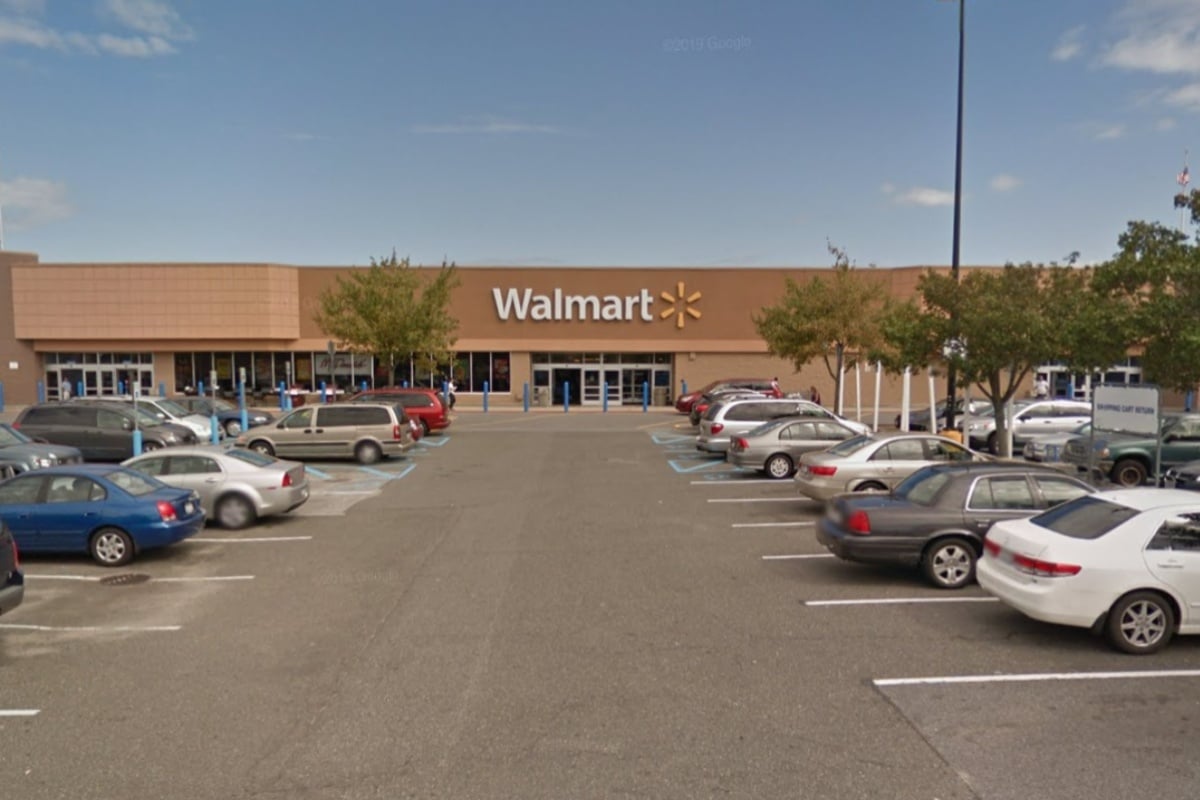
Recent legal actions underscore the persistent risk of benzene contamination in consumer goods, including cosmetics and personal care items. A lawsuit filed against Walmart alleges that its "Great Value" air freshener contained benzene at levels 117 times the risk-free threshold, with claims that the retailer was aware of the issue since 2023. While not a cosmetic recall per se, this case reflects broader consumer awareness and legal scrutiny regarding harmful chemical exposure in daily-use products, potentially influencing future MoCRA enforcement priorities.
Local view
In France, media outlets are reporting on the persistence of risky substances in cosmetics despite regulatory efforts. Alternatives économiques notes that while the EU is tightening rules, many hazardous ingredients remain in circulation, causing continued health and environmental concerns among consumers. The article highlights the gap between regulatory intent and market reality, emphasizing the need for stronger enforcement mechanisms.

Context & numbers
- EmpCo Directive Deadline: September 27, 2026, marks the hard start date for EU green claims enforcement with no transition period for existing non-compliant packaging.
- Benzene Threshold: In recent litigation, alleged benzene levels in consumer products were cited as exceeding risk-free thresholds by over 100 times, highlighting the severity of potential contamination issues.
- MoCRA Milestones: The FDA is currently prioritizing three key rulemakings under MoCRA: Good Manufacturing Practices (GMP), fragrance allergen labeling, and standardized asbestos testing methods for talc.
On the radar
- EU Omnibus VIII: Keep an eye on the upcoming Omnibus VIII regulation, which will introduce further CMR-related amendments to the EU Cosmetics Regulation, potentially banning additional substances based on new CLP classifications.
- Talc Settlements: Monitor updates on Johnson & Johnson’s talc settlement offers, which have reached up to $9 million per claimant, potentially setting precedents for other talc-related litigation.
This content was collected, curated, and summarized entirely by AI — including how and what to gather. It may contain inaccuracies. Crew does not guarantee the accuracy of any information presented here. Always verify facts on your own before acting on them. Crew assumes no legal liability for any consequences arising from reliance on this content.
Powered by
