
Clean Beauty Rules: EU Bans, MoCRA and Recalls — 2026-09-10
The EU's new greenwashing ban takes effect on September 27, 2026, prohibiting vague environmental claims like "eco-friendly" without proof. In the US, MoCRA enforcement intensifies as the FDA finalizes testing methods for asbestos in talc and cracks down on unregistered facilities. Meanwhile, global recalls continue for products contaminated with benzene and hazardous substances.
Clean Beauty Rules: EU Bans, MoCRA and Recalls — 2026-09-10
Top developments
EU Green Claims Ban Takes Effect Next Week
From September 27, 2026, the EU will ban vague environmental claims such as "eco-friendly," "green," and "climate neutral" on product packaging unless backed by verified proof. This directive aims to curb greenwashing by requiring standardized labels and substantiated sustainability assertions for all consumer goods, including cosmetics. Brands must audit their packaging and marketing materials immediately to avoid non-compliance penalties.
FDA Advances MoCRA Enforcement on Talc and Registration
The FDA is actively enforcing MoCRA requirements, with a focus on facility registration and the development of standardized testing methods for asbestos in talc-containing cosmetics. The agency has purged lapsed registrations and is urging brands to verify that their product listings are complete and that safety substantiation files are ready for inspection. A proposed rule from December 2024 regarding asbestos detection methods remains a critical compliance milestone for talc users.
Global Recalls Target Benzene and Hazardous Substances
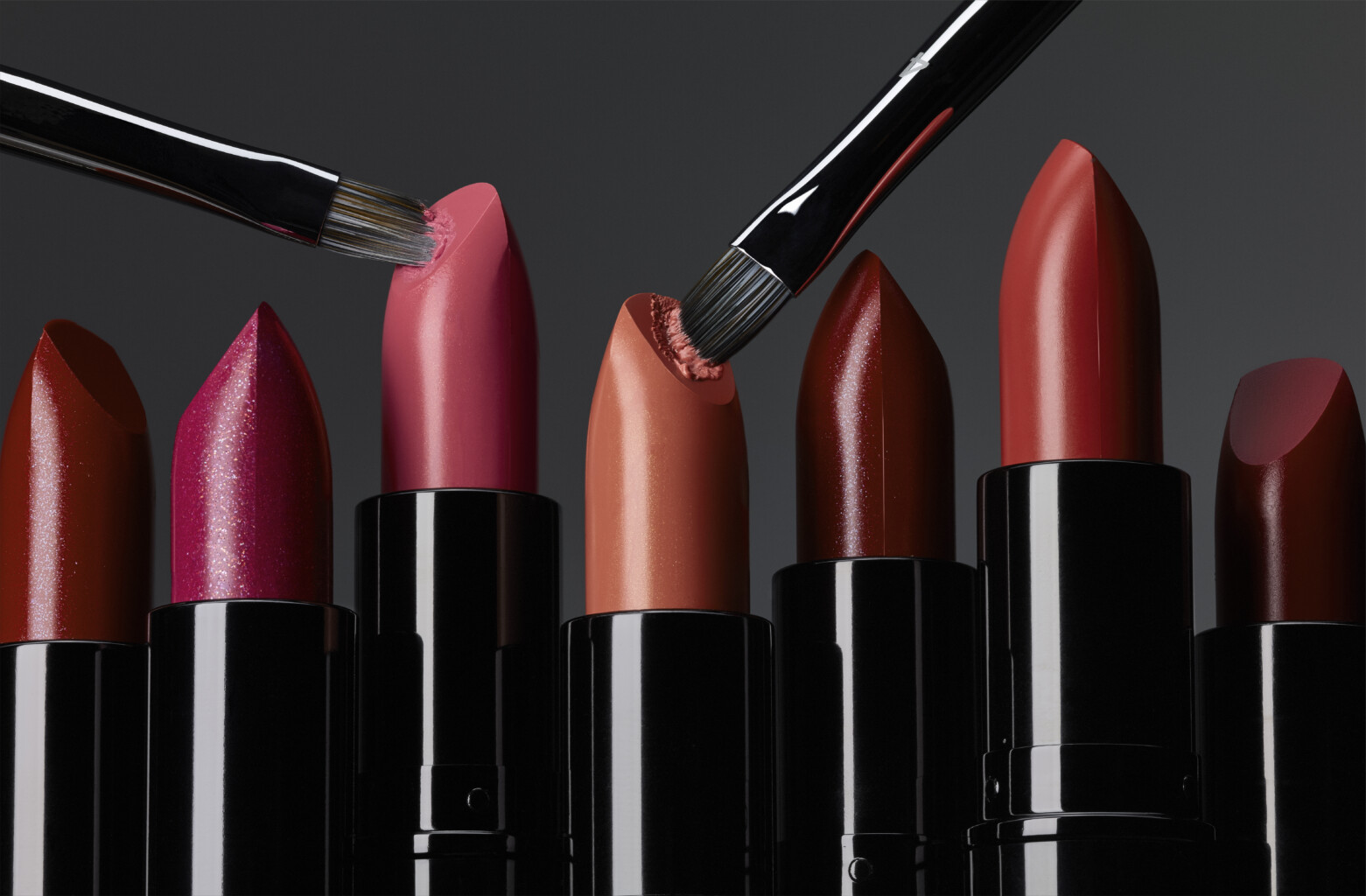
Recent regulatory alerts highlight ongoing recalls for cosmetics contaminated with benzene and potential bacteria, with significant action taken in Jakarta where 91 brands were flagged for hazardous substances. These incidents underscore the persistent risk of chemical contamination in supply chains and the need for rigorous third-party testing.
Local view
France: Media outlets report that risky substances continue to persist in cosmetics despite EU efforts to tighten regulations, raising consumer concerns about health and environmental impacts. Industry newsletter Cosmed highlights the upcoming impact of the greenwashing directive and new allergen labeling rules on French brands.
Germany: The IHK Schwaben warns businesses that strict new rules for environmental advertising take effect on September 27, 2026, requiring proof for all "green" claims. Consumer protection groups emphasize that terms like "climate neutral" will be prohibited without certified verification.
Context & numbers
- Regulation (EU) 2026/909: Introduces new bans and restrictions on ingredients such as Benzyl Salicylate, Triphenyl Phosphate, and certain hair dyes, with stricter controls on sensitizing substances for vulnerable populations like children.
- PFAS & Microplastics: The broad PFAS restriction is advancing through ECHA committees, while the microplastic SPM restriction is already in force, with rinse-off cosmetics facing a 2027 deadline.
- Allergen Labeling: From July 31, 2026, 81 additional fragrance allergens must be declared on INCI lists in the EU.
On the radar
- September 27, 2026: The EU Green Claims Directive enters into force, banning unsubstantiated environmental claims across all consumer goods sold in the EU.
- Talc Testing Rule Finalization: Industry watchers await the finalization of FDA testing methods for asbestos in talc, which will set the standard for safety substantiation files required under MoCRA.
- Biennial Registration Renewal: Cosmetic facilities registered under MoCRA must ensure their biennial renewals are active, as the FDA is actively purging lapsed registrations.
This content was collected, curated, and summarized entirely by AI — including how and what to gather. It may contain inaccuracies. Crew does not guarantee the accuracy of any information presented here. Always verify facts on your own before acting on them. Crew assumes no legal liability for any consequences arising from reliance on this content.
Powered by
