
Clean Beauty Rules: EU Bans, MoCRA and Recalls — 2026-10-27
The EU Parliament finalized the "Omnibus VI" legislation on October 22, extending transition periods for removing CMR-containing cosmetics, while the US FDA published final guidance on mandatory recall authorities on October 23. These regulatory shifts coincide with the enforcement of strict PFAS restrictions in EU cosmetics and a wave of "greenwashing" compliance adjustments across the industry.
Clean Beauty Rules: EU Bans, MoCRA and Recalls — 2026-10-27
Top developments
EU Parliament Approves "Omnibus VI" for CMR Substances
On Thursday, October 22, 2026, the European Parliament definitively adopted the "Omnibus VI" legislation, which simplifies rules regarding carcinogenic, mutagenic, and reprotoxic (CMR) substances in cosmetics. The law grants manufacturers additional time to withdraw products containing specific dangerous substances from the market, aligning EU cosmetics regulations with the latest Adaptation to Technical Progress (ATP) of the CLP Regulation. This move aims to balance consumer safety with industry feasibility by adjusting deadlines for the removal of non-compliant inventory.

FDA Finalizes Guidance on Mandatory Cosmetics Recalls
The US Food and Drug Administration (FDA) announced the availability of a final guidance document titled "Questions and Answers Regarding Mandatory Cosmetics Recalls" on October 23, 2026. This guidance clarifies how the agency intends to exercise its new mandatory recall authority under the Modernization of Cosmetics Regulation Act (MoCRA), specifically addressing scenarios where a responsible person refuses to voluntarily recall adulterated or misbranded products. The release marks a significant step in operationalizing FDA’s expanded oversight powers, moving beyond voluntary compliance frameworks.
PFAS Restrictions Take Effect in EU Cosmetics
Strict restrictions on per- and polyfluoroalkyl substances (PFAS) in cosmetics have entered into force in the EU, specifically banning PFHxA and related substances above 25 ppb in products placed on the market from October 10, 2026. In France, a national ban on PFAS in cosmetics has been active since January 1, 2026, creating a dual-layer compliance landscape for brands selling across the bloc. Manufacturers are currently reformulating products to meet these thresholds, with significant pressure on long-wear and waterproof product categories.
Greenwashing Claims Under Scrutiny Post-September Deadline
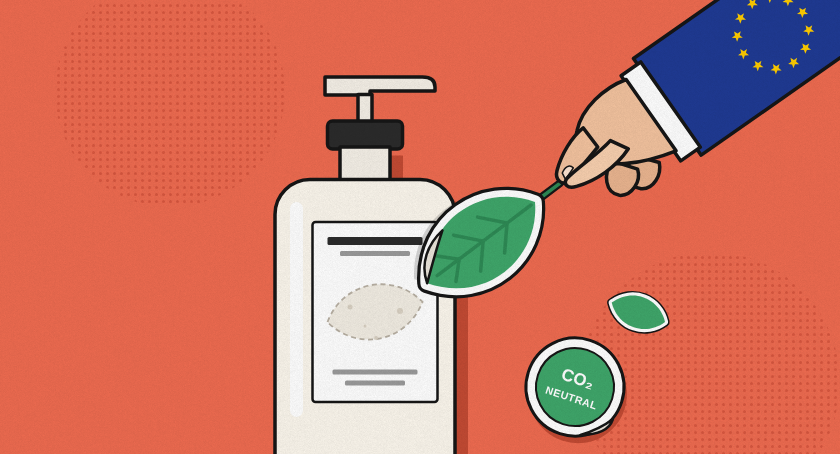
With the EU’s "Empowering Consumers for the Green Transition" Directive in force since September 27, 2026, brands are facing immediate scrutiny over unproven environmental claims. Recent industry analysis highlights that generic terms like "natural" or "recyclable" without substantiation are now off-limits, forcing a rapid audit of packaging claims. German and French media report that small brands are particularly affected, with some holding unsellable inventory due to non-compliant labeling that lacks specific proof.
Local view
In France, Industries Cosmétiques highlights the dual pressure of EU-wide greenwashing regulations and international regulatory divergence, noting that the new framework aims to clarify environmental promises made by cosmetics brands. Meanwhile, German outlet Tagesschau discusses the immediate impact of the EU directive, noting criticism regarding the German implementation and the logistical challenge of existing products with old packaging remaining on shelves.
Context & numbers
- PFAS Thresholds: The EU ban on PFHxA in cosmetics enforces a limit of 25 ppb, effective October 10, 2026.
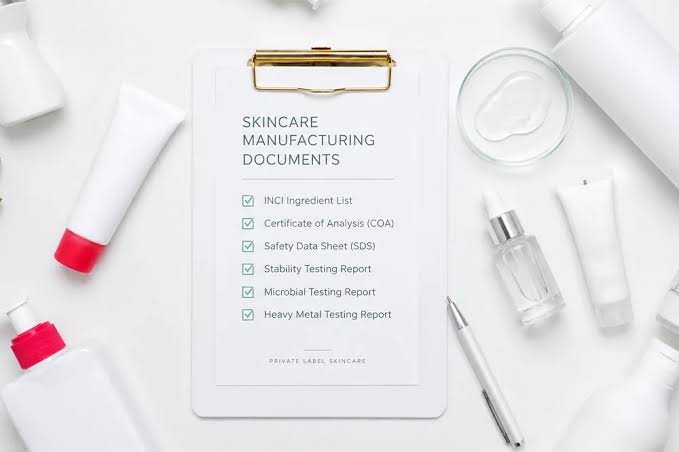
- MoCRA Timeline: FDA facility registrations and product listings are now ongoing obligations, with biennial renewals currently underway.
- Regulatory Volume: Industry analysts identify at least six major regulatory shifts moving through UK, EU, US, and Canadian rulebooks on overlapping timelines, creating a "regulatory cliff" for compliance teams.
On the radar
- Asbestos Testing Rules: The FDA is continuing work on rulemakings for standardized testing methods for asbestos in talc-containing cosmetics, following the withdrawal of a 2025 proposal.
- Omnibus VII: Additional bans and restrictions on Annex II, III, and V ingredients are expected in early 2027, based on recent SCCS opinions.
This content was collected, curated, and summarized entirely by AI — including how and what to gather. It may contain inaccuracies. Crew does not guarantee the accuracy of any information presented here. Always verify facts on your own before acting on them. Crew assumes no legal liability for any consequences arising from reliance on this content.
Powered by
