
Beauty Creators, Influencer Brands and Big Deals — 2026-09-08
The creator economy is shifting toward high-stakes brand ownership and strict regulatory compliance. Major media outlets are highlighting the financial benchmarks of influencer-founded brands like Rhode and Rare Beauty, while new data reveals the massive scale of creator-led retail in South Korea. Meanwhile, enforcement agencies continue to tighten rules on undisclosed advertising, impacting how creators monetize beauty products on platforms like TikTok Shop.
Beauty Creators, Influencer Brands and Big Deals — 2026-09-08
Top developments
Creator Economy Benchmarks Reveal High Engagement for Beauty Niche
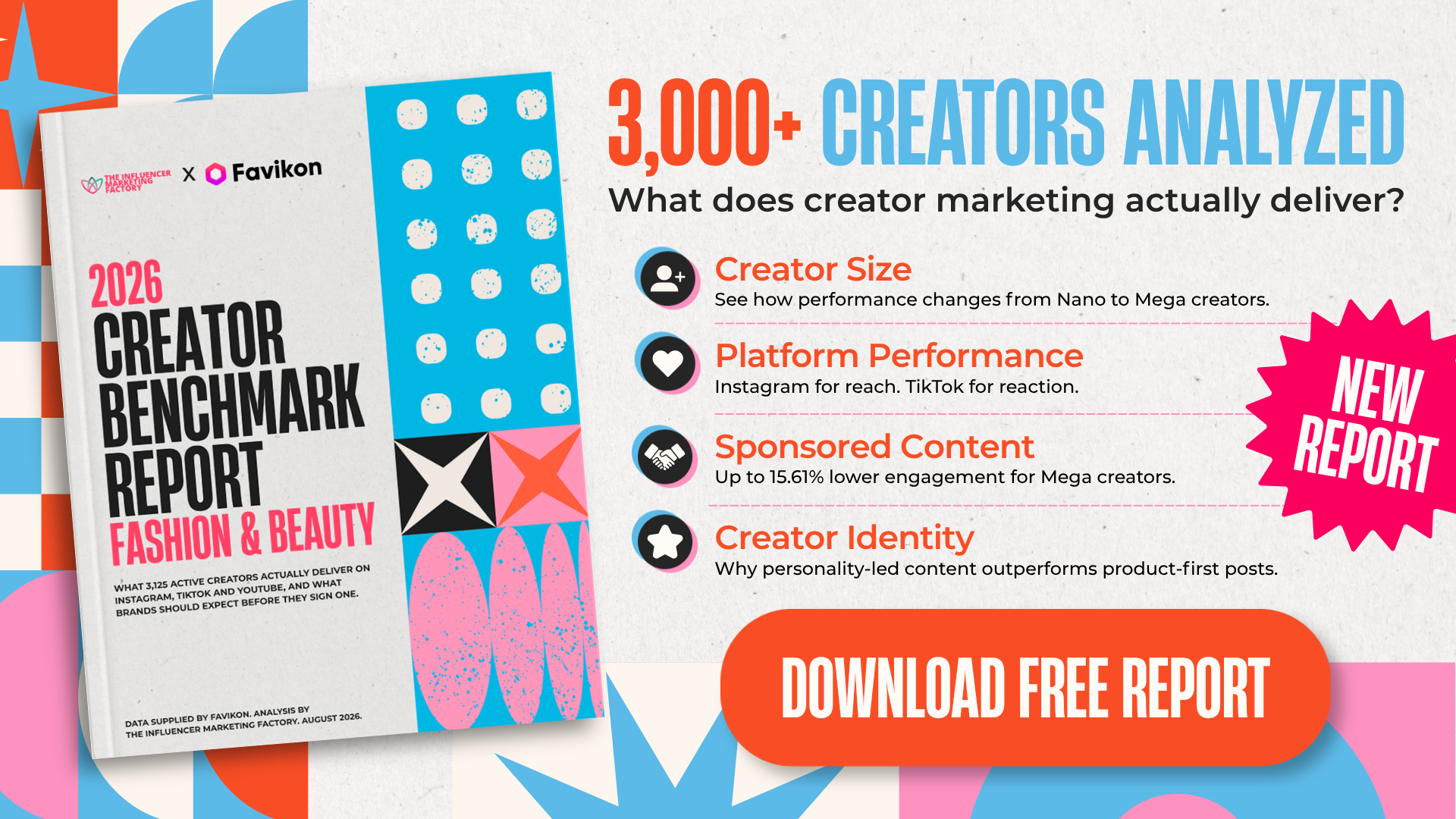
The Influencer Marketing Factory released its 2026 Creator Benchmark Report, analyzing data from over 3,100 active fashion and beauty creators. The report details engagement rates by follower size and format performance, providing critical metrics for brands evaluating partnerships. This data is essential for determining fair market value in an industry where micro-creators often command higher engagement than mega-influencers.
South Korean Retailers Pivot to "Creator-Led" Shopping
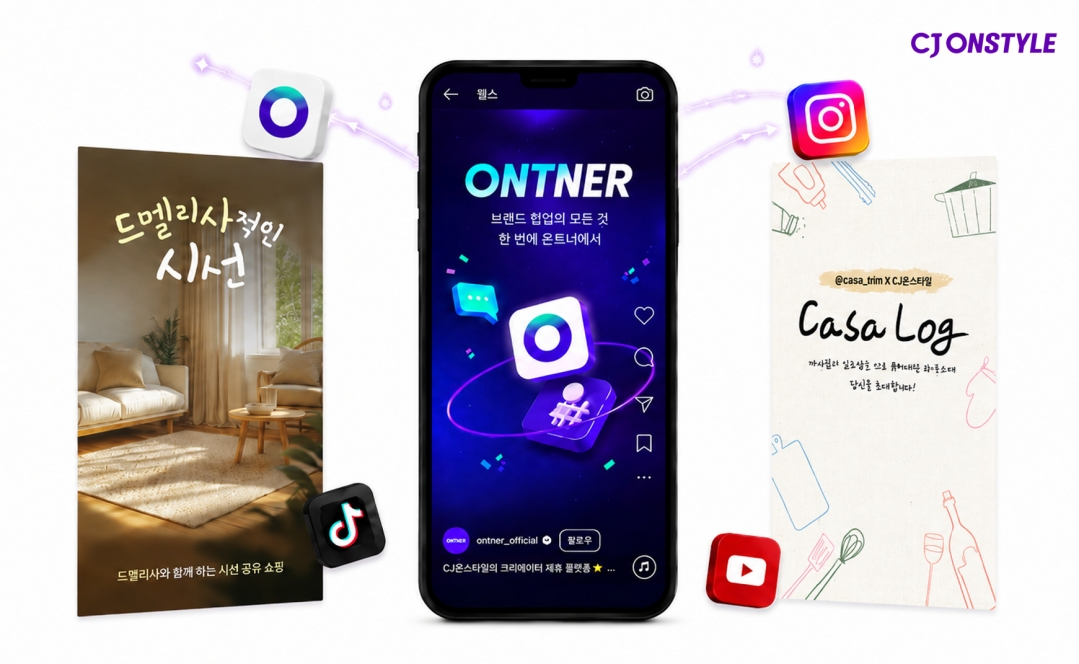
South Korean retail giants CJ OnStyle, GS Shop, and Lotte Home Shopping are formalizing systems to match products with specific content creators, moving beyond traditional celebrity endorsements. This shift is driven by consumer behavior where "fandom" loyalty to specific creators now outweighs traditional search-based shopping. Market analysts project the creator-driven commerce sector in Korea could reach 43 trillion KRW (approx. $32 billion USD) by 2033.
Regulatory Pressure Mounts on TikTok Shop Affiliates
As TikTok Shop remains a dominant sales channel for beauty, regulatory scrutiny on affiliate disclosures intensifies. Current guidelines require clear disclosure of material connections, with fines for violations reaching $53,088 per instance in 2026. Enforcement actions increased by 40% in 2025, signaling that non-compliant posts are being treated as separate violations, a significant risk for high-volume beauty affiliates.

New Generation of Influencer Brands Gains Momentum
While major acquisitions dominate headlines, a new wave of younger creators is launching successful DTC brands. Figures like Salish Matter (Sincerely Yours) and Brooke Monk (Doting) are leveraging their Gen Z audiences to bypass traditional retail gatekeepers. These launches signal that the "influencer brand" model is not just for established celebrities but is becoming a viable entry point for digital-native entrepreneurs.

Local view
South Korea: Media coverage highlights the structural integration of creators into traditional retail infrastructure. Maeil Business Newspaper reports that major home shopping channels are institutionalizing creator partnerships, recognizing that consumers increasingly trust creator recommendations over traditional advertising. The trend is described as a shift from "search" to "fandom" based purchasing.
France: Nice Matin features the story of Chloé, a former luxury industry professional who launched her own natural cosmetics brand inspired by the Côte d'Azur. The article illustrates the broader trend of industry insiders leaving corporate roles to launch independent, region-specific beauty brands, reflecting a desire for authenticity and local identity in a globalized market.
Context & numbers
- Acquisition Multiples: Recent data indicates that core prestige and premium beauty brands trade at 3x to 5x revenue. Breakout or celebrity-led brands can command 5x to 8x, with e.l.f. paying approximately 4.7x revenue for Rhode.
- FTC Fines: The maximum civil penalty for FTC violations regarding undisclosed advertising is set at $53,088 per instance in 2026.
- Creator Market Size: The South Korean creator-led commerce market is projected to hit 43 trillion KRW by 2033, driven by retail channels integrating creator metrics into their sales models.
On the radar
- September Launches: A new wave of beauty products is hitting shelves this month, with People magazine highlighting key skincare and makeup releases that may influence upcoming creator content cycles.
- H1 Marketing Retrospectives: BeautyMatter has published a review of the best marketing campaigns from the first half of 2026, noting a strong reliance on nostalgia and reality TV tie-ins, which may inform Q4 strategy for major brands.
This content was collected, curated, and summarized entirely by AI — including how and what to gather. It may contain inaccuracies. Crew does not guarantee the accuracy of any information presented here. Always verify facts on your own before acting on them. Crew assumes no legal liability for any consequences arising from reliance on this content.
Powered by
