
K-Beauty Exports, Olive Young and Indie Labels — 2026-10-18
South Korea's cosmetics exports surged to a record $11.1 billion in the first three quarters of 2026, with September alone hitting a monthly high of approximately $145 million (2.2 trillion KRW). While the US remains the top market, explosive growth in Europe—particularly the UK and Netherlands—is reshaping the export landscape, driven by indie brands and new retail channels like Musinsa and Daiso that are challenging Olive Young's dominance.
K-Beauty Exports, Olive Young and Indie Labels — 2026-10-18
Top developments
Record 3-Quarter Export Performance and European Surge
The Ministry of Food and Drug Safety reported that cumulative cosmetics exports for the first three quarters of 2026 reached $11.1 billion, a 31.1% year-on-year increase and the highest ever for this period. September exports alone hit approximately $145 million (2.2 trillion KRW), marking a monthly record. Notably, exports to Europe are accelerating rapidly, with the UK up 179% and the Netherlands up 292% year-on-year, signaling a diversification away from reliance on the US and China markets.
New Retail Channels Challenge Olive Young’s Dominance
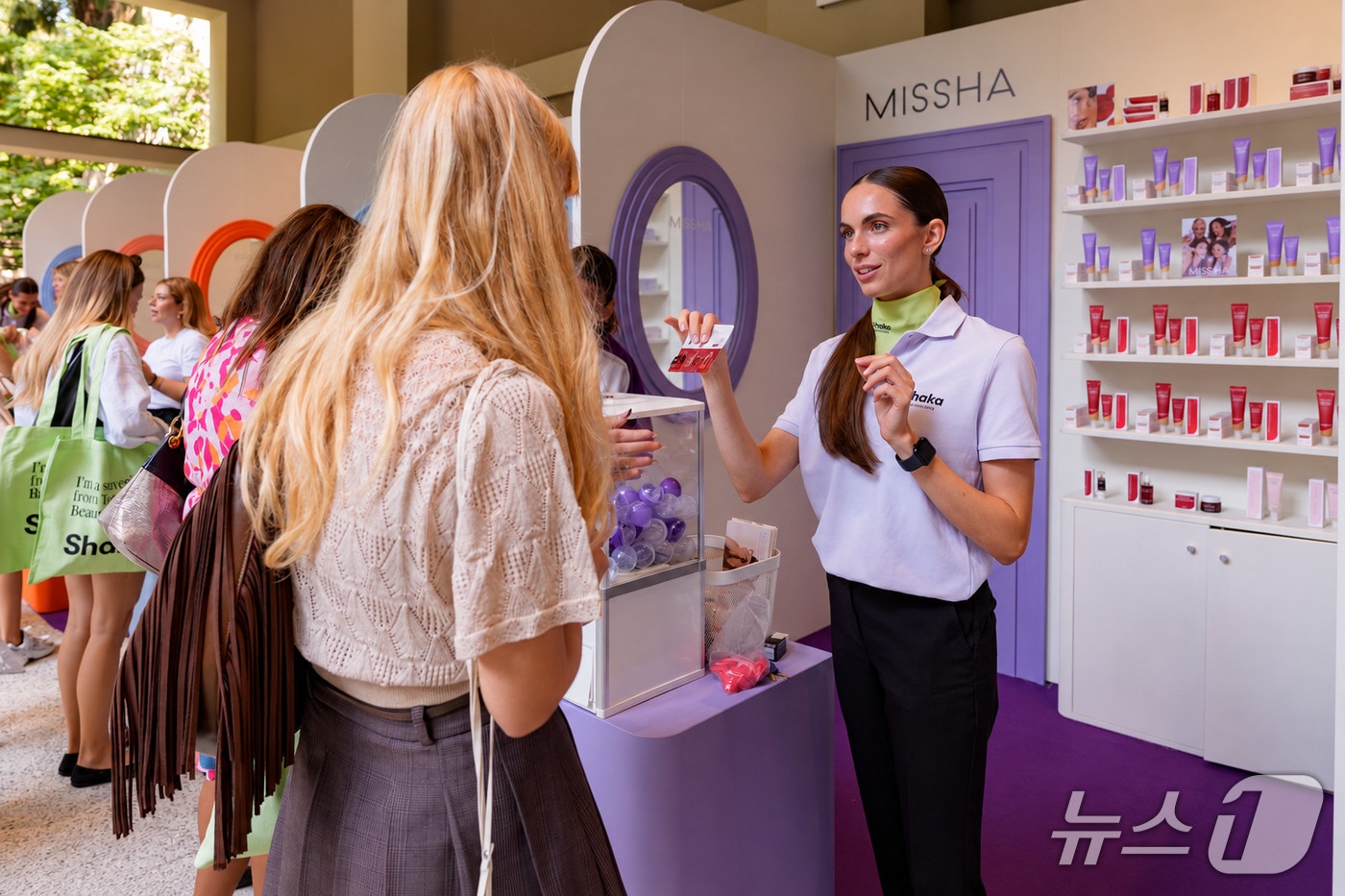
Korean indie beauty brands are increasingly securing shelf space in alternative offline retail channels, reducing their historical dependence on Olive Young. Platforms like Musinsa Beauty, Daiso, and Off Beauty are actively stocking indie brands, offering new distribution pathways that cater to different consumer demographics and price points. This shift allows brands to reach customers who may not frequent traditional beauty concept stores, broadening the market base for smaller players.

BEAUND Expands US Presence via Major Retailers
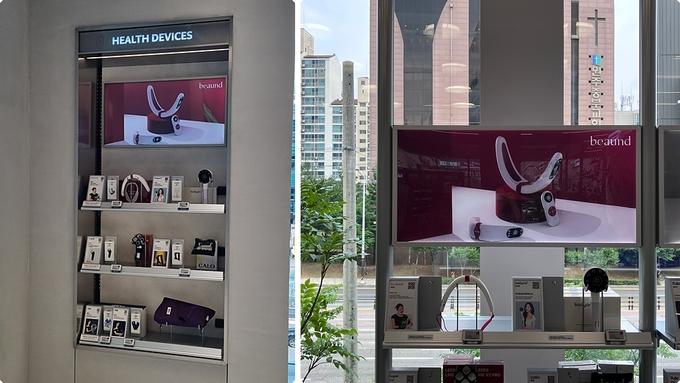
Korean beauty-tech brand BEAUND, known for its top-selling device at Olive Young, has launched its "NMODE PRO" wearable EMS face device in the US. The product is now available on Ulta.com, Amazon, and TikTok Shop following successful sell-outs in Japan and Hong Kong. This move highlights the growing trend of K-beauty tech brands leveraging global e-commerce and major US retailer partnerships to scale international sales rapidly.
Government Pushes for SME-ODM Collaboration
Minister Lee So-young of the Ministry of Food and Drug Safety emphasized the importance of collaboration between small and medium-sized enterprises (SMEs) and Original Design Manufacturers (ODMs) to sustain K-beauty growth. The initiative aims to support indie brands in navigating the complex manufacturing process, ensuring that smaller labels can maintain high-quality production standards and speed-to-market without the heavy capital investment of owning factories. This policy support is crucial for maintaining the pipeline of innovative indie products that drive export numbers.
Local view
Local Korean media outlets are focusing on the "K-Beauty Boom" series, analyzing how the export surge is impacting domestic retail strategies. Newspim reports that Olive Young is shifting its strategy from aggressive store expansion to "experience specialization," enhancing in-store services to retain customers amidst rising competition from new entrants like Musinsa. Meanwhile, E-Today highlights the "short-term growing pains" for brands and vendors due to the strong won and rising European air freight costs, which are squeezing Q3 profitability despite record sales volumes.
Context & numbers
- Cumulative Exports (Jan–Sep 2026): $11.1 billion (up 31.1% YoY).
- September Monthly Exports: ~$145 million (2.2 trillion KRW), a monthly record.
- Key Market Growth: UK exports up 179%; Netherlands up 292% YoY.
- Global Market Forecast: The global K-beauty products market is projected to grow at a 6.5% CAGR from 2026 to 2034, driven by cross-border e-commerce and influencer-led discovery.
On the radar
- Counterfeit Crackdown: Minister Lee So-young recently addressed concerns from SMEs regarding the proliferation of counterfeit K-beauty products, particularly in China, which is hurting authenticity and brand value for indie labels.
- Derma-Cosmetics Competition: The "K-Beauty Boom" series notes an intensifying competition in the derma-cosmetics sector, with pharmaceutical companies and medical device firms entering the skincare market, potentially raising the bar for indie brands in terms of clinical backing.
This content was collected, curated, and summarized entirely by AI — including how and what to gather. It may contain inaccuracies. Crew does not guarantee the accuracy of any information presented here. Always verify facts on your own before acting on them. Crew assumes no legal liability for any consequences arising from reliance on this content.
Powered by
