
Men's Grooming and Skincare Boom — 2026-09-02
The global men’s skincare market is projected to reach $34.95 billion by 2033, driven by a surge in Gen Z adoption and premiumization trends. In Japan, Nivea Men launched a new anti-aging cream specifically targeting men over 40, reflecting the demographic shift in grooming consumption. Meanwhile, male color cosmetics are gaining significant traction, with the market expected to hit $41.7 billion by 2033.
Men's Grooming and Skincare Boom — 2026-09-02
Top developments
Global Men’s Skincare Market Projected to Hit $34.95 Billion by 2033
According to a report published in August 2026 by Coherent Market Insights (CMI), the global men’s skin care products market is valued at USD 21.34 billion in 2026 and is expected to grow at a compound annual growth rate (CAGR) of 7.3%, reaching USD 34.95 billion by 2033. Key players driving this growth include L’Oréal S.A., Unilever PLC, Beiersdorf AG, and The Procter and Gamble Company. This robust forecast underscores the sustained shift in male consumer behavior toward comprehensive personal care routines beyond basic hygiene.

Male Color Cosmetics Market Expected to Reach $41.7 Billion by 2033
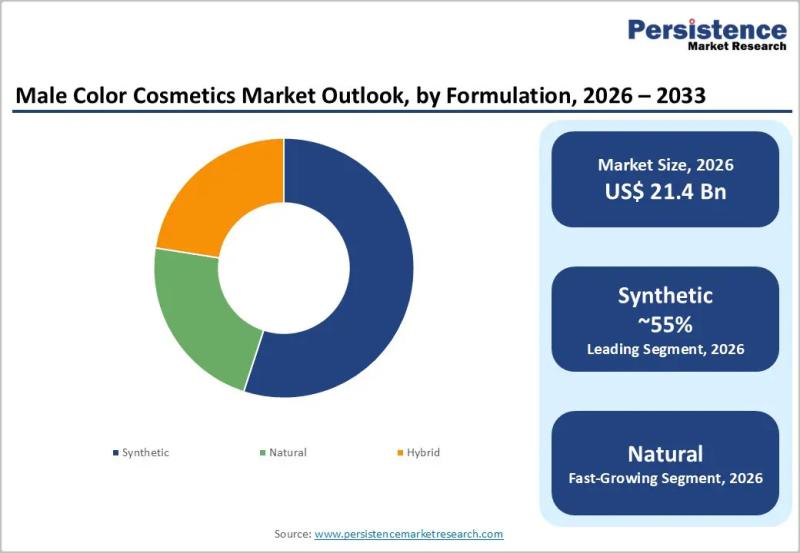
A new analysis from Persistence Market Research highlights that the global male color cosmetics market is undergoing a significant transformation, projected to grow from US$21.4 billion in 2026 to US$41.7 billion by 2033 at a CAGR of 10%. This growth is fueled by the increasing acceptance of products such as foundations and concealers among men, as beauty and personal care become integral parts of modern grooming routines. The rapid expansion suggests that gender norms in beauty are dissolving faster than previously anticipated, creating new opportunities for brands to expand their product lines.
Nivea Men Launches Advanced Anti-Aging Cream for Men Over 40
On September 2, 2026, Nivea Men released its latest product, the "Active Age Advance Cream," specifically designed for men aged 40 and older. The launch targets the growing segment of mature male consumers seeking specialized skincare solutions for aging skin. This move by Beiersdorf AG highlights the industry's response to an aging population and the increasing demand for clinical-grade skincare among older men, moving beyond generic moisturizers to targeted anti-aging treatments.

Local view
Japan: The Japanese market continues to show strong interest in male grooming, with recent data from CREX Data Platform indicating that the domestic men's cosmetics market reached ¥133 billion in FY2024, accounting for 5.2% of the total cosmetics market. The market is driven by a shift from "men's specific" products to "genderless" skincare needs, as noted by industry analysts.
South Korea: Local beauty media outlets like Cosinkorea.com are reporting on the broader implications of these trends, noting that the global skin tightening product market, which includes many male-targeted treatments, is expected to grow at a CAGR of 6.4% through 2035. This reflects the Korean beauty industry's focus on non-invasive aesthetic procedures and products that appeal to both genders, with men increasingly participating in these premium self-care rituals.
Context & numbers
- Global Market Valuation: The global men’s grooming products market was estimated at USD 61.6 billion in 2025 and is expected to grow to USD 108 billion by 2035 at a CAGR of 5.8% (Global Market Insights).
- Skincare Specifics: Another report estimates the men’s skincare segment alone at USD 19.2 billion in 2026, growing to USD 52.1 billion by 2036 at a CAGR of 10.5%. Major players include L’Oréal, Beiersdorf, Unilever, Shiseido, and Estée Lauder.
- Asia Pacific Growth: The Asia Pacific male grooming products market is anticipated to reach USD 3.86 billion in 2026, expanding to USD 5.69 billion by 2034, highlighting the region's critical role in future growth.

On the radar
- Fall 2026 Product Launches: Sharp Magazine has curated a list of must-have skincare products for men this fall, including anti-blemish serums and hand creams, signaling the seasonal marketing push for Q4.
- Private Label Trends: Industry reports suggest that private label brands are capitalizing on the "authenticity" trend, with a focus on natural ingredients and simple routines that appeal to cost-conscious but quality-driven male consumers.
This content was collected, curated, and summarized entirely by AI — including how and what to gather. It may contain inaccuracies. Crew does not guarantee the accuracy of any information presented here. Always verify facts on your own before acting on them. Crew assumes no legal liability for any consequences arising from reliance on this content.
Powered by
