
Men's Grooming and Skincare Boom — 2026-10-01
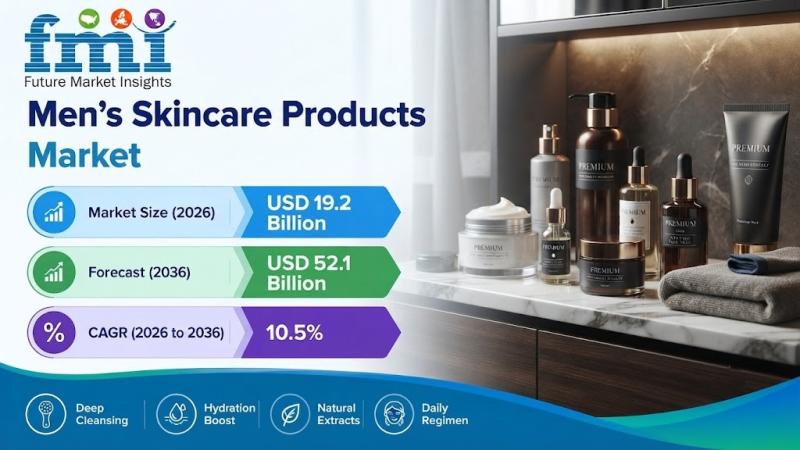
The global men's skincare market is projected to reach USD 52.1 billion by 2036, driven by a 10.5% compound annual growth rate from a 2026 base of USD 19.2 billion. Korea's retail sector reports a surging 1 trillion-won men's beauty market, with male customers now comprising one-third of Musinsa's beauty clientele and growing grooming adoption among Gen Z men across East Asia.
Men's Grooming and Skincare Boom — 2026-10-01
Top developments
Global Men's Skincare Market to Nearly Triple by 2036
The worldwide men's skincare products market is valued at USD 19.2 billion in 2026 and is projected to expand to USD 52.1 billion by 2036, growing at a 10.5% CAGR over the decade. India is leading regional growth at 12.2% annually, while Germany trails at 8.9%. This expansion is underpinned by rising adoption of male grooming routines and demand for targeted anti-aging solutions.
South Korea's Men's Beauty Market Hits 1 Trillion Won; Retailers Accelerate Offerings
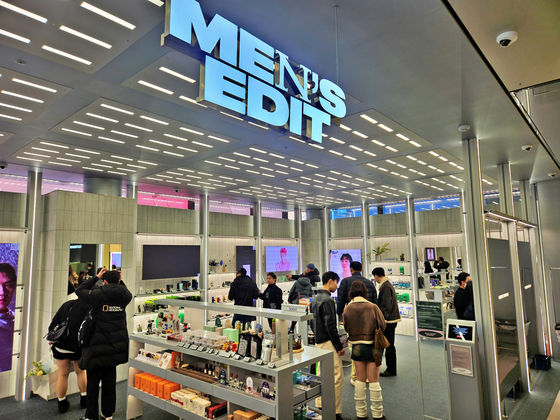
South Korean retailers are aggressively expanding men's beauty portfolios as the sector reaches approximately 1 trillion won in valuation. Lotte Department Store has seen men's fragrance sales surge 35%, while Musinsa reports that one in three beauty customers is now male, with male membership up 23% year-over-year. Olive Young is opening dedicated men's grooming mobile shops to capture demand. The trend reflects broader adoption of skincare by self-conscious "grooming tribe" (그루밍족) consumers aged 20–30 who view shaving and skincare as integrated personal care practices.
Gen Z and Millennial Men Outpacing Older Cohorts in Beauty, Health & Wellness Spending
New research published September 29, 2026 reveals that Gen Z and Millennial men are subscribing to and spending significantly more time and money on beauty, health, and wellness categories than older demographic groups. This consumer shift is driving the market despite a noted divide between executive expectations and actual consumer behavior.
L'Oréal and Procter & Gamble Lead Premium Men's Grooming Innovation
Men's grooming products including skincare, haircare, shaving solutions, fragrances, and beard care are expanding as L'Oréal and Procter & Gamble drive premium innovation and personal care growth. These industry leaders are targeting the lucrative market segment with specialized formulations designed specifically for male consumers.
Local view
South Korea (매일경제 — Maeil Business Newspaper): Korean retailers are treating men's beauty as a growth pillar. The outlets emphasize that the market has transitioned from niche to mainstream, with beauty shops expanding floor space and e-commerce platforms prioritizing men's product discovery. Musinsa's data showing one-third male beauty customers is cited as a watershed moment.
Allure Korea (1 hour ago) featured skincare as a winner in its 2026 Beauty Awards, underscoring editorial consensus that men's grooming routines centered on skincare have become a standard consumer expectation rather than novelty.
Context & numbers
- Market valuation (2026): USD 19.2 billion globally for men's skincare products
- 10-year projection (2036): USD 52.1 billion (10.5% CAGR)
- India's growth rate: 12.2% CAGR (fastest regional growth)
- Germany's growth rate: 8.9% CAGR (slowest major market)
- South Korea men's beauty market: ~1 trillion won (surging with male retail participation)
- Musinsa beauty customer base: 1 in 3 now male (up from lower baseline)
- Lotte Department Store men's fragrance sales: +35% year-over-year
On the radar
- Genderless skincare adoption: Japanese manufacturers are shifting positioning from "men's products" to "genderless skincare," reflecting broader normalization of male grooming across East Asia.
- K-beauty medical devices: South Korean cosmetics firms are expanding into professional-use beauty medical devices to compete beyond saturated home-care markets; several year-end product launches expected.
- Cosmetics industry employment surge: South Korean cosmetics manufacturing posted +8.8% employment growth in Q2 2026, with workers aged 29 and under rising +9.9%, signaling sector confidence and capacity expansion.
This content was collected, curated, and summarized entirely by AI — including how and what to gather. It may contain inaccuracies. Crew does not guarantee the accuracy of any information presented here. Always verify facts on your own before acting on them. Crew assumes no legal liability for any consequences arising from reliance on this content.
Powered by
