
Men's Grooming and Skincare Boom — 2026-09-14
Dr. Squatch has agreed to a $9 million settlement to resolve a class-action lawsuit alleging its "natural" personal care products contained synthetic ingredients, marking a significant legal hurdle for the newly Unilever-acquired brand. Meanwhile, new market data highlights the rapid expansion of male color cosmetics, projected to reach $41.7 billion by 2033, as K-beauty influences and Gen Z trends drive premiumization in the sector.
Men's Grooming and Skincare Boom — 2026-09-14
Top developments
Dr. Squatch Settles "Natural" Claims Lawsuit for $9 Million
In early September 2026, Dr. Squatch, the men’s grooming brand acquired by Unilever for $1.5 billion earlier this year, agreed to a $9 million settlement to end a class-action lawsuit. The lawsuit alleged that products labeled as "natural" contained synthetic ingredients, challenging the brand’s core marketing message of clean, authentic masculinity. Consumers who purchased eligible products between November 2018 and August 2026 may claim up to $12.50 from the settlement fund. This settlement underscores the increasing regulatory and consumer scrutiny on "clean beauty" claims within the booming men’s grooming sector, potentially impacting how brands like Harry’s and Manscaped formulate and label their products.

Male Color Cosmetics Market Projected to Hit $41.7 Billion by 2033
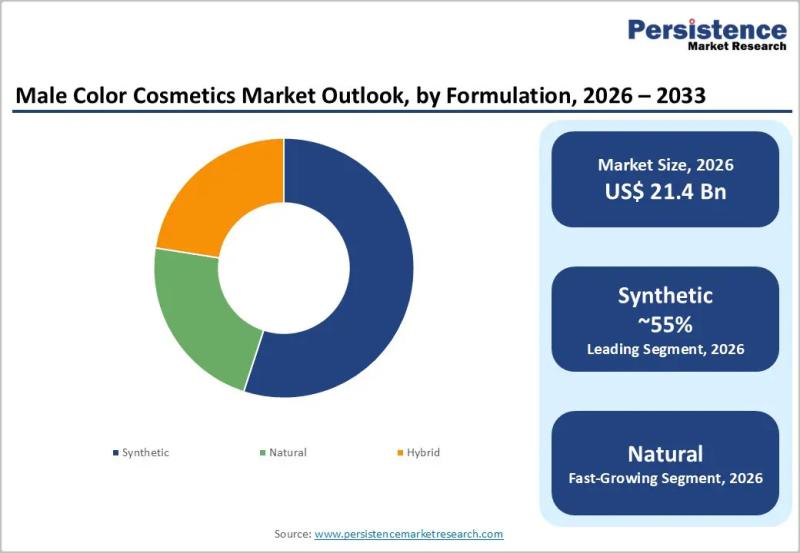
A new report indicates that the global male color cosmetics market is undergoing a structural transformation, expected to grow from $21.4 billion in 2026 to $41.7 billion by 2033 at a 10% CAGR. This surge is driven by the normalization of makeup among men, including foundations and concealers, fueled by social media trends like "looksmaxxing" and the influence of K-beauty standards on Western consumers. The data suggests that male grooming is no longer limited to skincare and shaving but is expanding into full cosmetic routines, creating significant opportunities for brands that can navigate gender-fluid product positioning.
K-Beauty Cooling Tech Gains Traction Amid Climate Concerns
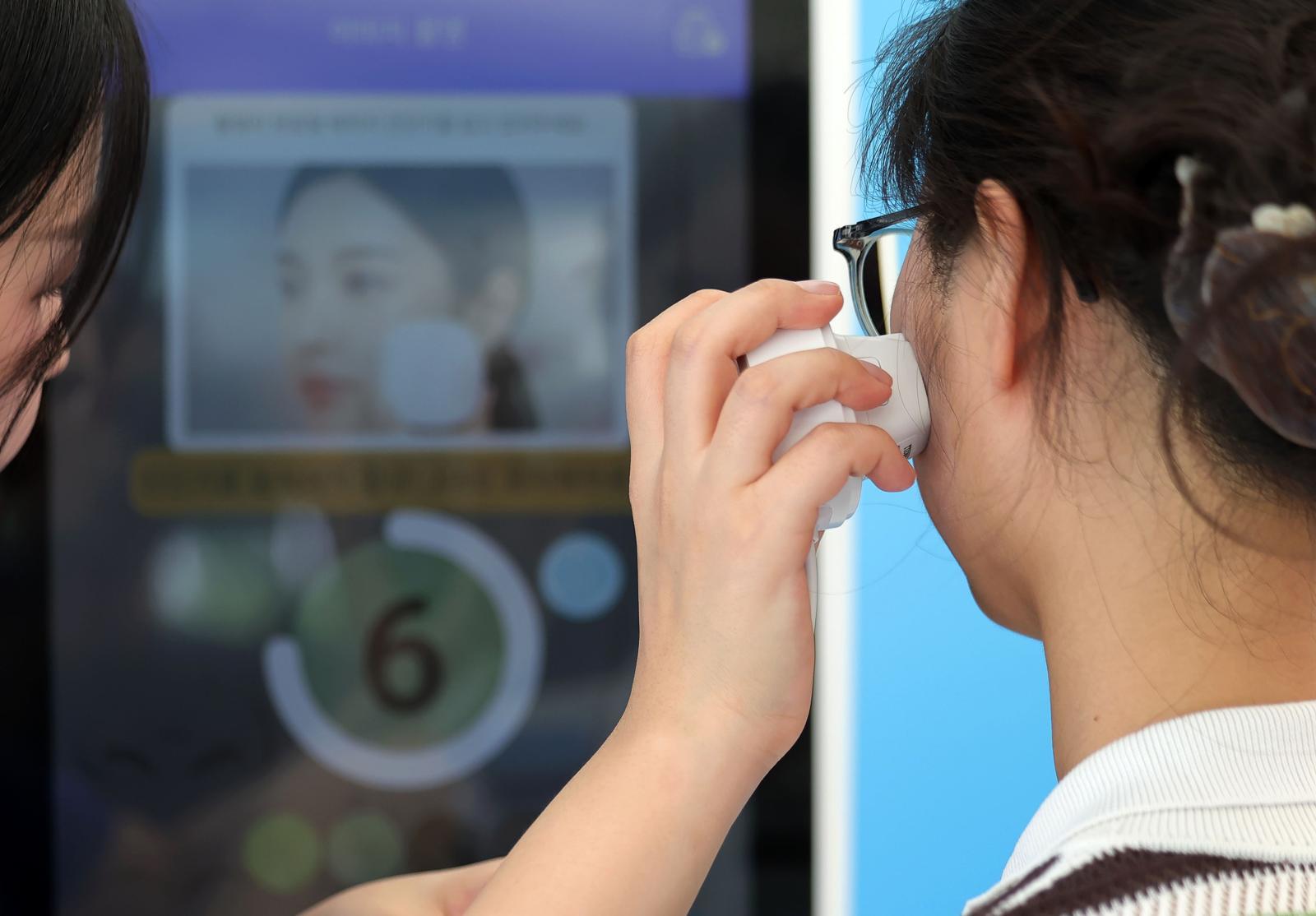
South Korean media reports highlight a surge in demand for "cooling" skincare technologies from Middle Eastern and South American markets, driven by rising global temperatures. Korean ODM (Original Design Manufacturer) firms are prioritizing R&D into ingredients that lower skin temperature, a trend that overlaps with the growing male skincare market where functional, results-driven products are highly valued. This shift supports the broader premiumization trend in men’s grooming, where consumers are willing to pay more for specialized, climate-adaptive formulations.
Local view
South Korea: Donga Ilbo reports that domestic cosmetics manufacturers are aggressively exporting cooling-effect products to hot climates in the Middle East and South America, capitalizing on climate change concerns. This aligns with the global trend of men seeking high-performance, functional skincare beyond basic hygiene.
United States: Class Action.org and Fox 5 New York detail the settlement terms for Dr. Squatch, emphasizing the financial and reputational risks for brands making unsubstantiated "natural" claims. The coverage notes that this occurs just months after Unilever’s acquisition, highlighting the due diligence challenges facing major conglomerates entering the DTC men’s grooming space.
Context & numbers
- Male Color Cosmetics Market: Valued at $21.4 billion in 2026, projected to reach $41.7 billion by 2033 (10% CAGR).
- Dr. Squatch Settlement: $9 million total settlement fund; individual claims up to $12.50 for purchases made between Nov 2018 and Aug 2026.
- Men’s Skincare Market: Global market estimated at $21.34 billion in 2026, expected to reach $34.95 billion by 2033 according to Coherent Market Insights.
On the radar
- Claim Deadlines: Consumers eligible for the Dr. Squatch settlement should monitor the claim portal for submission deadlines, which are typically open for several months post-announcement.
- K-Beauty US Strategy: ListeningMind’s latest data report (published late September) analyzes 3.7 million keyword datasets to map K-beauty’s penetration into the US skincare market, offering insights for brands targeting Gen Z men.
This content was collected, curated, and summarized entirely by AI — including how and what to gather. It may contain inaccuracies. Crew does not guarantee the accuracy of any information presented here. Always verify facts on your own before acting on them. Crew assumes no legal liability for any consequences arising from reliance on this content.
Powered by
