
Men's Grooming and Skincare Boom — 2026-10-12
The men’s personal care sector is experiencing a surge in market valuation forecasts, with the global skincare segment projected to reach $52.1 billion by 2036. Recent industry analyses highlight that post-acquisition integration of high-growth brands like Dr. Squatch is intensifying competition, while consumer behavior shifts toward "genderless" skincare routines are driving demand in both Western and Asian markets.
Men's Grooming and Skincare Boom — 2026-10-12
Top developments
Men’s Skincare Market Projected to Reach $52.1 Billion by 2036
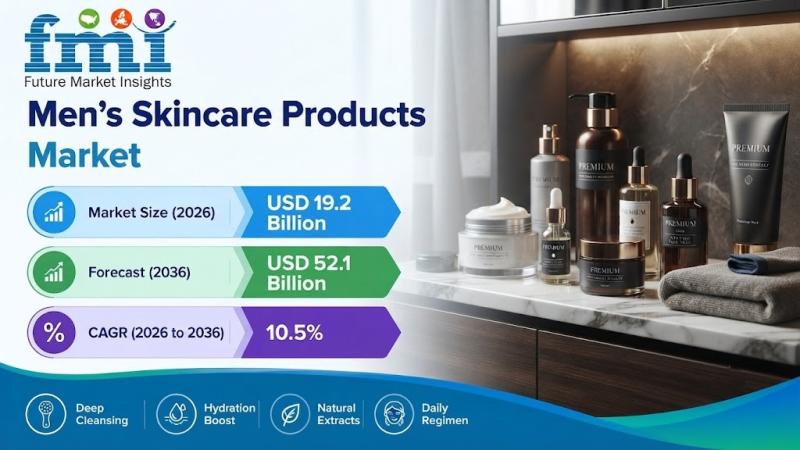
A new report from Future Market Insights projects the global men’s skincare products market will grow from USD 19.2 billion in 2026 to USD 52.1 billion by 2036, expanding at a CAGR of 10.5%. This growth is supported by rising male grooming regimen adoption and increased demand for targeted anti-aging solutions, with India leading country-level growth at 12.2%. The data underscores a structural shift where skincare is no longer niche but a core component of male personal care spending.
Competition Intensifies Following Unilever’s Dr. Squatch Acquisition
Market analysts note that competition in the men’s personal care sector has sharpened following Unilever’s acquisition of Dr. Squatch for approximately €1.243 billion ($1.5 billion). Published on October 5, 2026, this analysis highlights how the integration of this high-growth brand is forcing other major players to accelerate their own portfolio strategies in the premium grooming space. The move signals that large conglomerates are willing to pay significant premiums for brands with strong Gen Z engagement and direct-to-consumer agility.

Male Toiletries Market Driven by Technological Advancements
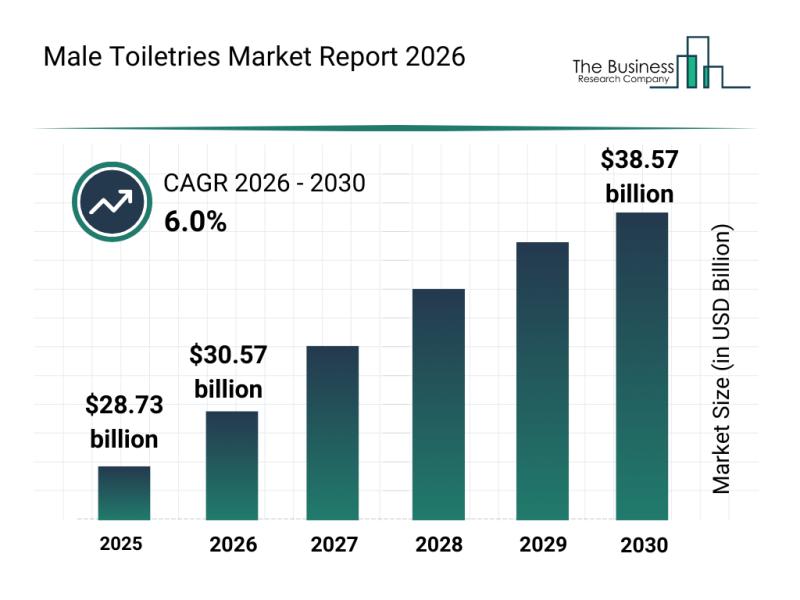
Reports released this week indicate that technological advancements are a primary driver of growth in the male toiletries market. As consumers increasingly embrace sophisticated grooming routines, innovation in product formulation and application devices is creating new revenue streams beyond traditional shaving products. This trend supports robust expansion as manufacturers cater to the growing awareness of personal grooming among men worldwide.
Local view
Japanese Media Highlights "Genderless" Skincare Shift
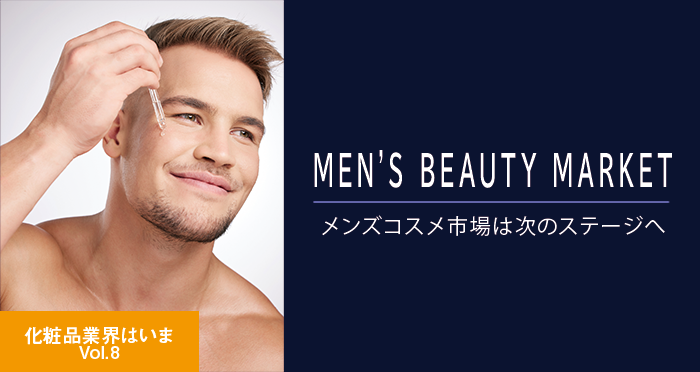
In Japan, industry commentary is focusing on the transition of the men’s cosmetics market from strictly "male-oriented" products to broader "genderless" skincare needs. A recent column by Hanajima Seiman, a cosmetics OEM manufacturer, notes that the market is entering a new stage where gender boundaries in skincare are dissolving, driven by changing social norms among younger demographics. This shift is influencing product development strategies across the region.
Korean Retailers Report Double-Digit Growth in Men’s Beauty
South Korean media outlets such as Maeil Business Newspaper (Maeil Gyeongje) continue to highlight the rapid expansion of the men’s beauty sector, noting that retail giants like Olive Young and Lotte Department Store are seeing significant increases in male customer bases and sales. While specific articles cited in recent searches date to late September, they reflect the ongoing momentum reported in early October coverage, with Lotte Department Store reporting a 35% rise in men’s fragrance sales and Olive Young opening dedicated mobile channels for male shoppers.
Context & numbers
- Global Men’s Skincare Market: Valued at USD 19.2 billion in 2026; projected to reach USD 52.1 billion by 2036 (10.5% CAGR).
- Men’s Skincare Gift Sets: Expected to grow from USD 302.4 million in 2026 to USD 456.3 million by 2036 (4.2% CAGR).
- Dr. Squatch Acquisition: Unilever acquired the brand for $1.5 billion, a key event reshaping competitive dynamics.
On the radar
- Private Label Trends: Industry guides for 2026 suggest private label brands are capitalizing on the boom by offering specialized grooming kits, though specific new launches for late 2026 are still emerging.
- October Cosmetics Trends: General cosmetics trends for October 2026 emphasize personalization and science-backed formulas, which are increasingly being marketed to male consumers seeking effective, results-driven routines.
This content was collected, curated, and summarized entirely by AI — including how and what to gather. It may contain inaccuracies. Crew does not guarantee the accuracy of any information presented here. Always verify facts on your own before acting on them. Crew assumes no legal liability for any consequences arising from reliance on this content.
Powered by
