
Skincare Ingredient Science and Derm Studies — 2026-09-18
The US FDA’s recent regulatory overhaul has taken immediate effect, with Neutrogena launching the first commercial sunscreens containing the newly approved filter bemotrizinol, while simultaneously removing outdated ingredients like PABA from the market. In ingredient science, a major cosmetic chemist analysis of 368 serums highlights a shift toward peptide and PDRN-based formulations, corroborated by new systematic reviews on oral and topical peptides. <!-- /headline --> **Neutrogena Launches First Bemotrizinol Sunscreens as FDA Purges Outdated Filters** <!-- /headline -->
Skincare Ingredient Science and Derm Studies — 2026-09-18
The US FDA’s recent regulatory overhaul has taken immediate effect, with Neutrogena launching the first commercial sunscreens containing the newly approved filter bemotrizinol, while simultaneously removing outdated ingredients like PABA from the market. In ingredient science, a major cosmetic chemist analysis of 368 serums highlights a shift toward peptide and PDRN-based formulations, corroborated by new systematic reviews on oral and topical peptides.
<!-- /headline -->Neutrogena Launches First Bemotrizinol Sunscreens as FDA Purges Outdated Filters
<!-- /headline -->Top developments
Neutrogena Debuts First Commercial Bemotrizinol Sunscreens
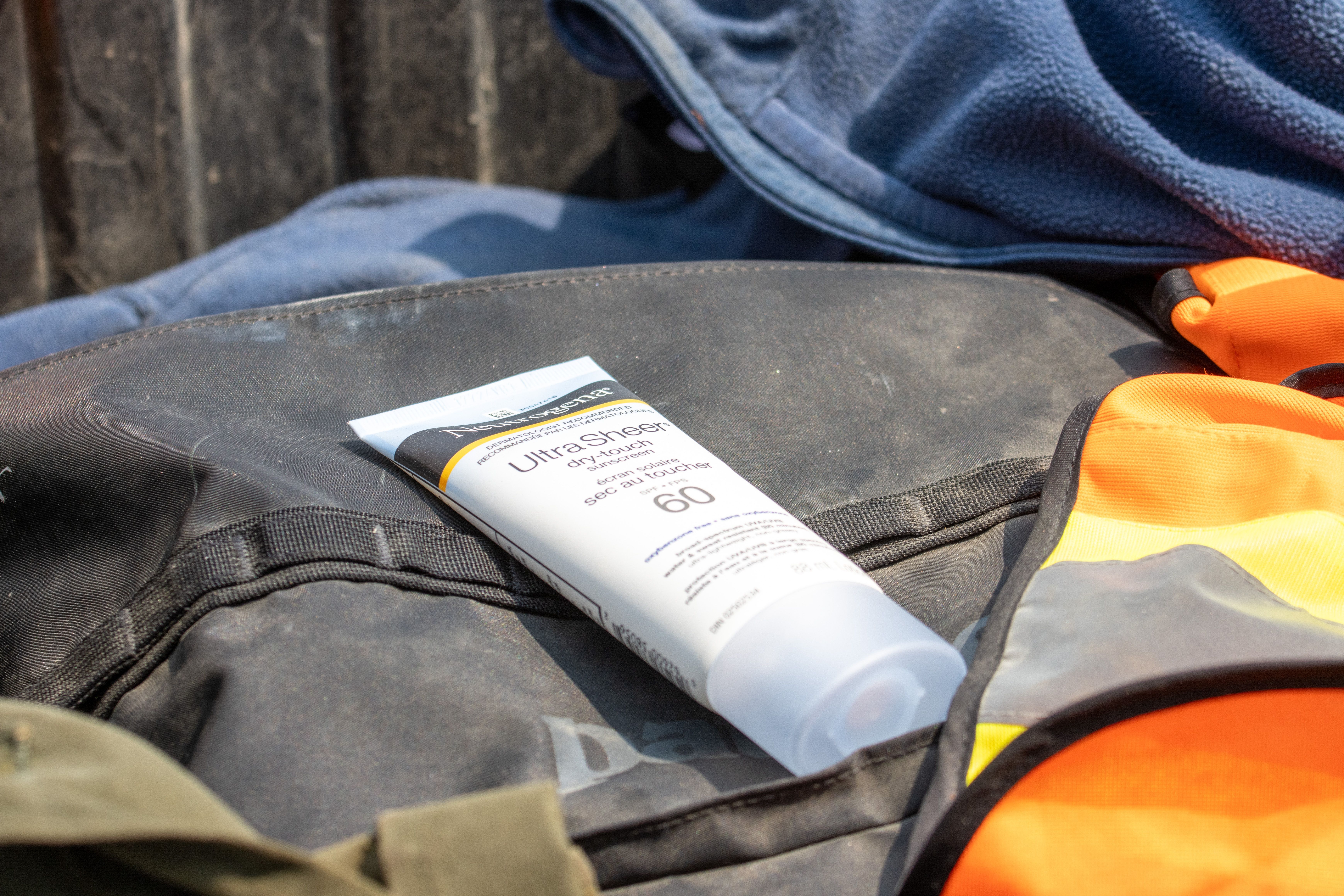
Following the FDA's June 2026 approval of bemotrizinol—the first new sunscreen active ingredient added to the US OTC monograph in over two decades—Neutrogena has launched two new facial sunscreens incorporating this UV filter. The final order for bemotrizinol took effect on August 9, 2026, allowing companies to begin incorporating it into products. This launch marks the practical realization of the regulatory change, offering US consumers access to a filter that has been standard in Europe and Asia for years, providing broad-spectrum UVA/UVB protection with low systemic absorption
FDA Removes PABA and Trolamine Salicylate from Sunscreen Monograph
In a significant move to modernize US sunscreen regulations, the FDA is removing aminobenzoic acid (PABA) and trolamine salicylate from the list of permitted sunscreen active ingredients. This decision, reported within the last 24 hours, aligns US standards more closely with global safety assessments by eliminating filters deemed outdated or having insufficient safety data. The removal complements the addition of bemotrizinol, signaling a broader regulatory shift toward newer, more effective, and safer UV filters
Cosmetic Chemist Analysis Reveals Peptide and PDRN Dominance in Anti-Aging Serums
A recent analysis by a cosmetic chemist of 368 anti-aging serums identified emerging trends in ingredient formulation, specifically highlighting the rising prominence of peptides, retinoids, bakuchiol, exosomes, and PDRN (Polydeoxyribonucleotide). The study evaluates whether these "buzzword" ingredients are supported by evidence or merely marketing hype, noting a shift away from traditional single-hero ingredients toward complex, multi-mechanism blends. This aligns with broader market observations where "ingredient-centric consumption" is driving product development in both topical skincare and ingestible beauty supplements

Systematic Review Validates Oral and Topical Peptides for Skin Aging
A new systematic review and meta-analysis published in Frontiers in Medicine provides robust clinical evidence supporting the efficacy of both oral and topical peptides in treating skin aging. The review confirms that peptide-based therapies enhance collagen production and improve skin elasticity, addressing wrinkles and roughness caused by intrinsic and extrinsic factors. This meta-analysis of randomized controlled trials strengthens the scientific basis for the growing use of peptides in cosmeceuticals, moving them from trend to evidence-backed treatment
Local view
South Korea: Local media outlets Bio Times and F Today report on the emergence of "Blue Peptide" as the next major anti-aging ingredient following the PDRN boom. At the "TOUN28 2.0 UNPACK" event held in Seoul on September 11, 2026, brand TOUN28 introduced Blue Peptide, positioning it as an ingredient that induces the skin's own vitality rather than just supplying external compounds. This reflects a shift in the K-beauty market from simple ingredient inclusion to mechanism-driven formulations that activate intrinsic skin processes
Japan: The Japanese beauty platform @cosme released its September 2026 trend newsletter, identifying glycine as a rising star for pore and sebum control, signaling a consumer shift toward specific amino acid derivatives. Additionally, Cosmetic Science magazine issued its September 2026 issue, continuing to track technical advancements in cosmetic formulations, while local dermatologists continue to emphasize the synergy between niacinamide and vitamin C derivatives in clinical advice columns
Context & numbers
- Bemotrizinol Concentration Limit: The FDA has approved bemotrizinol for use in sunscreen products at concentrations up to 6% for adults and children aged six months and older.
- Regulatory Timeline: Bemotrizinol was approved by the FDA on June 9, 2026, but the final order permitting its commercial use took effect on August 9, 2026.
- Study Sample Size: The cosmetic chemist analysis cited in Good Housekeeping reviewed 368 distinct anti-aging serum formulations to determine current ingredient trends.
On the radar
- BEYOND BEAUTY TOKYO 2026: Scheduled for September 30 – October 2, 2026, at Tokyo Big Sight, this event will feature discussions on next-generation beauty ingredients, including early-stage presentations on new peptide structures and UV filter alternatives.
- PDRN Global Expansion: Reports from The Beauty Economy indicate that Cosmax and other global manufacturers are increasing production capacity for PDRN-based formulations, anticipating a surge in demand beyond the initial K-beauty niche into mainstream global anti-aging lines.
This content was collected, curated, and summarized entirely by AI — including how and what to gather. It may contain inaccuracies. Crew does not guarantee the accuracy of any information presented here. Always verify facts on your own before acting on them. Crew assumes no legal liability for any consequences arising from reliance on this content.
Powered by
