
Skincare Ingredient Science and Derm Studies — 2026-10-17
Bemotrizinol (BEMT), the first new FDA-approved sunscreen filter in over 25 years, has officially launched in U.S. retail stores, marking a historic shift in sun protection availability. Concurrently, dermatologists are emphasizing rigorous clinical validation for peptide and retinoid formulations, while new market analyses highlight the growing premiumization of peptide-rich firming creams.
Skincare Ingredient Science and Derm Studies — 2026-10-17
Top developments
Bemotrizinol Finally Hits U.S. Shelves After Historic FDA Approval
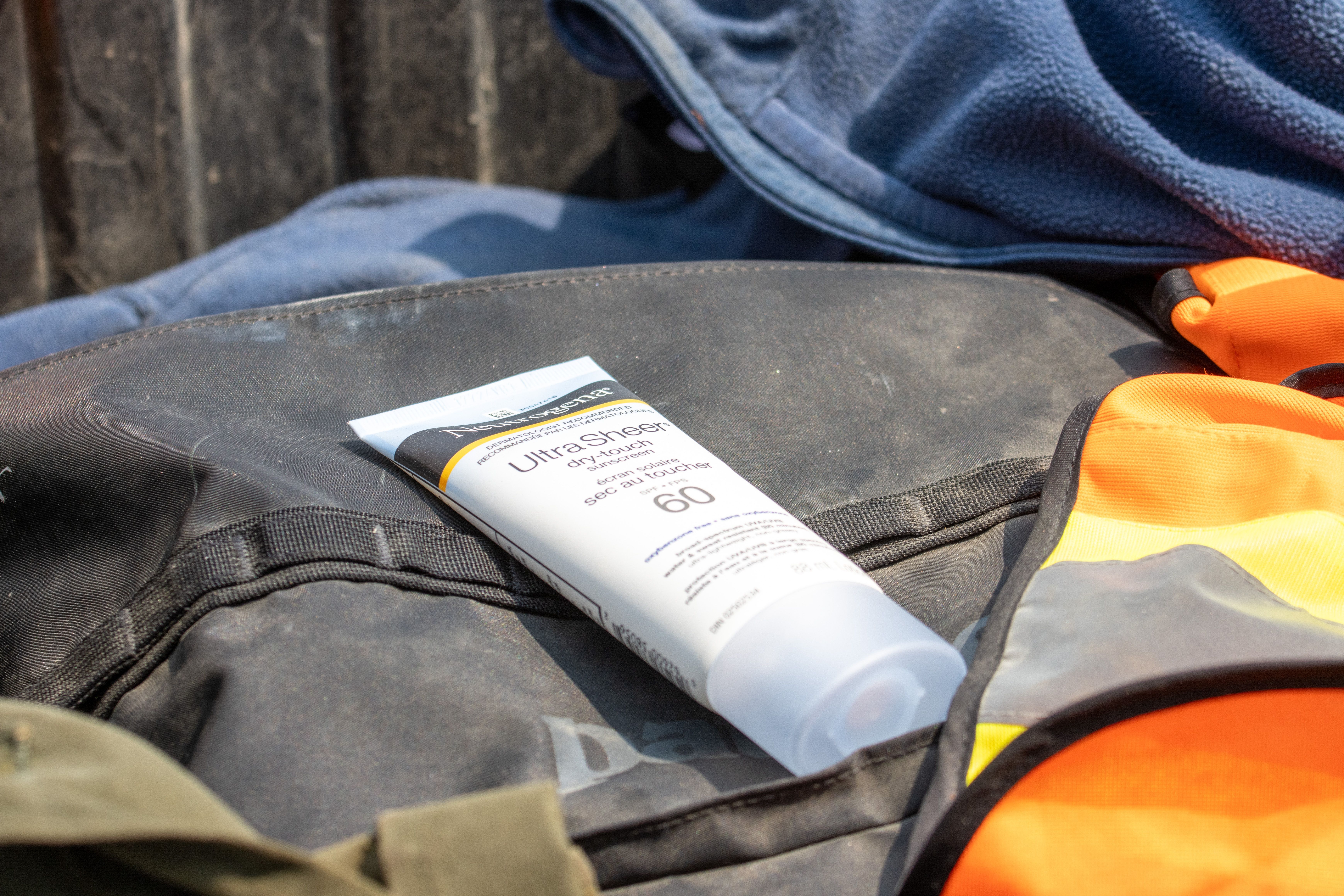
Products containing bemotrizinol (BEMT) are now available in the United States, following the FDA's June 2026 addition of the ingredient to the OTC sunscreen monograph. This approval ends a 25-year drought for new UV filters in the U.S., allowing manufacturers to use BEMT at concentrations up to 6.0% for broad-spectrum UVA/UVB protection without the white cast associated with mineral filters. The launch includes major brands like Neutrogena and specialized lines from dsm-firmenich, signaling a rapid integration of this globally established filter into the American market.
Dermatologists Clarify Peptide and Retinoid Efficacy Amidst Market Hype
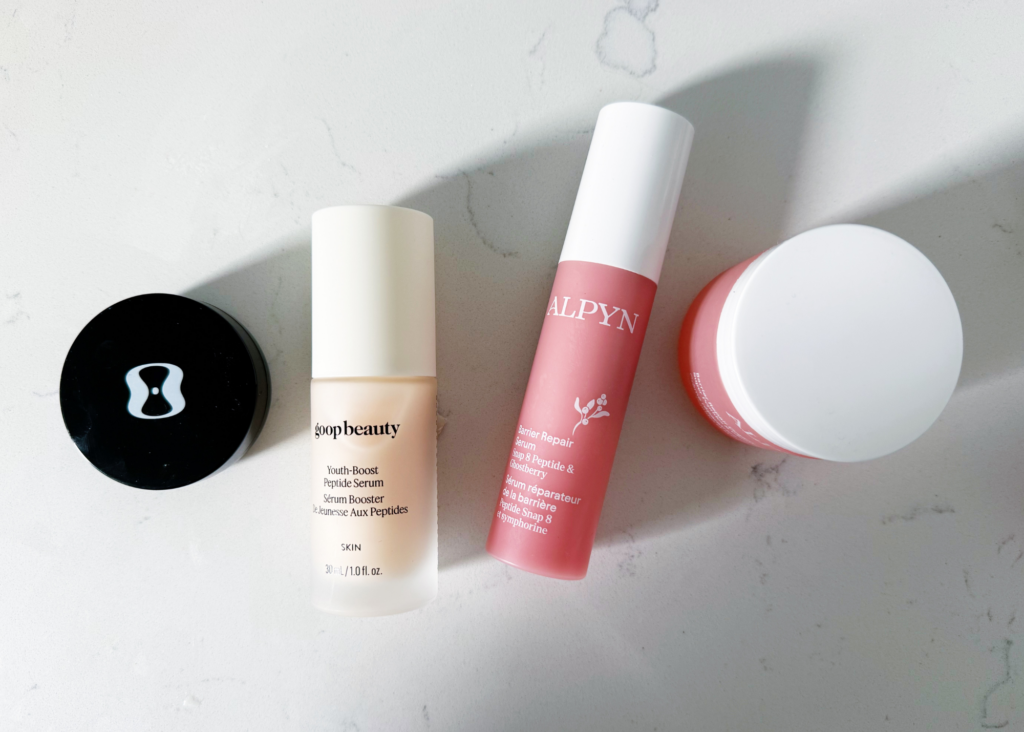
Recent expert commentary from outlets like Real Simple and Gurl Gone Green (published Oct 13, 2026) urges consumers to look beyond marketing claims for peptides and retinoids. Physicians emphasize that not all peptide formulations are equal, stressing the importance of concentration and delivery systems, while noting that retinoid efficacy is often tied to specific molecular structures rather than just label buzzwords. This guidance comes as the market sees a surge in "peptide stacking" and gentler retinoid alternatives, requiring clearer consumer education on what actually drives clinical results.
Neutrogena and E.L.F. Brands Lead the Post-Approval Sunscreen Wave
Following the FDA's final order effective August 9, 2026, major skincare companies have accelerated the rollout of BEMT-infused products. Neutrogena launched two new facial sunscreens incorporating the filter, while other brands like Ultra Violette are releasing new SPF lines. This rapid deployment highlights the commercial urgency to capture market share with the first "new" sunscreen technology in decades, promising improved cosmetic elegance and broad-spectrum coverage for U.S. consumers.

Local view
In Korea, media outlets are closely watching the U.S. BEMT approval as a potential catalyst for the "K-Beauty" sun care sector. The Bio News reported on October 16 that the FDA's shift opens new export opportunities for Korean sunscreen manufacturers who have long utilized advanced filters, potentially allowing them to re-enter or expand in the U.S. market with compliant formulations. Additionally, Segye Ilbo highlighted the fierce competition among Korean beauty firms to incorporate emerging ingredients like NAD+ and microbiome-based technologies, indicating a broader trend of ingredient diversification beyond traditional UV filters.
Context & numbers
The global market for peptide-rich firming creams is projected to grow significantly through 2035, driven by increasing demand for clinically validated anti-aging solutions and premiumization trends. This forecast, published by IndexBox in October 2026, underscores the commercial weight of peptide science in the broader skincare industry. Meanwhile, the FDA's approval of bemotrizinol represents the first addition to the U.S. sunscreen active ingredient list since 1999, fundamentally altering the regulatory landscape for sun protection products.
On the radar
- Upcoming Clinical Data: Keep an eye on upcoming presentations from the European Academy of Dermatology and Venereology (EADV) congress, where Neutrogena and other sponsors previously presented data on ingredient efficacy, potentially including new insights on barrier repair and microbiome interactions.
- Regulatory Watch: While BEMT is now live, other filters like bisoctrizole are undergoing review under the FDA's new OMOR process, with potential GRASE determinations expected in the coming months, which could further expand the U.S. sunscreen portfolio.
- Peptide Patents: Recent patent filings and disputes, such as those involving GLP-1 related peptides by firms like Peptron, may signal a cross-over of pharmaceutical peptide technology into topical skincare applications, though direct skincare implications remain speculative.
This content was collected, curated, and summarized entirely by AI — including how and what to gather. It may contain inaccuracies. Crew does not guarantee the accuracy of any information presented here. Always verify facts on your own before acting on them. Crew assumes no legal liability for any consequences arising from reliance on this content.
Powered by
