
Skincare Ingredient Science and Derm Studies — 2026-09-08
The first consumer products containing the newly FDA-approved sunscreen filter bemotrizinol (BEMT) have officially hit U.S. shelves, marking the end of a 27-year freeze on new UV filters. Meanwhile, Japanese media is highlighting the rapid adoption of retinaldehyde-peptide serums, and Korean industry reports note a shift toward "ingredient-centric" consumption in the inner beauty sector.
Skincare Ingredient Science and Derm Studies — 2026-09-08
Top developments
Bemotrizinol Sunscreens Debut in U.S. Market
The first commercial sunscreen products containing bemotrizinol (BEMT), sold under the trade name Parsol Shield, launched in the United States on August 31, 2026. This follows the FDA's June approval of the filter, which permits use at concentrations up to 6% for adults and children over six months. The debut represents the first time a new OTC sunscreen active ingredient has reached the American market since 1999, closing a significant regulatory gap with Europe and Asia.

Japanese Media Highlights Retinaldehyde-Peptide Synergy
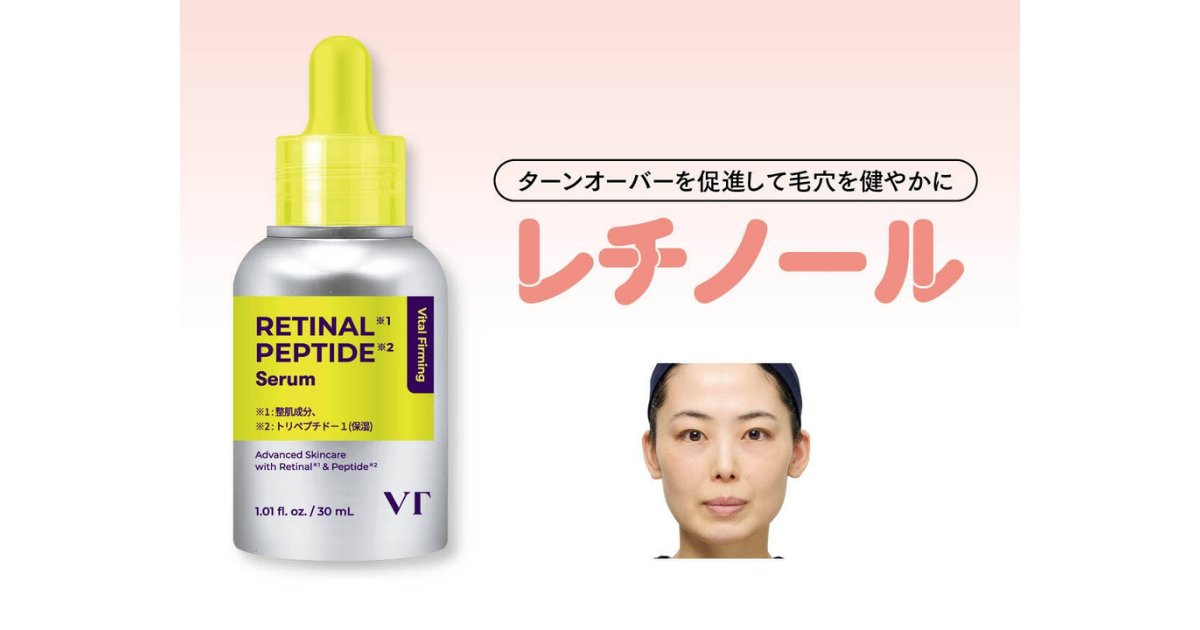
Japanese beauty media, including MAQUIA and LIPS, are intensifying coverage of "retinaldehyde + peptide" formulations, specifically focusing on products like VT Cosmetics' Retinal Peptide Serum. These reports emphasize the combination's efficacy for pore refinement and skin texture, reflecting a growing trend in Japan to move beyond pure retinol toward gentler, faster-acting retinoids paired with peptide technology.
Post-Procedure Skincare Protocols Updated
A new clinical guide published in early September by the Ikebukuro Skin Surgery Clinic details precise timelines for reintroducing active ingredients like retinol and acids after cosmetic procedures. The protocol emphasizes a staged return to actives based on treatment depth and barrier recovery status, addressing consumer confusion about when it is safe to resume anti-aging routines post-laser or injection.
Local view
Korea: Antioxidant Market Growth and Ingredient-Centric Consumption
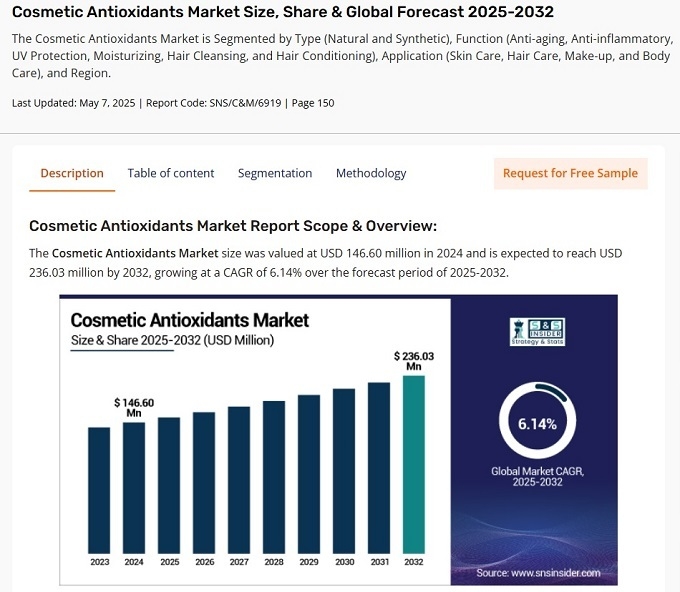
Korea Cosmetics Daily and Cosinkorea report that the global cosmetic antioxidant market is projected to grow at a CAGR of 6%, reaching $236 million by 2032. This growth is driven by demand for ingredients that stabilize formulations against environmental stressors. Simultaneously, Insight Korea notes that K-beauty consumers are increasingly prioritizing specific ingredient lists (such as PDRN and retinol) over general efficacy claims, a trend now extending into the inner beauty supplement sector.
Japan: FDA Approval Explained for General Audience
MyNavi News published a comprehensive explainer on September 7 detailing how the FDA's approval of PARSOL Shield (bemotrizinol) changes the sunscreen landscape in Japan and the US. The article highlights that while this filter has been standard in Europe for decades, its arrival in the US validates its safety profile and may accelerate global harmonization of UV filter standards.
Context & numbers
UV Filter Concentration Limits: The FDA allows bemotrizinol at concentrations up to 6% in OTC sunscreen products.
Market Projection: The global cosmetic antioxidant market is forecasted to reach $236 million by 2032, with an annual growth rate of 6%.
Regulatory Timeline: Bemotrizinol was approved by the FDA in June 2026, with products permitted to enter the market starting August 9, 2026; first major launches occurred August 31.
On the radar
- BEYOND BEAUTY TOKYO 2026: Scheduled for September 30 – October 2 at Tokyo Big Sight, this event will feature a panel on "Next-Generation Beauty Ingredients," likely covering exosomes and advanced peptides.
- SOFW Journal Partnership: Cosmetic Journal Korea (CJK) continues its collaboration with the German SOFW Journal, with the September 2026 issue distributing German research findings to the Korean R&D community.
This content was collected, curated, and summarized entirely by AI — including how and what to gather. It may contain inaccuracies. Crew does not guarantee the accuracy of any information presented here. Always verify facts on your own before acting on them. Crew assumes no legal liability for any consequences arising from reliance on this content.
Powered by
