
Skincare Ingredient Science and Derm Studies — 2026-09-16
This week, the skincare industry is witnessing a significant pivot toward "blue peptides" and advanced PDRN formulations, challenging the dominance of traditional retinoids. Meanwhile, the first consumer products containing the newly FDA-approved sunscreen filter bemotrizinol have officially hit U.S. shelves, marking the end of a 27-year regulatory freeze on new UV filters.
Skincare Ingredient Science and Derm Studies — 2026-09-16
Top developments
"Blue Peptides" Emerge as Next-Gen Anti-Aging Alternative to Retinoids
At the "2026 TOUN28 2.0 UNPACK : THE FIRST BLUE" event held in Seoul on September 11, cosmetic brand Toun28 introduced "blue peptides" as a new anti-aging mechanism. Unlike previous ingredients that focused on simple nutrient influx, this new class of peptides aims to induce the skin's own activation capabilities, positioning itself as the successor to PDRN and retinol in the Korean beauty market

Bemotrizinol Sunscreen Filters Finally Debut in US Market
Following the FDA's approval in June 2026, the first sunscreen products containing bemotrizinol are now available for purchase in the United States as of August 9, 2026. This filter, long used in Europe and Asia, provides broad-spectrum UVA and UVB protection and was approved at concentrations up to 6%. Initial launches include products utilizing dsm-firmenich's Parsol Shield and Ultra Violette’s new SPF line

PDRN Gains Global Momentum Beyond K-Beauty
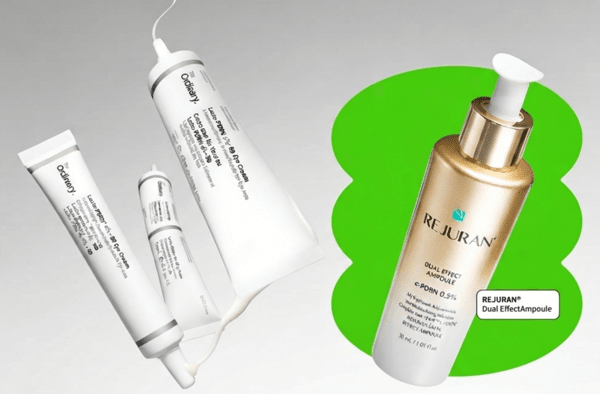
Cosmetic manufacturer Cosmax reported that Polydeoxyribonucleotide (PDRN), originally popularized in K-beauty, is seeing increased interest from global skincare brands as a next-generation anti-aging ingredient. The trend highlights a shift toward ingredient-centric consumption, where consumers prioritize specific active compounds like PDRN and melatonin over brand names alone
Cosmetic Chemist Analysis Reveals Peptide and Exosome Trends
A recent analysis by a cosmetic chemist examining 368 anti-aging serums identified significant trends in the use of peptides, retinoids, bakuchiol, exosomes, and PDRN. The study evaluates the efficacy and hype surrounding these ingredients, providing data-driven insights into which components are delivering measurable results in current market formulations

Local view
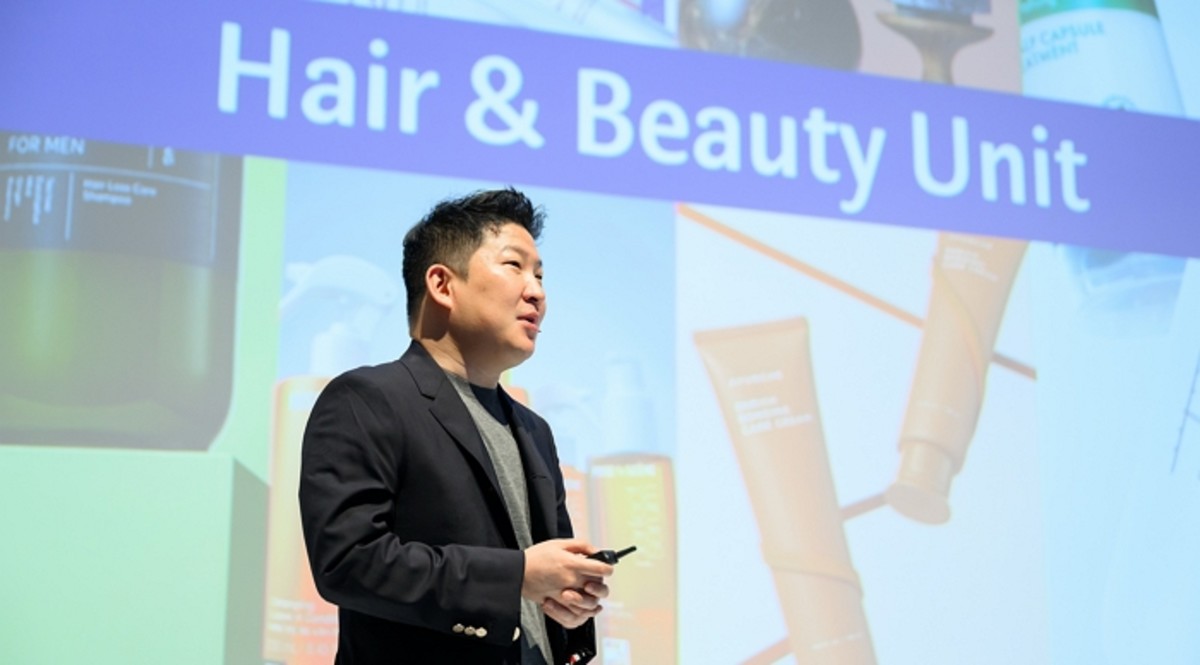
In South Korea, media outlets are closely tracking the transition from PDRN to "blue peptides," with Bio Times noting that the anti-aging mechanism is shifting from "inducing activation" rather than just "influx." F-Today covered the Toun28 launch extensively, highlighting the industry's desire for new scientific narratives beyond the saturated retinol market. Meanwhile, Insight reported that Amorepacific is restructuring its portfolio to focus on derma-beauty and clinical skincare to achieve its 2035 revenue target of 15 trillion KRW, signaling a corporate shift toward scientifically backed ingredient strategies.
Context & numbers
- Regulatory Milestone: Bemotrizinol was added to the FDA's permitted sunscreen active ingredients list in June 2026, becoming effective for commercial use on August 9, 2026. It is the first new sunscreen filter approved in the U.S. in over 20 years.
- Market Strategy: Amorepacific has set a goal of 15 trillion KRW in revenue by 2035, with derma-beauty and clinical skincare identified as key growth engines alongside hair care.
- Ingredient Concentration: The FDA determined bemotrizinol to be generally recognized as safe and effective (GRASE) at concentrations up to 6% for adults and children aged 6 months and older.
On the radar
- September Journal Digests: Dermatologists should review the latest findings from Dermatology Times (published Sept 9, 2026) regarding adverse events associated with cutaneous procedures and narrowband-UVB phototherapy for urticaria pigmentosa.
- Cosmetic Science Journal: The September issue of the Japanese cosmetics research journal Cosmetic Science has been released, featuring ongoing studies on ingredient stability and formulation technologies.
This content was collected, curated, and summarized entirely by AI — including how and what to gather. It may contain inaccuracies. Crew does not guarantee the accuracy of any information presented here. Always verify facts on your own before acting on them. Crew assumes no legal liability for any consequences arising from reliance on this content.
Powered by
