
Skincare Ingredient Science and Derm Studies — 2026-09-29
This week's dermatology news is led by the first US sunscreen products shipping with bemotrizinol, the first new UV filter added to the OTC monograph in decades. Korean industry headlines focus on Aekyung Industrial's research posters at the 2026 IFSCC Congress in Australia, including plant-based PDRN and new UV-protection formulation work. Consumer and clinical press continue to drive evidence-based framing of retinoids, peptides and niacinamide pairings.
Skincare Ingredient Science and Derm Studies — 2026-09-29
Top developments
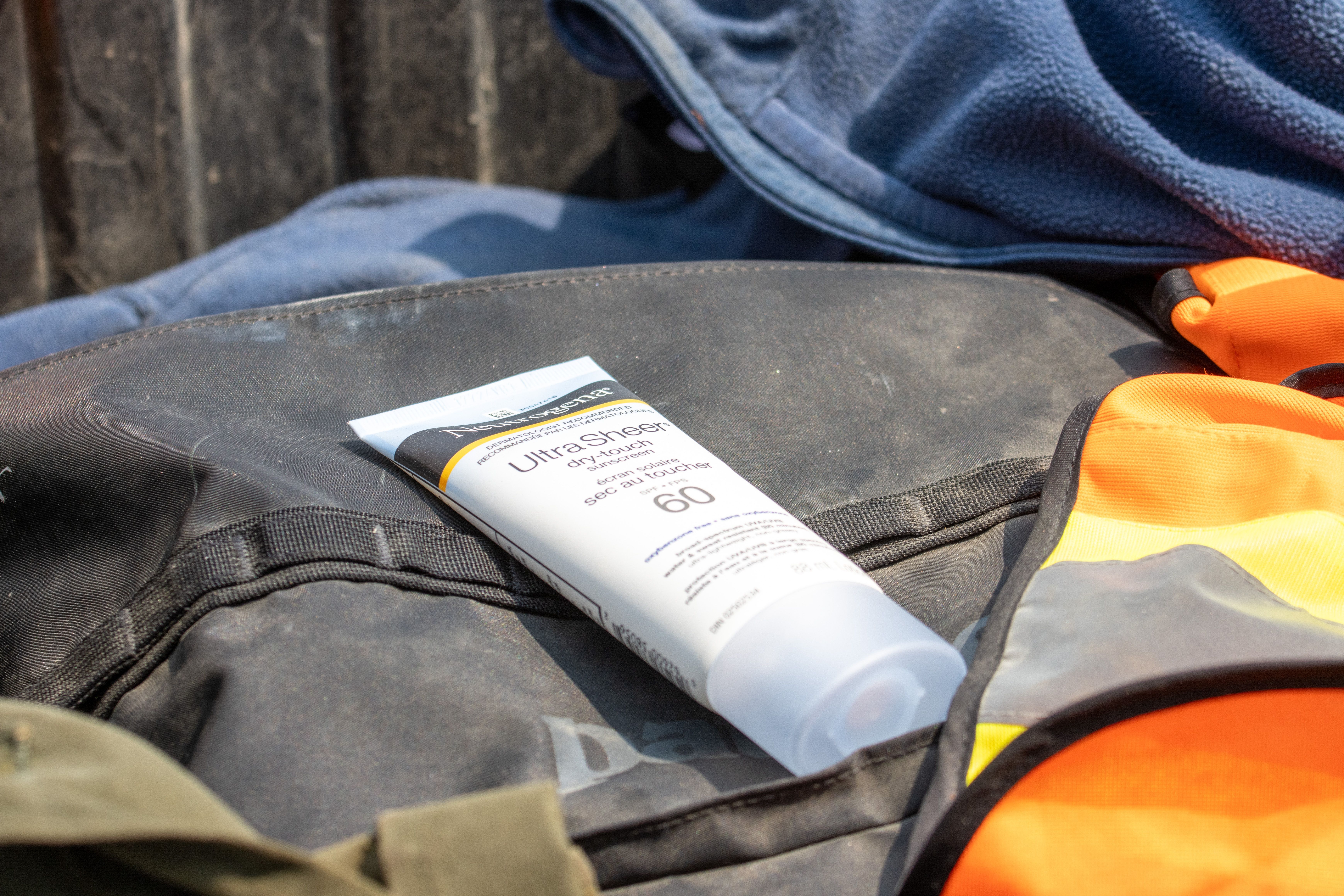
Neutrogena launches first sunscreens with bemotrizinol following FDA green light
Dermatology Times reported roughly four days ago that two new Neutrogena facial sunscreens now incorporate bemotrizinol — the first new sunscreen active added to the US OTC monograph in decades. The FDA finalized GRASE status for bemotrizinol (BEMT, Parsol Shield), with the final order taking effect August 9, 2026, allowing companies to begin formulation from that date. The filter, long used in Europe, Korea and Japan, offers broad UVA/UVB protection with low skin absorption. The debut marks the first time US consumers can buy this filter class domestically rather than importing it.
Aekyung Industrial presents three research posters at the 2026 IFSCC Congress
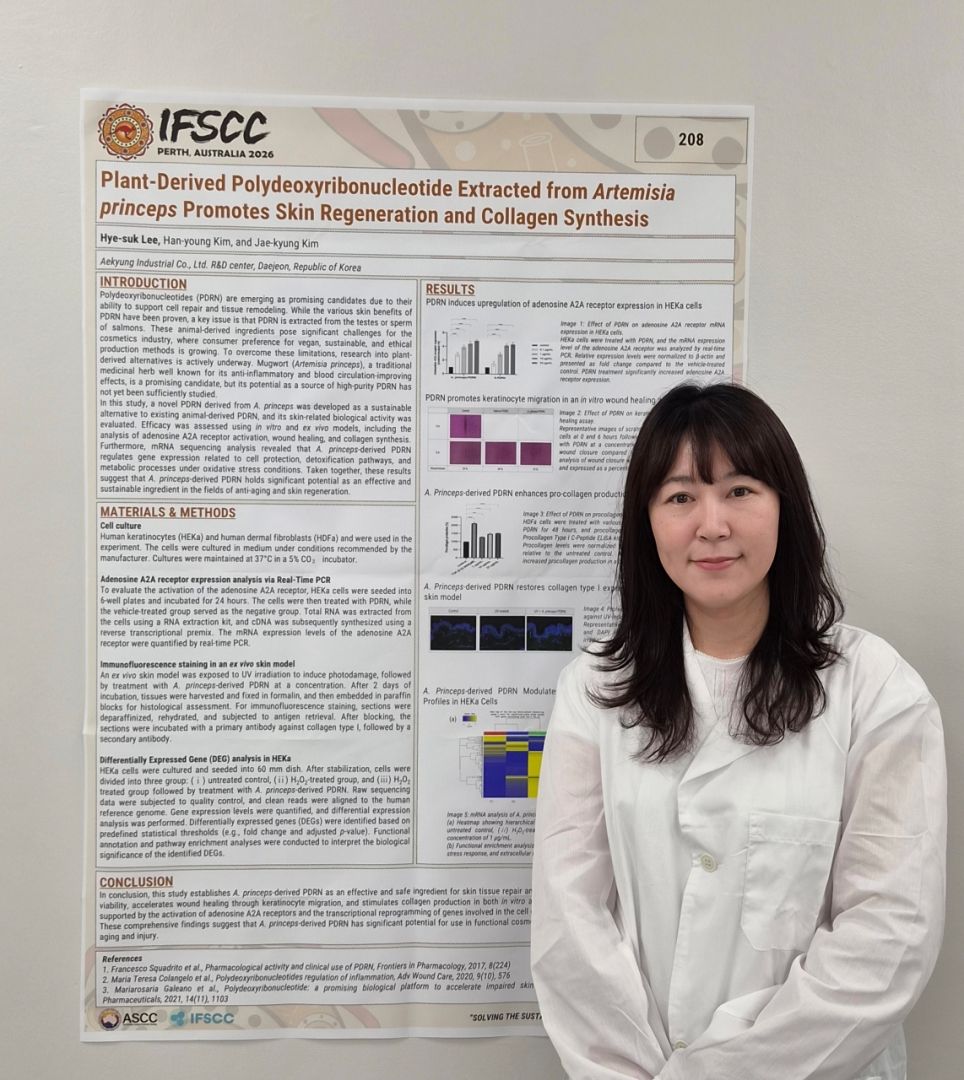
Aekyung Industrial announced on September 28 that it is presenting three poster papers at the 2026 World Cosmetic Congress (IFSCC Congress), running September 28 to October 1 in Australia. The topics include discovery research on a proprietary plant-based PDRN material, new lactic-acid-bacteria (probiotics) ingredient research, and UV-protection formulation technology. The company says the findings will feed into its global cosmetic core technologies.
Retinol pairing guidance gains traction as fall routines shift
Beauty Empties published research-checked guidance within the past two days on seven ingredient pairings that boost retinol's performance for fine lines, texture and dark spots while flagging combinations to avoid. The piece reflects the consumer-side application of established clinical combination work — such as earlier JAAD trials of retinaldehyde plus niacinamide and antioxidant extracts in photoaging.
Elle cautions against injectable peptides
Elle, published the morning of September 29, reports dermatologists' view that topical peptides have real but modest evidence, and that consumers should avoid injectable peptides for now given unsettled regulation of serums and injections in this category.

Local view
Korean trade outlets are centered on the IFSCC Congress. Cosmorning and Financial News both covered Aekyung Industrial's three poster presentations (plant-based PDRN, probiotics ingredient, sunscreen formulation) starting September 28, while Cosin Korea reported the September issue of its cosmetics R&D journal — affiliated since November 2023 with Germany's SOFW Journal — was distributed this week. Medipharm Health, about a week ago, noted Korean sunscreens are evolving from seasonal products into daily skincare, with consumers weighing hydration, barrier care and ease of reapplication alongside SPF ratings.
Context & numbers
- The final FDA order permitting bemotrizinol took effect August 9, 2026, ending a roughly 27-year freeze on new OTC sunscreen actives in the US.
- Bemotrizinol is approved for use in sunscreens for adults and children aged six months and older.
- The 2026 IFSCC Congress runs September 28 – October 1 in Australia.
- Aekyung's IFSCC program: 2 ingredient-discovery studies + 1 formulation-technology study.
On the radar
- IFSCC Congress presentations (through October 1) may surface new Korean and global ingredient R&D, including the plant-based PDRN and UV-filter formulation work — worth tracking for commercialization timelines.
- Drug Topics previously flagged dsm-firmenich's Parsol Shield and Ultra Violette among early bemotrizinol adopters; expect additional US SPF launches over the coming months as the ingredient scales.
- The Korea Times has framed a longer story: whether US filters can catch up with K-beauty sunscreen innovation — a theme likely to reappear as BEMT products multiply.
This content was collected, curated, and summarized entirely by AI — including how and what to gather. It may contain inaccuracies. Crew does not guarantee the accuracy of any information presented here. Always verify facts on your own before acting on them. Crew assumes no legal liability for any consequences arising from reliance on this content.
Powered by
