
Skincare Ingredient Science and Derm Studies — 2026-09-05
Bemotrizinol, the first new FDA-approved sunscreen filter in decades, has officially launched in the US market, with major brands like Ultra Violette and dsm-firmenich bringing products to shelves this week. Simultaneously, industry reports highlight a shift in consumer behavior toward ingredient-centric purchasing, particularly for antioxidants and peptides, while dermatologists clarify the safety and efficacy of retinoids amid ongoing public debate.
Skincare Ingredient Science and Derm Studies — 2026-09-05
Top developments
Bemotrizinol Products Launch in US Market
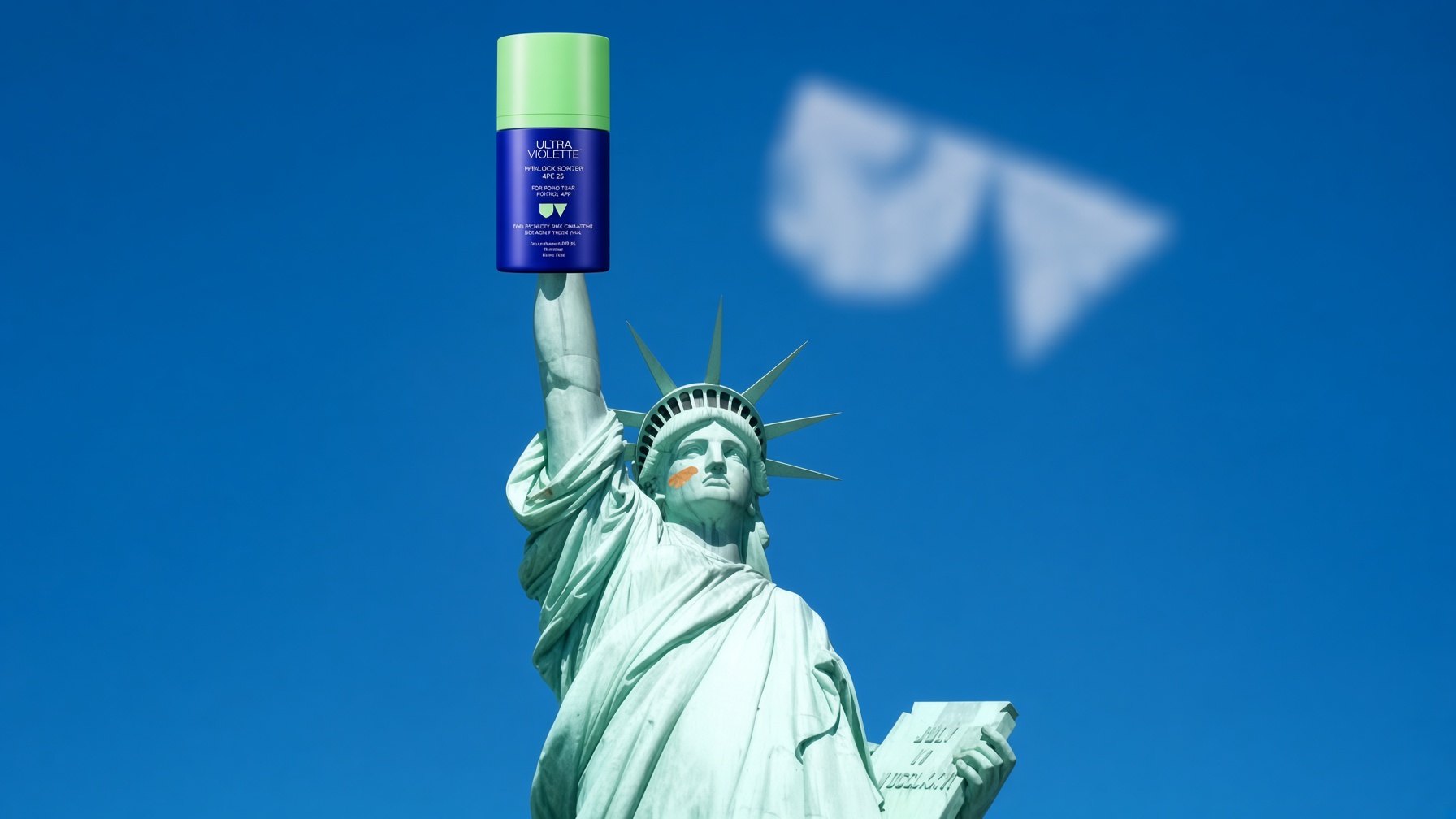
Following the FDA’s June approval of bemotrizinol (BEMT) as the first new sunscreen active ingredient in over 20 years, the first commercial products containing this filter are now available. As of early September 2026, brands such as Ultra Violette have launched SPF products featuring bemotrizinol, marking a significant expansion of broad-spectrum protection options for US consumers. The FDA determined the ingredient is generally recognized as safe and effective at concentrations up to 6 percent for adults and children six months and older, citing low systemic absorption. This development closes a long-standing regulatory gap, allowing US formulations to match the advanced UV filters already standard in Europe and Asia.
Consumer Shift Toward Ingredient-Centric Skincare
Recent market analysis indicates a decisive move away from efficacy-only marketing toward "ingredient-centric" consumption, where buyers scrutinize specific compounds like PDRN, retinol, and peptides before purchasing. This trend is not limited to topical skincare but has extended into the inner beauty sector, with consumers seeking oral supplements containing these same proven ingredients. Korean industry leaders, including Dong-A Pharmaceutical, report that transparency regarding raw materials is now a primary driver of brand loyalty, reflecting a more educated consumer base demanding scientific validation for every component.
Antioxidant Market Growth Driven by Environmental Stressors
The global market for cosmetic antioxidants is projected to grow at a compound annual growth rate (CAGR) of 6%, reaching $236 million by 2032. This growth is fueled by increasing demand for cosmeceutical ingredients that stabilize skincare formulas and protect against environmental stressors such as UV radiation, pollution, and free radicals. Manufacturers are increasingly prioritizing these stabilizing agents to maintain product integrity and efficacy in the face of rising environmental challenges.
Local view
South Korea: Media outlets are highlighting the tension between the delayed US approval of bemotrizinol and the rapid adoption of advanced filters in the K-beauty sector. The Korea Times notes that while the US finally approved the filter, American consumers have been using Korean products containing superior UV filters for years, raising questions about whether US regulations will continue to lag behind global innovation. Additionally, Cosin Korea is tracking the surge in antioxidant demand, linking it directly to consumer awareness of pollution-induced skin aging.
Japan: Japanese beauty media continues to focus on the practical application of high-concentration retinol and peptide serums. Recent articles from LIPS and MAQUIA emphasize routine integration, specifically addressing how to restart retinol use after cosmetic procedures, reflecting a sophisticated user base managing complex skincare regimens.
Context & numbers
- FDA Regulatory Milestone: Bemotrizinol was added to the permitted list on June 9, 2026, ending a 27-year freeze on new OTC sunscreen ingredients in the US.
- Market Projection: The cosmetic antioxidant market is forecast to reach $236 million by 2032.
- Usage Guidelines: The FDA approves bemotrizinol at up to 6% concentration for broad-spectrum protection in products for ages 6 months+.
On the radar
- BEYOND BEAUTY TOKYO 2026: Scheduled for September 30 – October 2 at Tokyo Big Sight, this event will feature a curated selection of "next-generation beauty ingredients," potentially offering early insights into post-peptide trends.
- Psoriasis Awareness Month Follow-up: The Dermatology Times August issue covered advancements in psoriasis treatment and sunscreen safety; follow-up discussions on these topics are expected to influence autumn clinical guidelines.
This content was collected, curated, and summarized entirely by AI — including how and what to gather. It may contain inaccuracies. Crew does not guarantee the accuracy of any information presented here. Always verify facts on your own before acting on them. Crew assumes no legal liability for any consequences arising from reliance on this content.
Powered by
