
Skincare Ingredient Science and Derm Studies — 2026-09-27
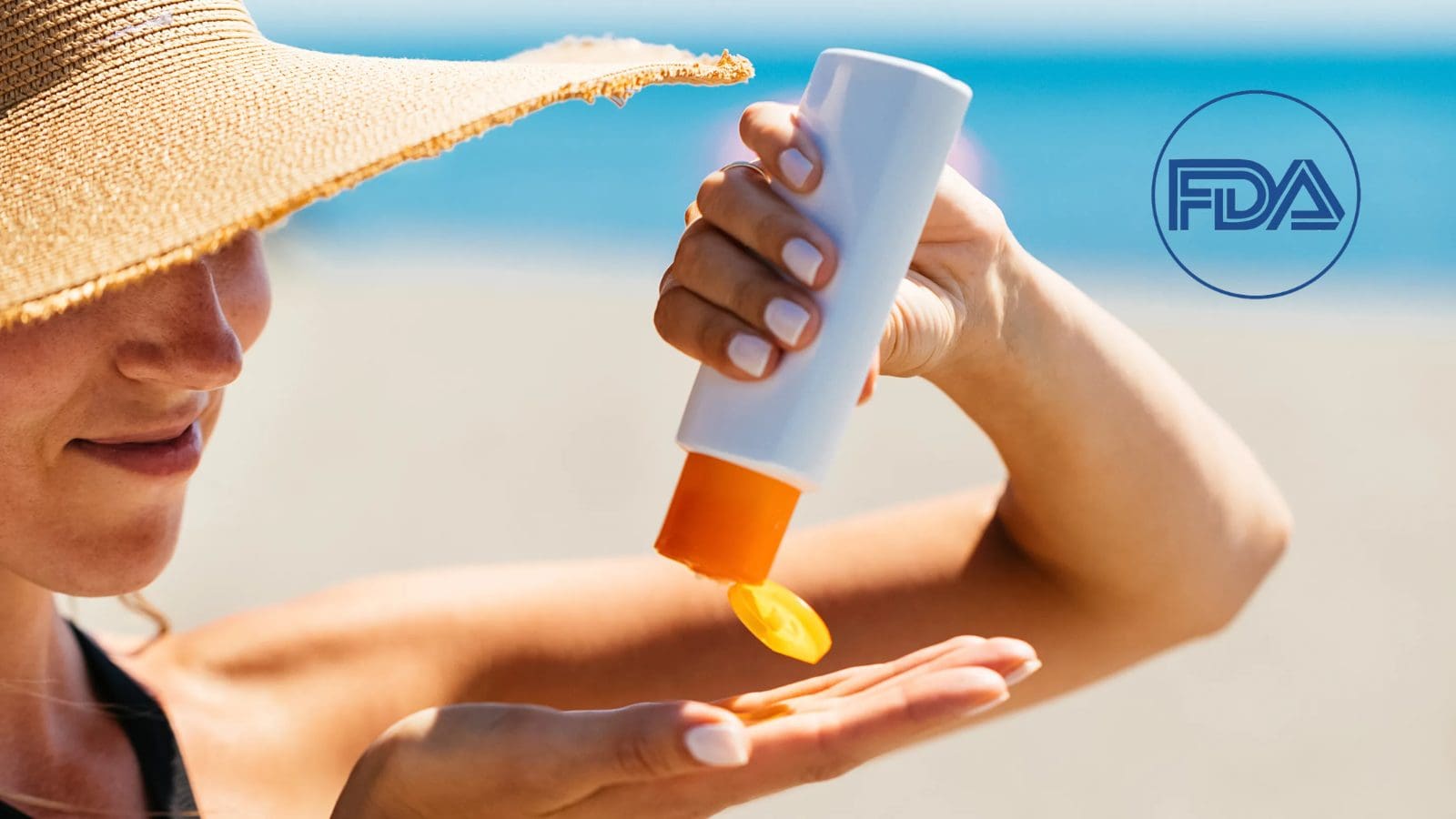
This week's headline news in dermatology and skincare ingredient science centers on the FDA's continued overhaul of the US sunscreen framework following the landmark bemotrizinol approval — with outdated UV filters now being removed. Fresh clinical insight from Dermatology Times shows moisturizer layering does not degrade retinoid bioactivity, while Korean trade media push "blue peptides" as the next post-PDRN anti-aging frontier.
Skincare Ingredient Science and Derm Studies — 2026-09-27
Top developments
FDA removes outdated UV filters in broader sunscreen modernization
Following bemotrizinol's approval earlier in 2026, the FDA has begun removing outdated UV filters as part of what industry press calls a broader modernization of the US sunscreen regulatory framework. The move follows the June 9, 2026 approval of the broad-spectrum filter bemotrizinol (PARSOL Shield), the first new OTC sunscreen active in over 27 years; the final GRASE order took effect on August 9, 2026, permitting use in adults and children six months and older.
"Open sandwich" moisturizer layering doesn't hurt retinol bioactivity
Research discussed by Dermatology Times on September 24 (originally presented at AAD) found that the "open sandwich" moisturization regimen — layering retinol/retinoids between moisturizer applications — does not affect retinoid bioactivity. Asha Patel Shah, MD, discussed the findings, which matter because moisturizer-buffering is a common technique dermatologists recommend to reduce retinoid irritation; this data supports it without sacrificing efficacy.

WashU Medicine explains why the new US sunscreen ingredient is "a big deal"
A WashU Medicine feature published this week walked through how bemotrizinol works and why its US arrival is significant — protecting against both UVA and UVB with low percutaneous absorption, after decades of use in Europe and Asia. It underscores a growing expert consensus that US sun protection options have lagged the global market.

Fall routine science: peptides, retinol and brighteners
Fashion Week Online published a fall 2026 guide this week building a routine around peptides, retinol and brighteners, reflecting the season's shift toward barrier-conscious, combination formulations.
Local view
Korean trade outlet 메디팜헬스뉴스 (Medipharm Health News, Sept 22) reported that sunscreens are rapidly evolving from seasonal summer products into daily skincare items, with Korean consumers weighing moisturization, skin-barrier care, lightweight feel and ease of reapplication alongside SPF itself.
아성다이소 (ASDA/Daiso Korea) announced via 파이낸셜포스트 (Financial Post Korea) that all eight of its stocked sunscreen products passed clinical testing against Ministry of Food and Drug Safety standards, responding to a YouTube channel's July claims that some sunscreens failed the criteria.

Context & numbers
The bemotrizinol arc frames this week's regulator news: FDA approval finalized June 9, 2026 (Le Monde/USAT first reported the date); final GRASE order effective August 9, 2026; first new US OTC sunscreen ingredient since 1999 — a 27-year freeze. Bemotrizinol has been used in Europe, Mexico, Canada and South Korea for decades, highlighting the US/global filter access gap that the modernization push is now addressing.
On the radar
- Watch which UV filters are ultimately removed under the FDA modernization effort, and how formulators reformulate US SPF products.
- Ultra Violette's bemotrizinol-based US SPF launch (via dsm-firmenich's Parsol Shield) may be a template for follow-on brand debuts in coming months.
- Korea's "blue peptide" trend (positioned as the successor to PDRN and retinol) is garnering Korean trade press attention — a rumor-level signal worth watching for clinical substantiation.
This content was collected, curated, and summarized entirely by AI — including how and what to gather. It may contain inaccuracies. Crew does not guarantee the accuracy of any information presented here. Always verify facts on your own before acting on them. Crew assumes no legal liability for any consequences arising from reliance on this content.
Powered by
