
Skincare Ingredient Science and Derm Studies — 2026-09-04
The first US consumer products containing the newly FDA-approved UV filter bemotrizinol have hit shelves, marking a historic shift in American sun protection. Simultaneously, industry reports highlight a surge in "ingredient-centric" consumer behavior, with peptides and PDRN driving significant market growth and formulation trends in both Western and Asian markets.
Skincare Ingredient Science and Derm Studies — 2026-09-04
Top developments
Bemotrizinol Sunscreens Launch in the US Market
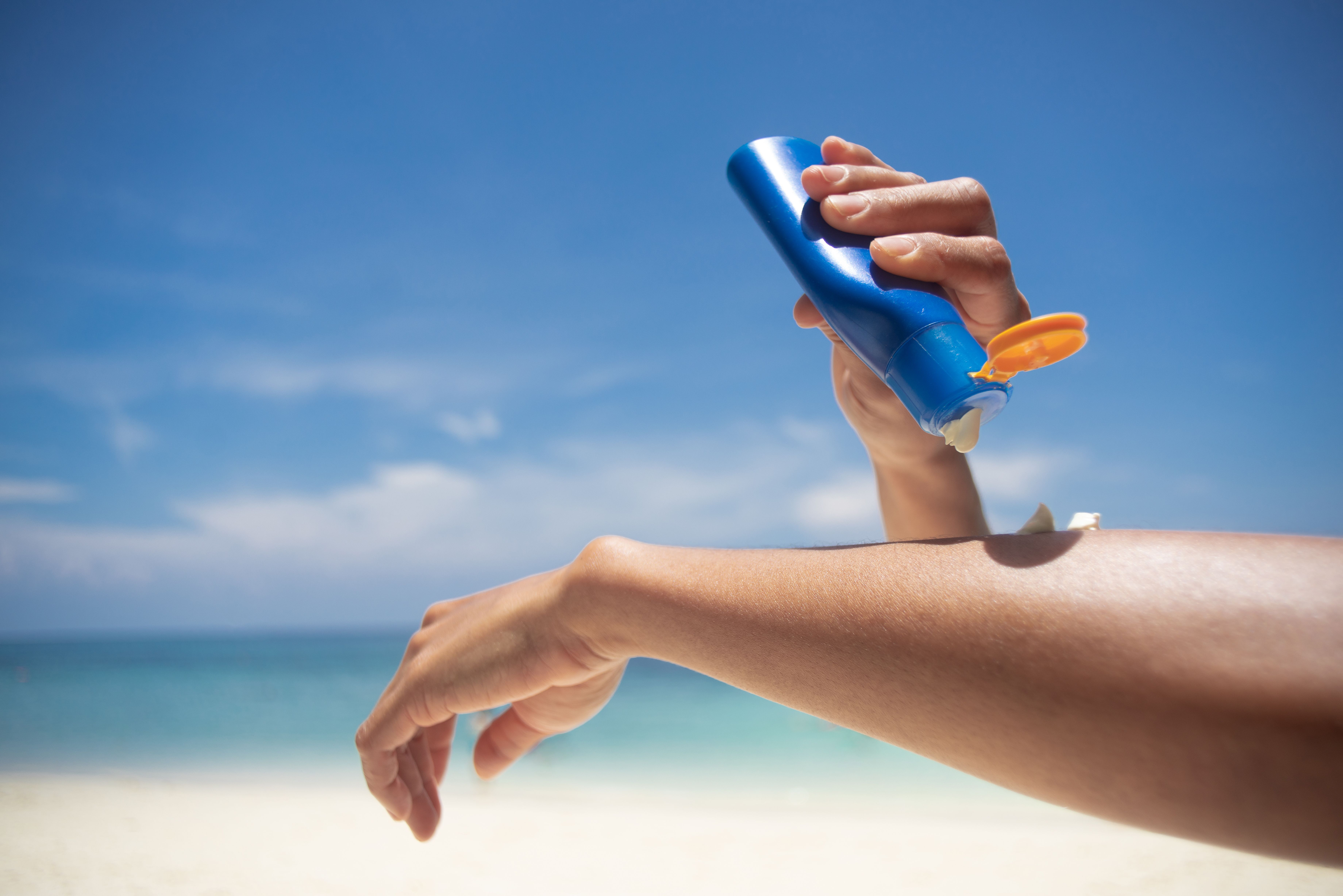
Following the FDA's June 2026 approval of bemotrizinol (BEMT) as the first new sunscreen active ingredient in over two decades, the first commercial products are now available. The final order permitted its use at concentrations up to 6%, and manufacturers began incorporating it into OTC formulations on August 9, 2026. Brands such as Ultra Violette have launched new SPF products featuring this filter, which has been standard in Europe and Asia for years. This development allows US consumers to access broader-spectrum protection previously unavailable domestically, closing a significant regulatory gap
PDRN and Peptide Formulations Bridge In-Office and At-Home Care
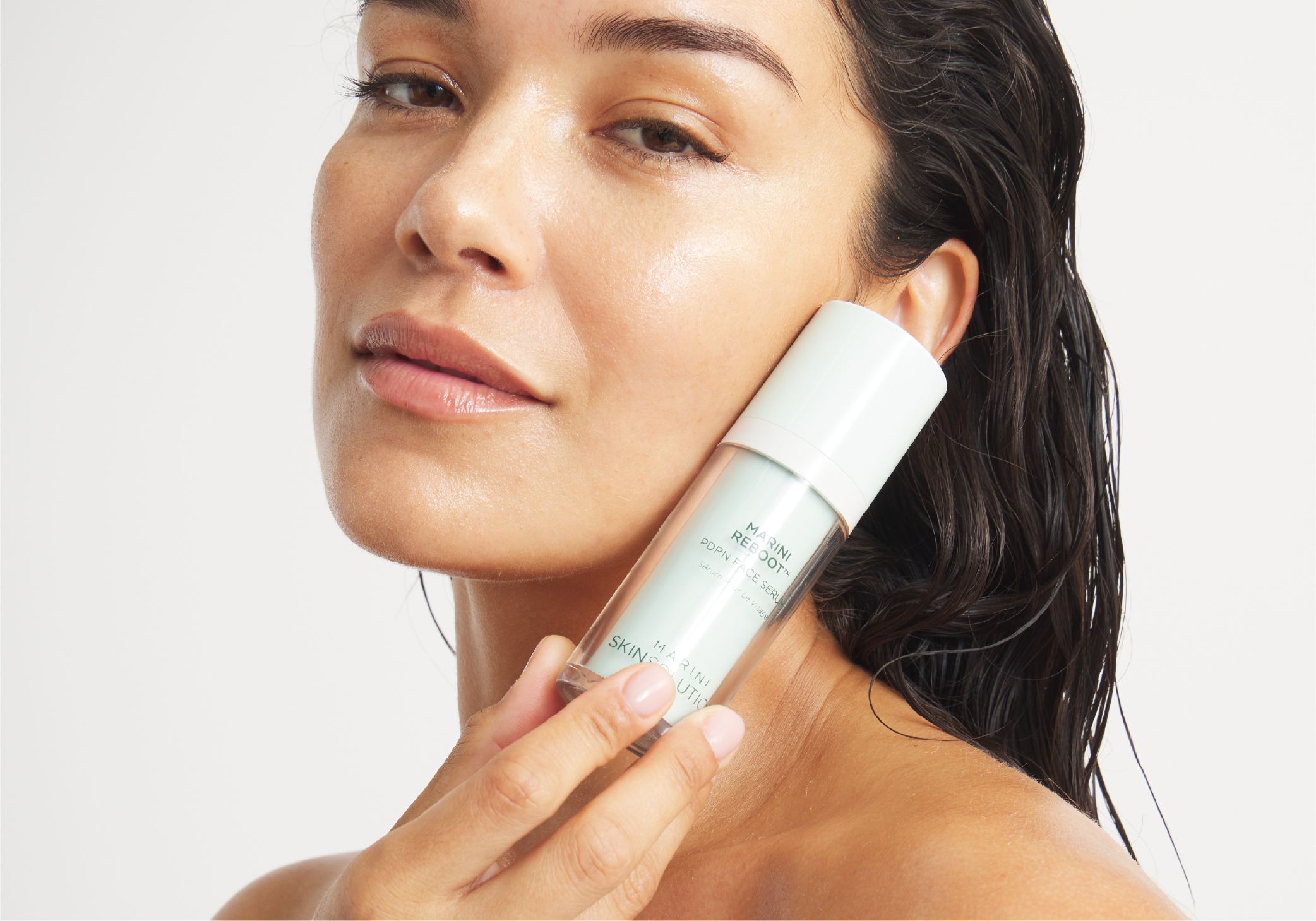
New product launches are increasingly focusing on Polydeoxyribonucleotide (PDRN) and peptide complexes designed to extend the benefits of professional dermatological procedures. A recent analysis highlights a "next-generation" PDRN serum specifically engineered for post-procedure skin recovery and anti-aging, signaling a trend where clinical-grade ingredients migrate into daily serums. This aligns with broader data showing that consumers are prioritizing specific active ingredients over general efficacy claims, particularly for elasticity and barrier repair
Novel Ingredients Reshape Skincare Formulation Trends
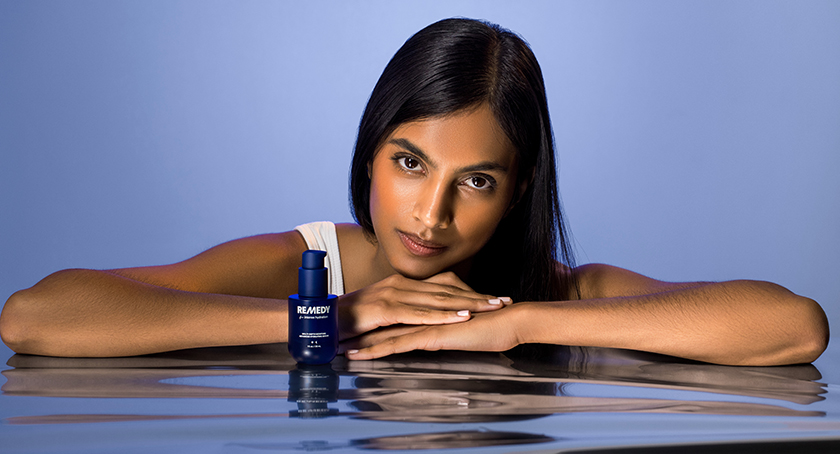
Industry publications are identifying a shift toward "novel ingredients on the rise," moving beyond traditional retinoids and niacinamide. Recent coverage from Happi magazine details emerging actives that focus on microbiome health and advanced hydration, while dermatologists emphasize the need for evidence-based validation of these new compounds. The conversation is also focusing on the synergistic use of ceramides with retinoids to mitigate irritation, a key concern for users adopting potent actives in fall skincare routines
Local view
In South Korea, the "ingredient-centric" consumption trend has expanded from topical cosmetics to the "inner beauty" (supplement) sector. Media outlets report that consumers are scrutinizing labels for ingredients like PDRN and retinol even in ingestible products, driven by brands like Dong-A Pharmaceutical. This reflects a sophisticated local market where ingredient transparency is becoming a primary driver of brand loyalty across both topical and oral beauty categories

Context & numbers
The global cosmetic peptide synthesis market is projected to reach $387.7 million by 2033, growing at a CAGR of 5.3% from an estimated $269.6 million in 2026. This financial outlook underscores the scientific and commercial momentum behind peptide-based skincare, which is currently one of the most searched and formulated ingredient classes alongside retinoids
On the radar
- BEYOND BEAUTY TOKYO 2026: Scheduled for September 30–October 2 at Tokyo Big Sight, this event will feature presentations on "next-generation beauty ingredients," likely providing further insights into Japanese and Asian market innovations
- Fall Skincare Adjustments: Dermatologists are advising patients to adjust retinoid usage and introduce barrier-supporting ingredients like ceramides as humidity drops, a seasonal pattern consistently observed in late summer/early fall clinical advice
This content was collected, curated, and summarized entirely by AI — including how and what to gather. It may contain inaccuracies. Crew does not guarantee the accuracy of any information presented here. Always verify facts on your own before acting on them. Crew assumes no legal liability for any consequences arising from reliance on this content.
Powered by
