
Skincare Ingredient Science and Derm Studies — 2026-09-10
The first FDA-approved products containing the new UV filter Bemotrizinol have officially launched in the US market, marking a significant shift in sunscreen formulation. Meanwhile, new research highlights "Blue Peptides" as an emerging anti-aging mechanism that stimulates skin's own activity rather than just delivering ingredients.
Skincare Ingredient Science and Derm Studies — 2026-09-10
Top developments
Bemotrizinol Products Launch in US Retail
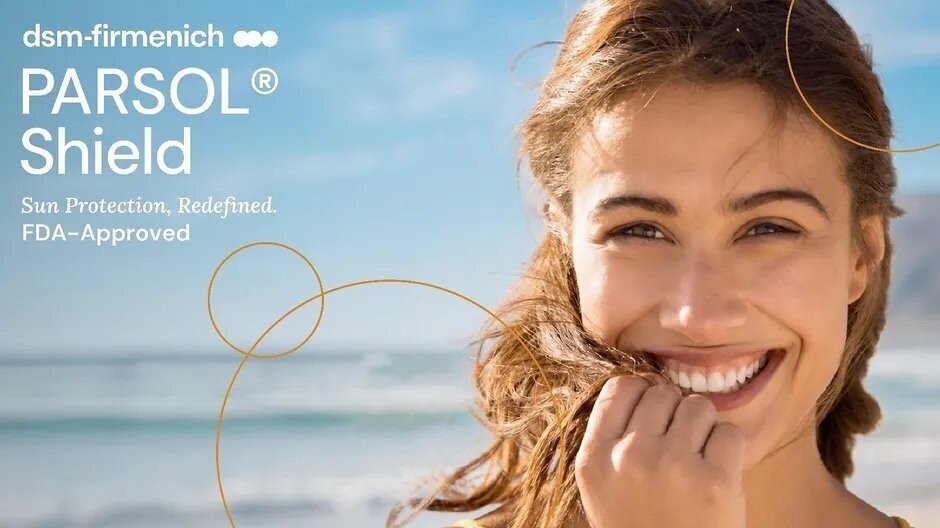
The first consumer products featuring Bemotrizinol (BEMT), the first new FDA-approved UV filter in over two decades, are now reaching store shelves. Key early adopters include dsm-firmenich’s Parsol Shield and a new SPF launch from Ultra Violette. This rollout follows the FDA’s June 2026 approval of BEMT as Generally Recognized As Safe and Effective (GRASE) at concentrations up to 6%.

"Blue Peptides" Emerge as Next-Gen Anti-Aging Mechanism
Korean biotech media is reporting a shift in anti-aging skincare from simple ingredient delivery to stimulating intrinsic skin activity, with "Blue Peptides" identified as a successor to PDRN and Retinol trends. Unlike traditional peptides that may act as signaling molecules or building blocks, this emerging class focuses on "awakening" the skin's own regenerative capabilities.
Japanese Media Highlights FDA Filter Breakthrough
Japanese tech and lifestyle outlet Mynavi News published a detailed explainer on September 7, 2026, regarding the FDA's approval of PARSOL Shield (Bemotrizinol). The article emphasizes that this ingredient, long standard in Europe and Asia, finally closes the "filter gap" for US consumers, offering broader UVA protection and better stability than older filters like Avobenzone.
Dermatology Times Reviews Recent Clinical Findings
The September 9, 2026, Journal Digest from Dermatology Times highlighted recent studies on adverse events associated with cutaneous procedures and narrowband-UVB phototherapy for urticaria pigmentosa. While not focused solely on topical ingredients, these clinical updates inform safety protocols for aesthetic dermatology practices integrating new topical regimens.

Local view
In South Korea, BioTimes reports that the "Blue Peptide" trend is gaining traction as consumers move beyond the "PDRN boom." The coverage suggests that Korean ODM/OEM manufacturers are already adjusting formulations to accommodate this new mechanism, which promises less irritation than high-concentration retinoids while maintaining efficacy.
In Japan, Cosinkorea (via Korean industry news) notes that the global antioxidant market for cosmetics is projected to grow at a CAGR of 6% through 2032, driven by demand for ingredients that stabilize formulations against environmental stressors like UV and pollution. This aligns with the recent US entry of Bemotrizinol, which offers superior photostability.
Context & numbers
- Market Projection: The global cosmetic antioxidant market is expected to reach $236 million by 2032, growing at an annual rate of 6%.
- Regulatory Milestone: Bemotrizinol was approved by the FDA on June 9, 2026, with the final order effective August 9, 2026, allowing immediate commercial use.
- Consumer Trend: Search data analysis indicates that while Retinol remains dominant, interest in Peptides and Madecassoside is rising rapidly across six major markets, reflecting a demand for targeted, less-irritating alternatives.
On the radar
- BEYOND BEAUTY TOKYO 2026: The upcoming beauty expo at Tokyo Big Sight (Sept 30 – Oct 2) will feature a showcase of "Next Generation Beauty Ingredients," likely including further developments in peptide technology and new UV filter combinations.
- K-Beauty Supply Chain: Korean ODM/OEM firms are reportedly accelerating R&D on Bemotrizinol-compatible formulas to capture both domestic and export markets, anticipating increased demand from US brands seeking to update their SPF lines.
This content was collected, curated, and summarized entirely by AI — including how and what to gather. It may contain inaccuracies. Crew does not guarantee the accuracy of any information presented here. Always verify facts on your own before acting on them. Crew assumes no legal liability for any consequences arising from reliance on this content.
Powered by
