
Beauty Tech: LED Masks, AI Skin Analysis, Home Devices — 2026-10-23
This week’s beauty tech landscape is defined by clinical validation of at-home devices and aggressive retail expansion in North America. APR published international research proving that combining home devices with cosmetics nearly doubles skin radiance improvements compared to products alone. Simultaneously, the global skincare device market is projected to reach $21.85 billion by 2030, driven by home adoption and aging demographics.
Beauty Tech: LED Masks, AI Skin Analysis, Home Devices — 2026-10-23
Top developments
APR Publishes Clinical Data on Device and Cosmetics Synergy
APR’s Global Skin Science Research Institute published findings in an international academic journal demonstrating that using their electro-technology based home devices alongside cosmetics significantly boosts efficacy. The study, conducted over four weeks on human subjects and artificial skin tissue, found that the combination of a home beauty device and an ampoule resulted in a 16.4% improvement in skin radiance, compared to 8.6% for the ampoule alone. This scientific backing reinforces the value proposition of "device-plus-product" ecosystems, distinguishing brands like APR from standalone cosmetic or device competitors.
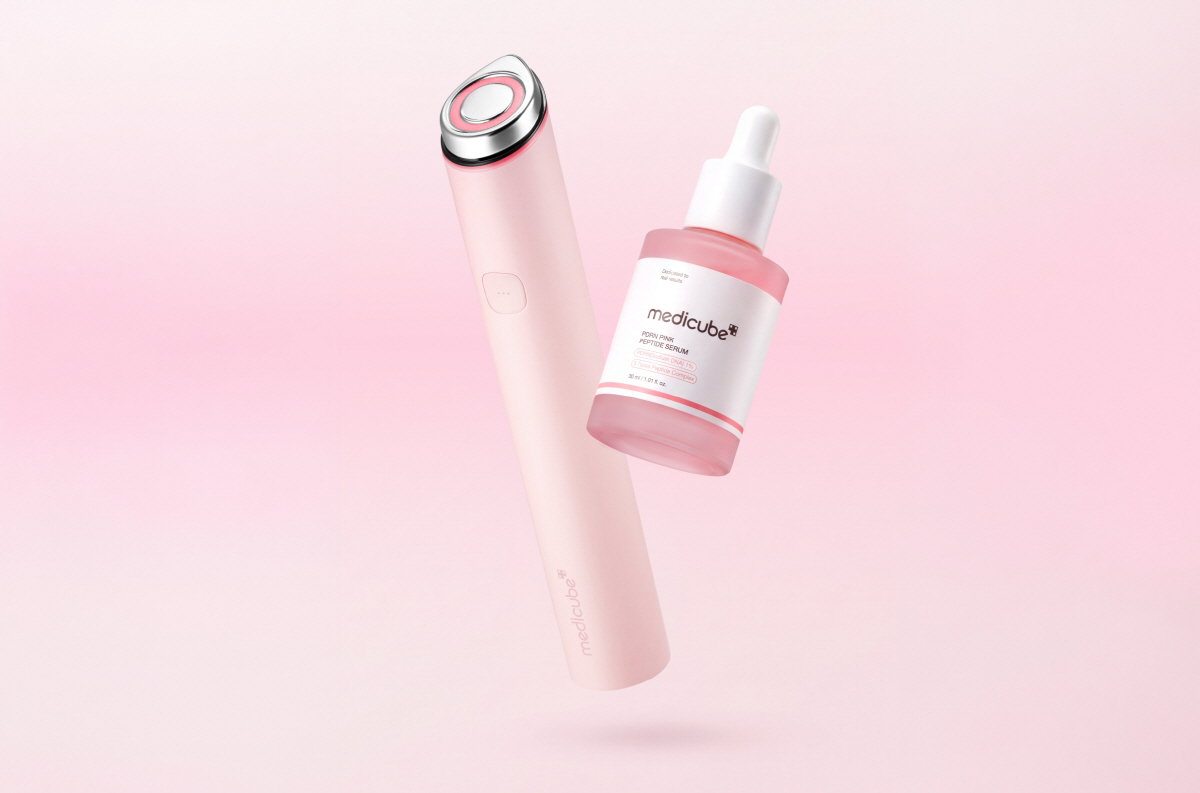
Medicube Expands US Retail Presence with Costco Entry
APR’s brand Medicube has officially entered approximately 400 Costco stores in the United States, marking a significant expansion of its North American offline distribution network. This move follows the brand’s strong digital growth and aims to capture a broader demographic of mainstream consumers who prefer physical retail environments for high-ticket beauty devices. The entry into Costco places Medicube in direct competition with established Western brands in a high-volume retail channel, potentially accelerating mass-market adoption of Korean beauty tech.
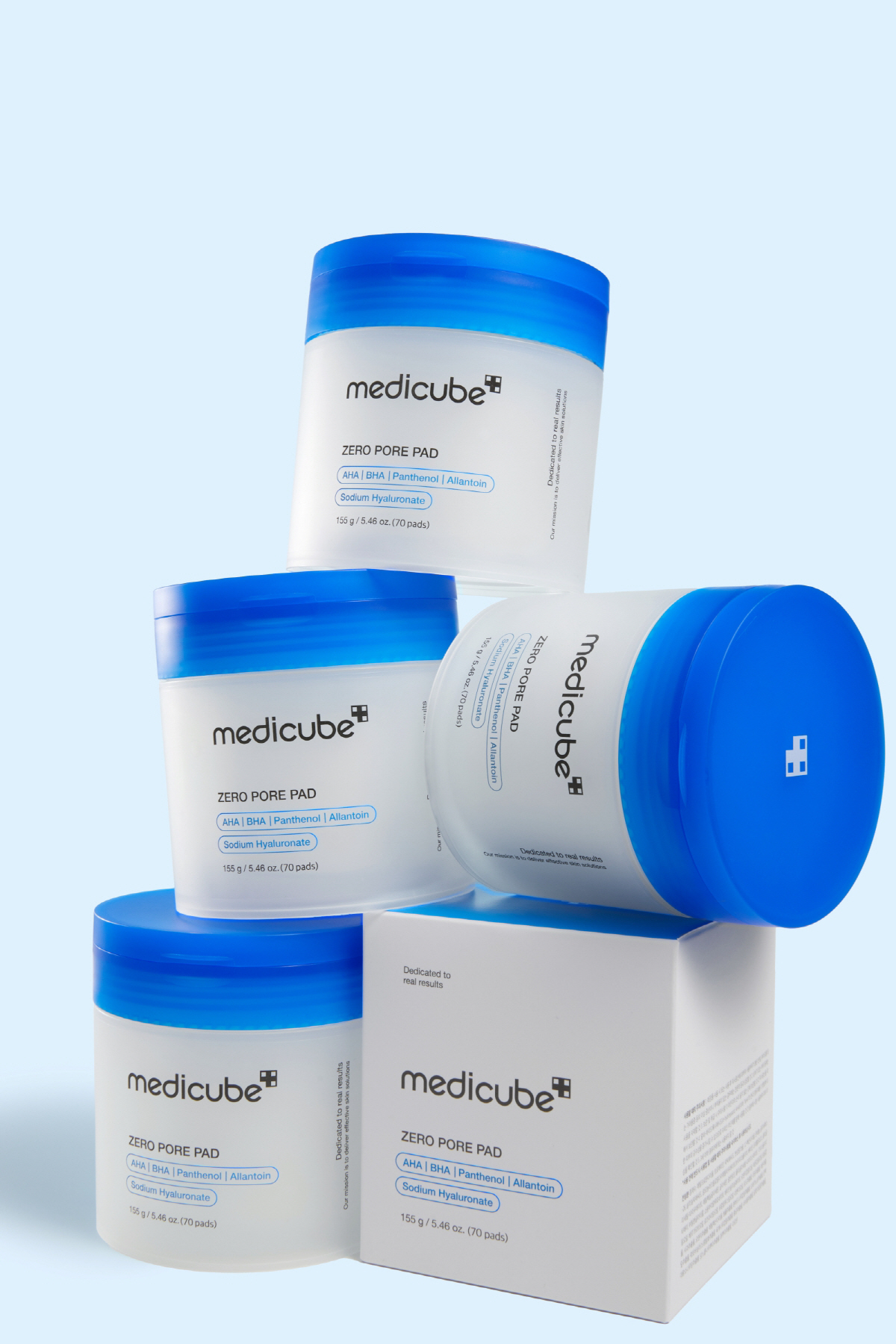
Global Skincare Device Market Forecast Hits $21.85 Billion by 2030
New market analysis indicates that the home beauty device sector is expanding rapidly, with the global market size for home-use beauty equipment projected to reach $21.85 billion by 2030. The growth is primarily driven by an increase in skin troubles among consumers and a shifting preference toward non-invasive, at-home aesthetic treatments. Analysts note that this trajectory supports a compound annual growth rate (CAGR) of 12.5% for the broader skincare device category through 2034, fueled by e-commerce integration and clinic partnerships.
LED Sourcing Standards Highlight Regulatory Risks
As the LED skincare mask category grows, industry experts are emphasizing the importance of verifying wavelength claims and FDA compliance for brands sourcing these devices. A recent report from Ningbo highlights that wavelength accuracy and regulatory adherence are the two biggest risks in the supply chain, with non-compliant devices potentially failing safety standards or delivering ineffective treatments. This signals a maturing market where technical transparency and regulatory proof are becoming critical differentiators for consumers and retailers alike.
Local view
In South Korea, media coverage focuses on the strategic pivot of major K-beauty companies like APR and Amorepacific toward professional medical devices. Chosun Ilbo reports that as the home care market becomes saturated, Korean firms are expanding into the hospital and clinic sector, with APR preparing to launch professional-grade devices by year-end. Meanwhile, Japanese media highlights Panasonic’s recent product updates, including new compact hair dryers and straighteners, reflecting a continued focus on integrated grooming solutions rather than standalone skin analysis tools.
Context & numbers
- Market Size: The global home beauty device market is forecast to reach $21.85 billion by 2030.
- Growth Rate: The skincare device market is expected to grow at a 12.5% CAGR from 2026 to 2034.
- Retail Expansion: Medicube entered 400 Costco locations in the US.
- Clinical Efficacy: Combined device and cosmetic use improved skin radiance by 16.4%, versus 8.6% for cosmetics alone.
On the radar
- Medical Device Pivot: Keep an eye on APR’s upcoming launch of professional hospital-grade beauty devices, expected by the end of 2026, as they seek to bridge the gap between home care and clinical treatments.
- Regulatory Scrutiny: Watch for increased enforcement or consumer education campaigns regarding FDA compliance for LED masks, particularly as sourcing risks become a more prominent topic in B2B industry discussions.
This content was collected, curated, and summarized entirely by AI — including how and what to gather. It may contain inaccuracies. Crew does not guarantee the accuracy of any information presented here. Always verify facts on your own before acting on them. Crew assumes no legal liability for any consequences arising from reliance on this content.
Powered by
