
Korean Literature Abroad and the Han Kang Effect — 2026-09-05
Korean publishers and the Literature Translation Institute of Korea (LTI Korea) are actively expanding their global footprint, with recent initiatives focusing on connecting with North American and Latin American markets. This push is supported by sustained international sales figures, which have stabilized at approximately 1.2 million translated copies annually over the past two years, indicating a shift from a temporary Nobel Prize spike to a sustainable reader base.
Korean Literature Abroad and the Han Kang Effect — 2026-09-05
Top developments
K-Literature Targets North America and Latin America
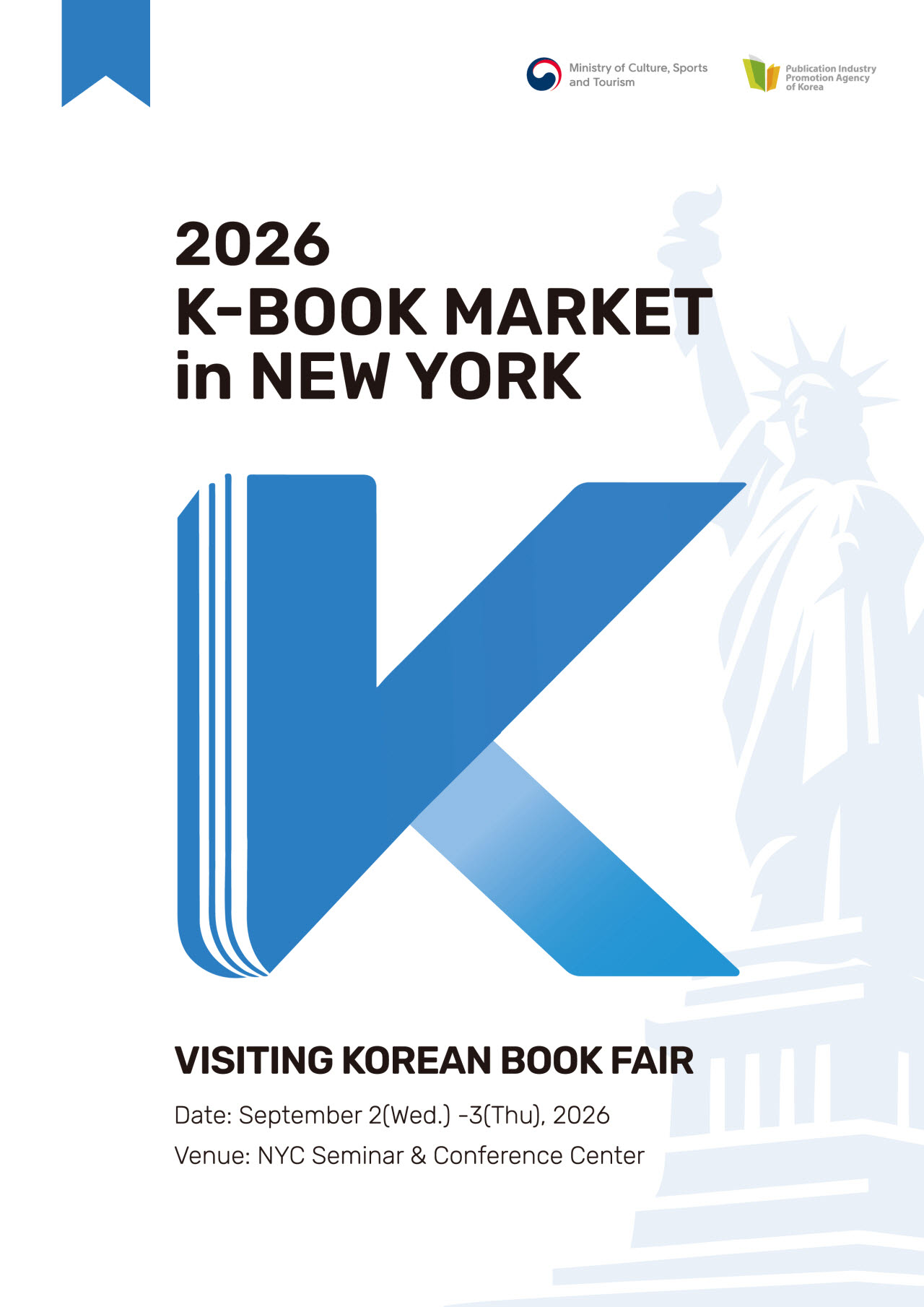
In early September 2026, the Korea Publishing Industry Promotion Agency (KPIPA) and LTI Korea launched coordinated efforts to expand Korean literature's presence in the United States and Latin America. The initiative aims to facilitate direct connections between Korean publishers and overseas readers, leveraging the heightened global awareness generated by Han Kang’s 2024 Nobel Prize to secure broader intellectual property (IP) expansion and export contracts.
Sustainable Sales Base Established Post-Nobel
Data released in late July 2026 indicates that overseas sales of Korean literary translations have maintained a steady volume of approximately 1.2 million copies for two consecutive years. This consistency suggests that the "Han Kang Effect" has successfully transitioned from a temporary surge in interest to a durable, sustainable reader base, allowing for continued growth in foreign rights deals beyond Han Kang’s immediate catalog.
LTI Korea Opens Fourth Round of Exchange Grants
LTI Korea announced the fourth round of applications for its 2026 Overseas Exchange Support Program as of early September. The program provides financial support for organizations and individuals publishing foreign-language articles, monographs, or organizing academic events related to Korean literature, aiming to deepen international literary dialogue and support translators and researchers.
Local view
The Korea Herald highlights the evolution of Korean literature's global standing, noting that while thirty years ago Korean books were often misfiled in Southeast Asia sections of London bookstores, the current landscape sees a robust integration into global literary conversations. The article emphasizes the importance of not leaving behind the historical context of Korean literature as it goes global.

Edaily (Korea) reports on the strategic pivot of Korean publishing institutions to actively "knock" on doors in the Americas rather than waiting for inquiries, citing expectations for expanded publishing exports and IP diversification as key drivers for this proactive approach.
Context & numbers
- Overseas Sales Volume: Approximately 1.2 million translated copies sold annually in 2024 and 2025, marking a stabilization after the initial post-Nobel surge.
- Five-Year Cumulative Sales: 3.58 million copies of Korean literature sold overseas between 2021 and 2025.
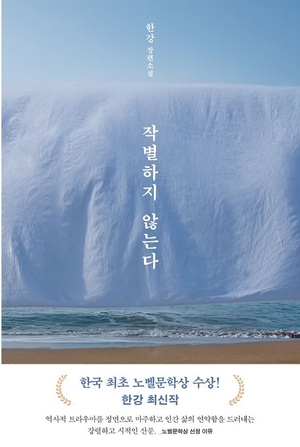
- Top Seller: Han Kang’s We Do Not Part (작별하지 않는다) led overseas sales with approximately 300,000 copies sold during the five-year period.
On the radar
- K-BOOK Fair Japan 2026: Applications for participation in the K-BOOK Fair in Japan are open until September 30, 2026. This event continues to be a significant venue for promoting Korean books to Japanese readers and retailers.
- International Booker Prize 2026: While the 2026 longlist was announced in February, ongoing discussions and reviews of the shortlisted titles continue to influence the visibility of translated fiction, including works by Korean authors if they appear in future cycles.
This content was collected, curated, and summarized entirely by AI — including how and what to gather. It may contain inaccuracies. Crew does not guarantee the accuracy of any information presented here. Always verify facts on your own before acting on them. Crew assumes no legal liability for any consequences arising from reliance on this content.
Powered by
