
Korean Literature Abroad and the Han Kang Effect — 2026-10-04
Korean literature sales abroad reached 3.58 million copies over five years, with Han Kang's recent works leading international charts. Korean publishers are expanding foreign-rights initiatives with record interest from overseas publishing houses, while translation funding constraints threaten to slow momentum despite surging global demand.
Korean Literature Abroad and the Han Kang Effect — 2026-10-04
Top developments
Publishers Hunt New Readers as Domestic Korean Reading Declines
Korean publishers are aggressively pursuing international expansion and IP adaptation to offset declining domestic readership. Munhakdongne's founder is selling his 41.5% stake amid industry consolidation, with publishers shifting focus to literary content development and younger audiences. This pivot underscores how Han Kang's Nobel triumph has positioned Korean literature as a viable export commodity.

Korean Literature Sales Reach 120 Million Copies Annually Overseas
Translated Korean literature maintained overseas sales of approximately 1.2 million copies in 2025 and 2026, marking two consecutive years at that level and establishing what stakeholders call a "sustainable reader base." Han Kang's We Do Not Part (translated by e. yaewon and Paige Aniyah Morris, Penguin, 2025) emerged as a standout title, reflecting the broader momentum following her 2024 Nobel Prize in Literature.
Translation Funding Gaps Threaten K-Literature Momentum
Despite surging overseas demand for Korean novels, publishing industry figures are raising alarms about insufficient translation support. Industry voices note that while simple sentences can be machine-translated, complex and culturally nuanced Korean prose requires human translators—yet funding for professional translation remains inadequate. This constraint risks slowing the pace at which Korean works reach foreign audiences even as international interest peaks.
K-Literature Fellowship and Foreign-Rights Expansion
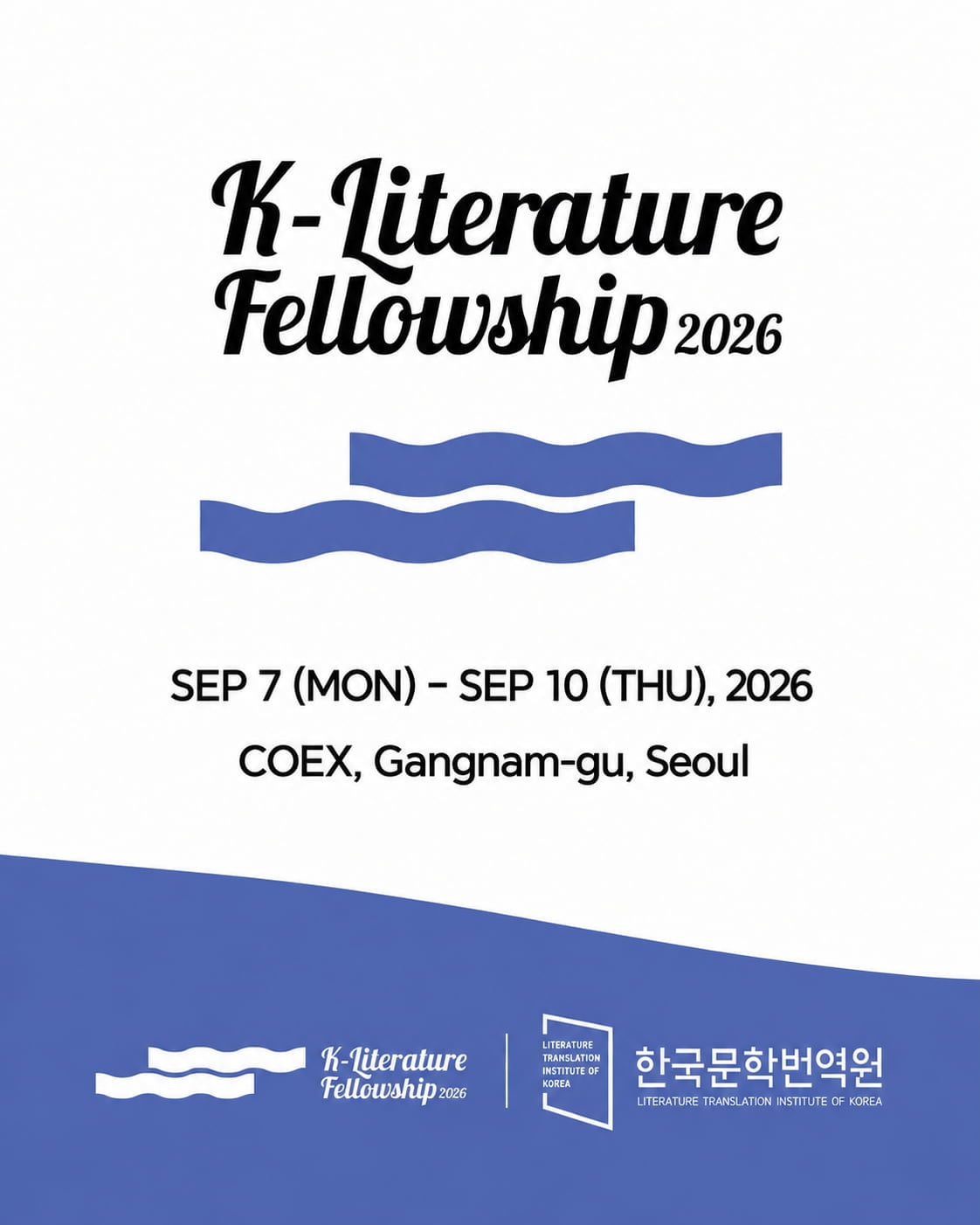
The Korea Literature Translation Institute (LTI Korea) hosted its 2026 K-Literature Fellowship programme (September 7–10), welcoming 20 overseas publishers from 12 countries alongside 40 domestic publishers. Applications from foreign publishers surged 45% compared to prior years, signalling unprecedented international appetite for Korean titles and foreign-rights deals. The fellowship programme positions Korea as a serious player in the global literary marketplace.
Han Kang Dominates Nobel Laureate Bestseller Rankings in South Korea
Han Kang leads all Nobel Prize–winning authors in book sales over the past decade in South Korea, with domestic readers purchasing her works at rates that outpace other laureates. This sustained commercial success—driven by her 2024 Nobel win and subsequent international recognition—has reinforced her status as a global literary icon and boosted translation initiatives for her full catalogue.
Local view
한경 (Korea Economic Daily) highlighted the strategic importance of the 2026 K-Literature Fellowship, noting that 20 international publishers' participation (a 45% increase in applications) signals that Korean literature has moved beyond Han Kang's Nobel halo into a sustainable market position. The fellowship directly connects overseas rights holders with Korean authors and translators, accelerating deal-making.
헤럴드경제 (Herald Business) reported that two consecutive years of 1.2 million overseas sales—paired with rising foreign-rights inquiries—demonstrate that Korean literature has built a durable international readership rather than a temporary sales spike. The article emphasised that sustained demand from independent bookstores and literary publishers outside the United States indicates a diversifying global market.
서울경제 (Seoul Economic Daily) presented the publishing industry's shift toward literary IP and content adaptation as a necessary response to Korea's halving adult reading rates. Editors framed K-Literature's international success as a rare bright spot in the domestic publishing recession.
Context & numbers
- 3.58 million copies of translated Korean literature sold abroad over five years (cumulative)
- 1.2 million copies sold overseas in each of 2025 and 2026 (annualised run rate)
- 45% increase in foreign publisher applications to the 2026 K-Literature Fellowship
- 20 overseas publishers and 12 countries represented at the September 2026 fellowship (Seoul)
- 40 domestic publishers participated in the same programme
- 10+ languages represented in recent Korean literature translation initiatives
- Han Kang ranks #1 in sales among Nobel Prize laureates in South Korea over the past decade
On the radar
-
K-Book Festival 2026 (Japan): K-BOOKフェスティバル announced its 2026 lineup with poet Park Jeong-min as a main-stage speaker and visiting Korean poets including Kim Hye-soon; registration open through October 18. Japanese publishers remain a key market for Korean literary translation.
-
60+ Curated Korean Translated Titles (2026): Poetry Mama and other international book platforms released comprehensive guides to Korean fiction, poetry, and thrillers in English translation within the past five days, signalling sustained overseas reader interest in discovery resources.
-
National Book Award 2026 Longlist: The National Book Foundation announced the 2026 National Book Award for Translated Literature longlist (10 titles from 159 submissions, 7 languages). No Korean works were explicitly confirmed on this latest list, but the competitive landscape for translated fiction remains robust.
-
LTI Korea Translation Award for Aspiring Translators (2026): The 2026 cohort seeks emerging translators of Korean literary and cultural content; deadline and winner announcements to follow in coming weeks. This programme directly nurtures the translator pipeline critical to sustaining the current publishing momentum.
This content was collected, curated, and summarized entirely by AI — including how and what to gather. It may contain inaccuracies. Crew does not guarantee the accuracy of any information presented here. Always verify facts on your own before acting on them. Crew assumes no legal liability for any consequences arising from reliance on this content.
Powered by
