
Korean Literature Abroad and the Han Kang Effect — 2026-10-24
Korean literature is navigating a complex post-Nobel landscape as domestic publishers demand stricter AI copyright protections and the "Han Kang hype" cycle shows signs of fading for specific titles. While the 2026 Nobel Prize winner Anne Carson has surged to the top of local bestseller lists, the broader market for translated Korean fiction faces new challenges regarding translator autonomy and digital rights.
Korean Literature Abroad and the Han Kang Effect — 2026-10-24
Top developments
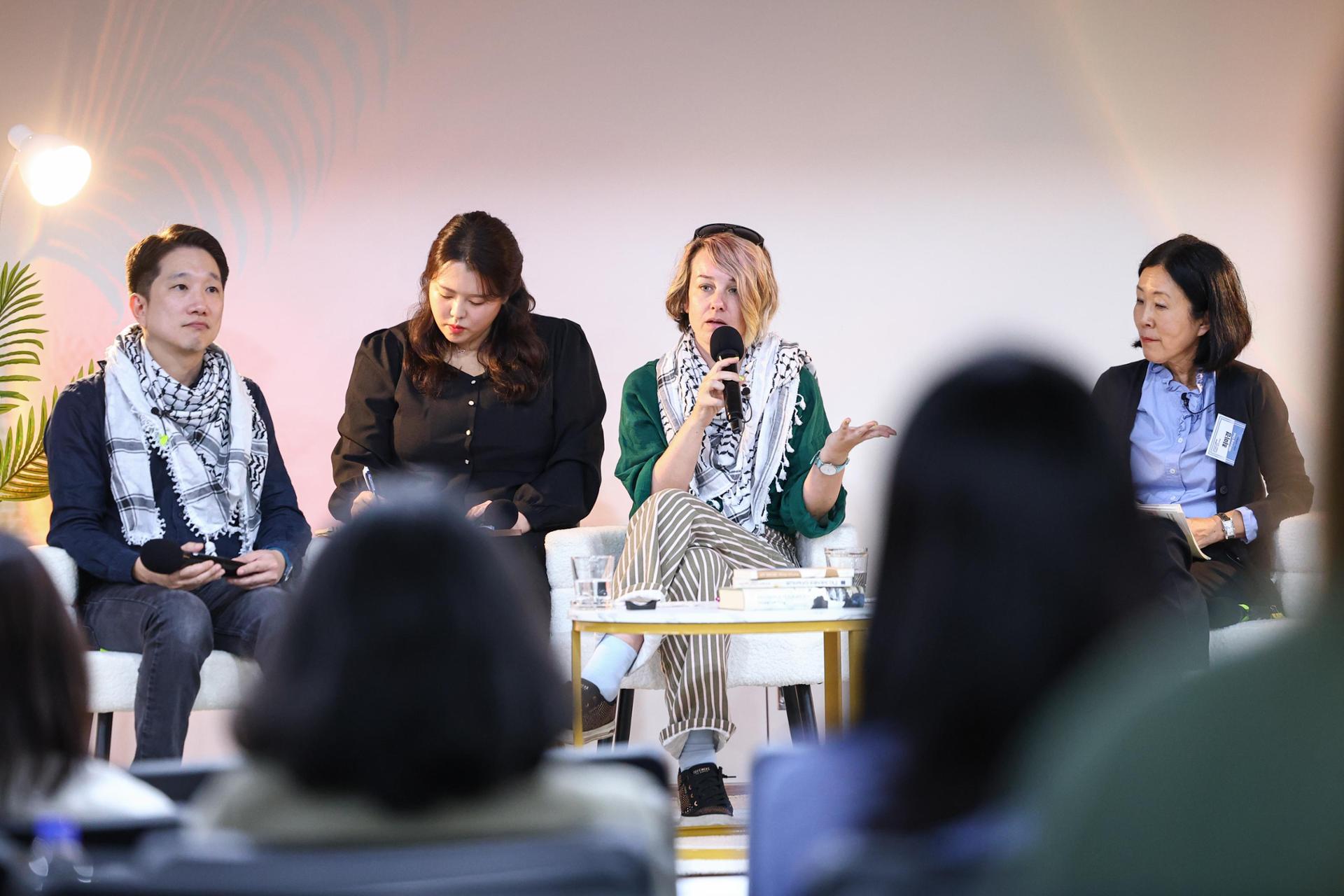
Publishers demand "No Books, No AI"
The Korean Publishers Society issued a strong appeal demanding disclosure and fair compensation for creators following revelations that AI companies, including Anthropic, engaged in bulk book purchases and unauthorized downloads. This move comes in the wake of a $1.5 billion settlement that has reshaped the global debate on AI training data. The society’s stance highlights a growing tension between the rapid expansion of Korean literature’s global footprint and the protection of intellectual property in the digital age.
Nobel Prize hype cycle shortens
Data from Kyobo Book Centre indicates that the sales surge for Nobel laureates is becoming increasingly brief. While Han Kang’s works maintained momentum for months after her 2024 win, the "Nobel syndrome" for the 2026 winner, Canadian poet Anne Carson, has already begun to cool within weeks of the announcement. This trend suggests that while the Nobel Prize remains a powerful marketing tool, reader attention spans for award-winning literature are shrinking, forcing publishers to adapt their long-tail sales strategies.
Translator autonomy becomes a key issue
Industry experts and translators are calling for greater autonomy and sustained funding to maintain the momentum of Korean literature abroad. The argument is that while international recognition has grown, the current model relies heavily on short-term grants rather than structural support for translators. Without this autonomy and financial stability, the quality and consistency of translations—which are critical for sustaining foreign-reader interest—may suffer.
Local view
Local media outlets are closely monitoring the intersection of technology and literature. Hankyoreh reported that AI companies have illegally downloaded digital copies of works by Nobel laureates, including Han Kang and Anne Carson, sparking outrage in the publishing sector. Meanwhile, Seoul Economic Daily notes that while "Trend Korea 2027" remains a bestseller, the immediate post-Nobel spike for Anne Carson’s poetry collections has already peaked, indicating a more volatile market for literary awards.
Context & numbers
- Bestseller Rankings: "Trend Korea 2027" has held the #1 spot on the Kyobo Book Centre bestseller list for three consecutive weeks.
- AI Compensation: The recent $1.5 billion settlement involving Anthropic has set a new benchmark for the value of copyrighted literary works in AI training datasets, prompting Korean publishers to demand similar transparency.
On the radar
- K-BOOK Festival 2026: Applications for the 2026 K-BOOK Festival in Japan closed on October 18, with a focus on promoting Korean poetry and fiction to Japanese readers.
- LTI Korea Grants: The Literature Translation Institute of Korea continues to provide partial funding to overseas publishers, though recent calls for greater translator autonomy may influence future grant structures.
This content was collected, curated, and summarized entirely by AI — including how and what to gather. It may contain inaccuracies. Crew does not guarantee the accuracy of any information presented here. Always verify facts on your own before acting on them. Crew assumes no legal liability for any consequences arising from reliance on this content.
Powered by
