
Korean Literature Abroad and the Han Kang Effect — 2026-10-09
Korean literature’s global momentum continues to accelerate with the 2026 Frankfurt Book Fair underway, where the Literature Translation Institute of Korea (LTI Korea) is showcasing 14 Korean authors and facilitating rights deals for emerging novelists. Simultaneously, the announcement of Canadian poet Anne Carson as the 2026 Nobel Laureate in Literature has triggered a surge in translated literature sales in Korea, while Prime Minister Han Seung-soo pledged expanded support for Korean language education and literary translation infrastructure.
Korean Literature Abroad and the Han Kang Effect — 2026-10-09
Top developments
Frankfurt Book Fair Spotlights Emerging K-Lit Voices
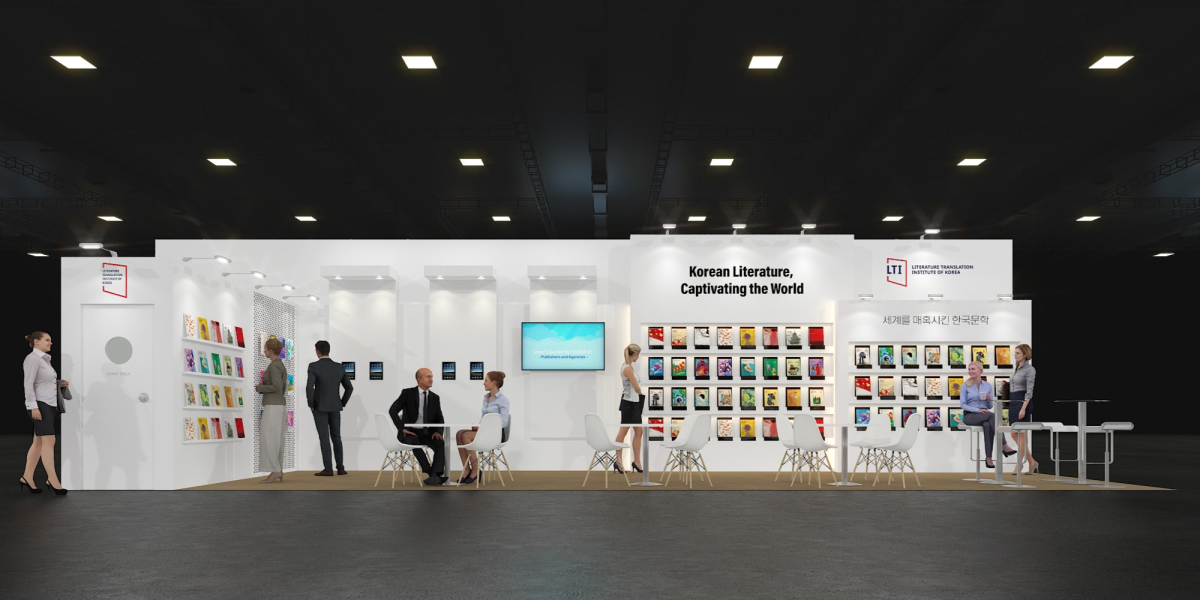
The 2026 Frankfurt Book Fair, held from October 7 to 11, features a joint Korean pavilion organized by LTI Korea, bringing 14 Korean authors to meet international publishers and readers. The delegation includes prominent figures such as poet Kim Hyesoon and novelist Han Kang, whose works are being highlighted to reinforce the post-Nobel visibility of Korean literature. This presence aims to convert recent critical acclaim into sustained foreign-rights deals, particularly for debut novelists who have recently secured translation contracts in North America.
Prime Minister Announces Expansion of Translation Infrastructure
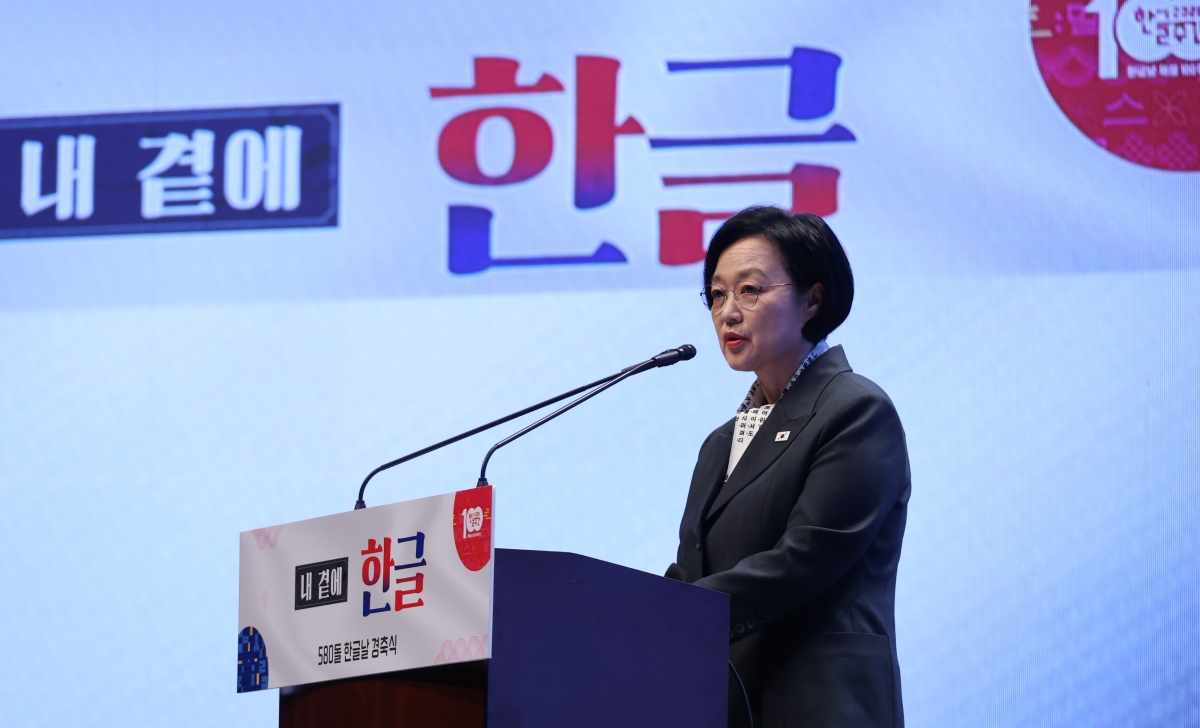
On October 9, during the Hangul Day celebrations, Prime Minister Han Seung-soo announced a strategic plan to expand King Sejong Institute locations to over 350 by 2030 and increase the number of countries teaching Korean in regular schools to over 70. Crucially, the policy framework includes specific measures to nurture Korean literature translation personnel and provide publishing support to ensure the sustainability of the "K-Lit" boom. This government-level commitment signals a shift from sporadic grants to systemic infrastructure building for literary exports.
Translators Call for Greater Autonomy and Funding
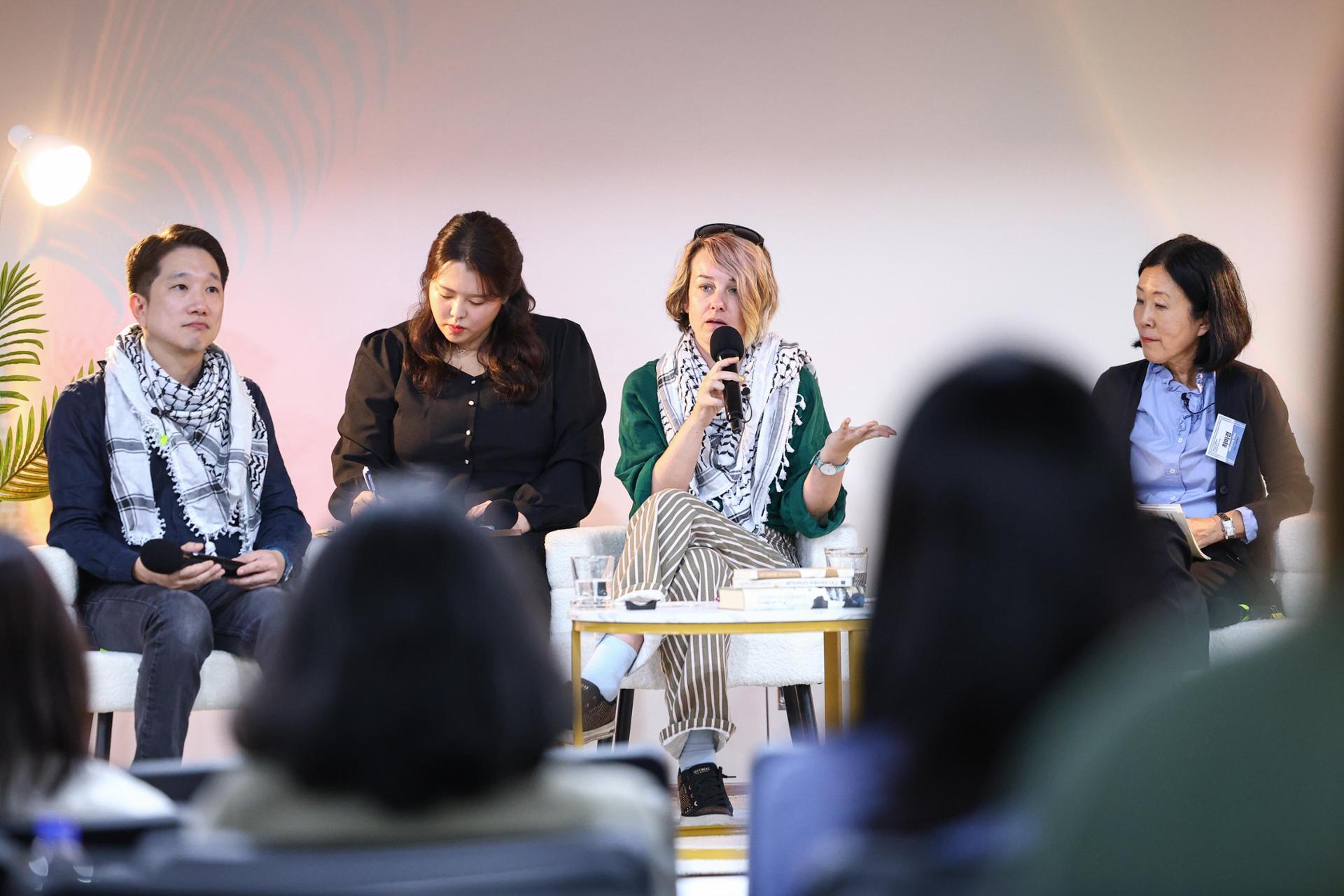
At a forum in Incheon on October 8, translators argued that the international recognition of Korean literature must be matched by greater autonomy and sustained funding. The discussion highlighted that while sales have grown, the structural conditions for translators—often paid less than their European counterparts—need improvement to maintain quality and diversity in translations. This call comes as LTI Korea continues its "Overseas Publisher Invitation" program, which this year hosted 20 foreign publishers in Seoul to facilitate direct rights negotiations.
Startup Innovation Streamlines K-Web Novel Distribution
The Dong-A Ilbo reported on October 8 that startup HiveMind is addressing a critical bottleneck in K-literature exports: the logistical complexity of converting serialized web novels into standalone physical and digital formats for global platforms. While translation is the first step, the company is innovating in the "distribution process," handling cover localization, file formatting, and sales tracking to lower the entry barrier for Korean web fiction in overseas markets. This complements traditional literary translation efforts by creating a more efficient pipeline for the high-volume web novel sector.

Local view
Local media outlets like Seoul Shinmun and Maeil Business Newspaper are closely tracking the ripple effects of the Nobel Prize announcement. Seoul Shinmun emphasized that Han Kang’s 2024 win was just the beginning, noting that global interest remains high due to the artistic depth of Korean works that reflect contemporary social issues. Meanwhile, Yonhap News reported that following the announcement of Canadian poet Anne Carson as the 2026 Nobel Laureate, sales of her translated works in Korea surged by 138 times, demonstrating the powerful market influence of the Nobel brand even for non-Korean winners. This surge is expected to renew interest in translated literature categories generally, benefiting the broader ecosystem of Korean translations.
Context & numbers
- Overseas Sales Volume: Korean literature sales abroad reached approximately 3.58 million copies over the past five years, with consistent annual volumes of around 1.2 million copies in the last two years.
- Government Targets: The government aims to expand King Sejong Institutes to 350+ and Korean-language education in 70+ countries by 2030.
- Prize Context: The 2026 National Book Award longlist for Translated Literature featured 10 books from 159 submissions, highlighting the competitive global landscape in which Korean titles must compete.
On the radar
- K-BOOK Festival Japan: The official K-BOOK Festival in Japan has released its first press release for 2026, featuring appearances by poets Kim Hyesoon and Park Jeong-min, with application deadlines for the book fair approaching in mid-October.
- Warwick Prize Longlist: The 2026 Warwick Prize for Women in Translation longlist has been partially revealed; while no Korean titles were explicitly named in the first batch of four, the prize remains a key metric for tracking female Korean authors' visibility in English translation.
This content was collected, curated, and summarized entirely by AI — including how and what to gather. It may contain inaccuracies. Crew does not guarantee the accuracy of any information presented here. Always verify facts on your own before acting on them. Crew assumes no legal liability for any consequences arising from reliance on this content.
Powered by
