
Korean Literature Abroad and the Han Kang Effect — 2026-10-31
This week, South Korean literature saw a significant milestone in rights exports with Jeon Gun-woo's horror novel "You Must Not Hear This" securing deals in 11 countries. Simultaneously, the industry is grappling with the logistical challenges of the "Han Kang Effect," as local media highlight the urgent need for translator training and funding to meet surging global demand. The conversation has also expanded to include AI translation limitations and copyright disputes involving major AI firms.
Korean Literature Abroad and the Han Kang Effect — 2026-10-31
Top developments
Horror novel "You Must Not Hear This" Secures Rights in 11 Countries
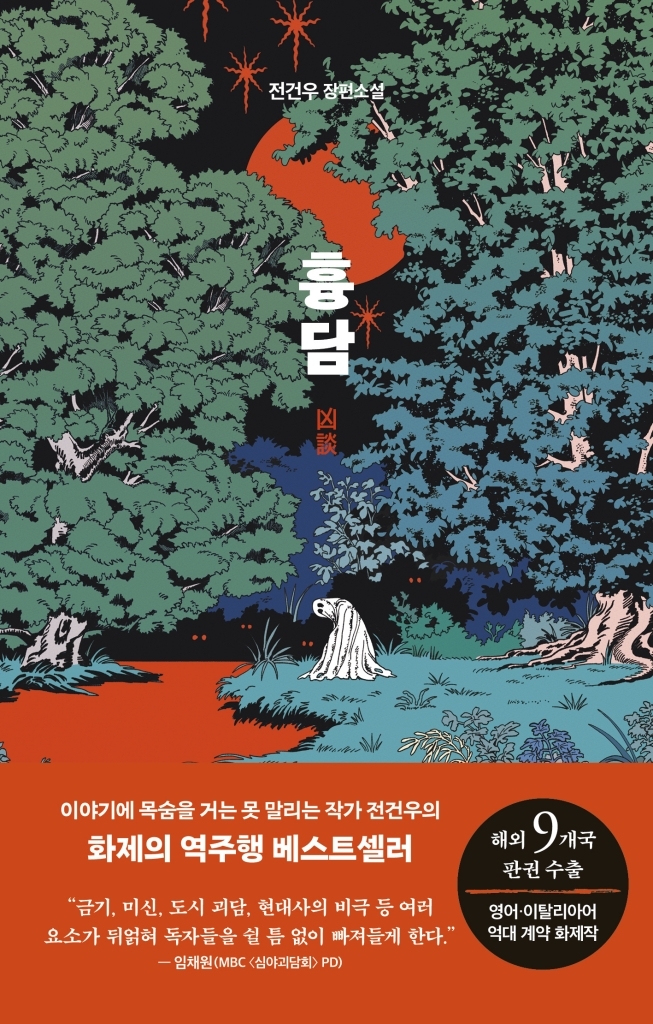
Jeon Gun-woo’s occult mystery novel "You Must Not Hear This" (also known as "Hyungdam") has achieved a major commercial breakthrough, securing translation rights in 11 countries including the US, Italy, France, Spain, Germany, and Japan. The publisher, Rabbit Hole, reported that advance payments for the deals have exceeded 300 million won. This success underscores the growing international appetite for Korean genre fiction beyond literary prestige, demonstrating that commercial thrillers can also drive significant foreign-rights revenue.
Two Years After Han Kang’s Nobel, Infrastructure Lags
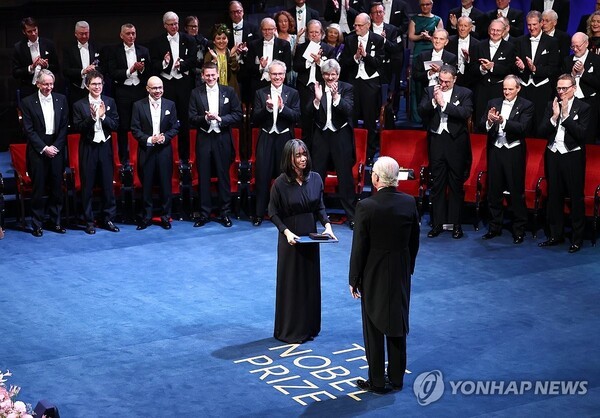
As the two-year anniversary of Han Kang’s 2024 Nobel Prize in Literature approaches, local media are scrutinizing whether the "Han Kang Effect" has translated into sustainable industry growth. News Culture reports that while Han’s win proved Korean literature’s global potential, the industry faces a "homework" challenge: relying on a single star author is insufficient for broad international expansion. The sector is struggling to maintain momentum without systemic support for a wider roster of authors.
AI Translation Hype Meets "Emotional" Reality
ZDNet Korea reports that while the global demand for Korean literature is rising, the industry is debating whether AI can solve the translator shortage. Experts argue that AI tools fail to capture the nuance and "emotional" depth of complex Korean literary texts, leaving human translators indispensable. This technological bottleneck highlights the continued necessity of funding for human translation programs to keep up with the volume of rights deals being signed.

Local view
Debate Over Translation Graduate School Delays
News1 reports growing concern within the translation community regarding the postponed establishment of a graduate school for translation at the Literature Translation Institute of Korea (LTI Korea). Critics argue that delaying the program risks failing to secure top-tier talent, particularly in regional areas. The debate centers on whether the current budget allocations for literary support—reduced from 5.4 billion won to 4.8 billion won for the "Literature Sharing" project—are sufficient to train the next generation of professional translators needed for the expanding export market.
Context & numbers
Rights Deals and Advance Figures
The recent deal for "You Must Not Hear This" highlights the financial scale of current successes, with advances topping 300 million won for a single title across 11 territories. This contrasts with broader industry data showing that while Korean literature has reached 44 language markets, the depth of reader engagement beyond hit titles remains a subject of analysis.
Anthropic Copyright Settlement Impact
The legal landscape for Korean authors continues to shift following revelations that AI company Anthropic downloaded books by Nobel laureates, including Han Kang. While the broader settlement details are ongoing, the inclusion of high-profile Korean works in the "21 books by Korean authors eligible for compensation" list has intensified calls for stricter copyright protections in the AI era.
On the radar
- K-BOOK Festival Japan: The K-BOOK Festival 2026 is currently active in Japan, with bookstores across the country participating in the fair to promote Korean literature to Japanese readers.
- LTI Korea Fellowship: The Literature Translation Institute of Korea recently concluded its "2026 K-Literature Fellowship," inviting 20 overseas publishers to Seoul to facilitate copyright exports and strategic partnerships.
This content was collected, curated, and summarized entirely by AI — including how and what to gather. It may contain inaccuracies. Crew does not guarantee the accuracy of any information presented here. Always verify facts on your own before acting on them. Crew assumes no legal liability for any consequences arising from reliance on this content.
Powered by
