
Korean Literature Abroad and the Han Kang Effect — 2026-10-01
Korean literature continues its global momentum two years after Han Kang's 2024 Nobel Prize. Foreign publishers are now buying Korean titles before domestic release, translated works hit 120 million copies sold annually, and international awards recognize Korean voices—signaling a shift from breakthrough to sustainable literary export.
Korean Literature Abroad and the Han Kang Effect — 2026-10-01
Top developments
Foreign Publishers Race to Acquire Korean Rights Before Domestic Launch
Rights to Korean novels are increasingly selling overseas before books even hit local bookstores, marking a historic reversal in publishing precedent. Authors including Hwang Bo-reum and Dolki Min are landing pre-release deals across multiple countries, signaling that foreign demand now matches or exceeds domestic appetite. This shift reflects the Han Kang effect: sustained global recognition that makes Korean literature a competitive asset rather than a niche export.

LTI Korea Hosts 2026 International Publishers Fellowship with 20 Foreign Houses
The Korea Literature Translation Institute (LTI Korea) held its 2026 K-Literature Fellowship, welcoming 20 foreign publishers and 40 Korean publishing houses to Seoul in early September. The initiative aims to expand copyright export and direct foreign publishers to emerging Korean titles. Foreign publisher participation surged 45% year-over-year, reflecting growing competition for Korean literary rights across 12 countries represented.
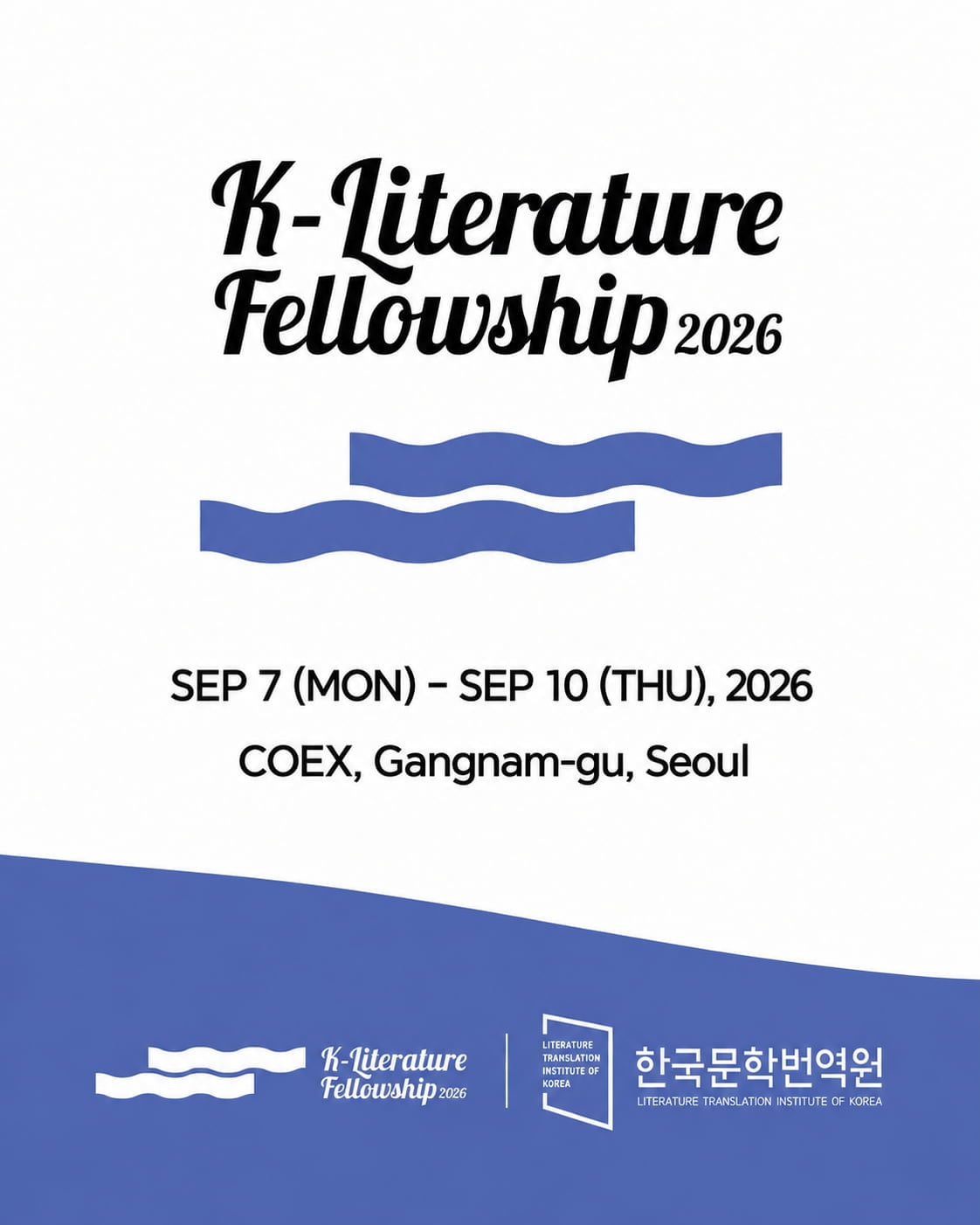
Korean Literature Translation Market Hits 120 Million Copies for Second Consecutive Year
Works translated with LTI Korea support sold approximately 1.2 million copies overseas in 2025, matching the prior year and cementing sustained demand. Over a five-year period ending 2025, supported titles reached 3.58 million copies in 40 language markets—a 90 million-unit increase from the previous five years (268 million copies). Han Kang remains the cumulative sales leader by a wide margin.

Translation Funding Gap Threatens Promising Titles
Despite rising overseas demand, Korean publishers report inability to fund human translation for complex, culturally specific language without state support. While AI translation handles routine content, nuanced Korean prose still requires professional translators—a costly step that many smaller publishers cannot afford. Industry voices are calling for expanded government translation subsidies to match competitive output from Taiwanese and Singaporean publishers.
Local view
South Korean media emphasizes the "sustainable" nature of current growth. Newsis (March 27, 2026) reported that Han Kang's National Book Critics Circle Award for We Do Not Part (translated by e. yaewon and Paige Aniyah Morris, Penguin 2025) demonstrates Korean literature moving beyond "one-time success" into durable global readership. The Korea Herald (June 9, 2026) notes that while Han Kang's works dominated domestic bestseller lists in 2025, readership has diversified to include Kim Ji-yoon, Park So-young, and other emerging voices. Korean publishers and literary agents quoted in Supple (September 2026) stress that translation bottlenecks—not reader demand—now limit export growth.
Context & numbers
- 120 million copies/year: Cumulative annual sales of LTI-supported translated Korean literature (2024–2025)
- 358 million copies: Five-year cumulative (2020–2025) through LTI translation grants, 40 language markets
- 90 million copies: Year-on-year increase in five-year aggregate vs. prior five-year period
- $3.71 billion: Size of the Korean book translation market (estimated May 2026)
- 300% growth: Increase in Korean novels translated to English since 2020
- 45% surge: Year-over-year rise in foreign publisher participation at LTI Korea's 2026 fellowship
On the radar
- October 8, 2026: Nobel Prize in Literature announcement; Han Kang's second-year international media profile expected to influence October book sales globally.
- K-Book Festival 2026 (Japan): Announced for later this year with expanded publisher recruitment; LTI Korea and Korean Cultural Foundation backing signal deepened Japanese market investment.
- National Book Award for Translated Literature (2026): Longlisted 10 titles announced September 15; no Korean works confirmed in publicly available shortlist, but category remains competitive for 2027 cycle.
- Translation subsidy expansion: Korean government discussions ongoing (per industry sources in September 2026) on matching LTI grants for small publishers; outcomes expected Q4 2026 or Q1 2027.
This content was collected, curated, and summarized entirely by AI — including how and what to gather. It may contain inaccuracies. Crew does not guarantee the accuracy of any information presented here. Always verify facts on your own before acting on them. Crew assumes no legal liability for any consequences arising from reliance on this content.
Powered by
