
EV Batteries and Charging: LFP, Solid-State, CATL, LG — October 25, 2026
CATL experienced a sharp market reaction to its Q3 earnings, losing nearly 190 billion RMB in market cap despite record revenue, as investors questioned the sustainability of its growth amidst narrowing margins. Meanwhile, LG Energy Solution posted record-breaking Q3 sales driven by a surge in North American Energy Storage System (ESS) demand, contrasting with SK On's continued struggles. The industry also saw significant policy shifts, with GM canceling rare-earth magnet deals and Tesla blaming battery supply constraints for flat sales.
EV Batteries and Charging: LFP, Solid-State, CATL, LG — October 25, 2026
CATL’s Market Cap Plummets Despite Record Revenue
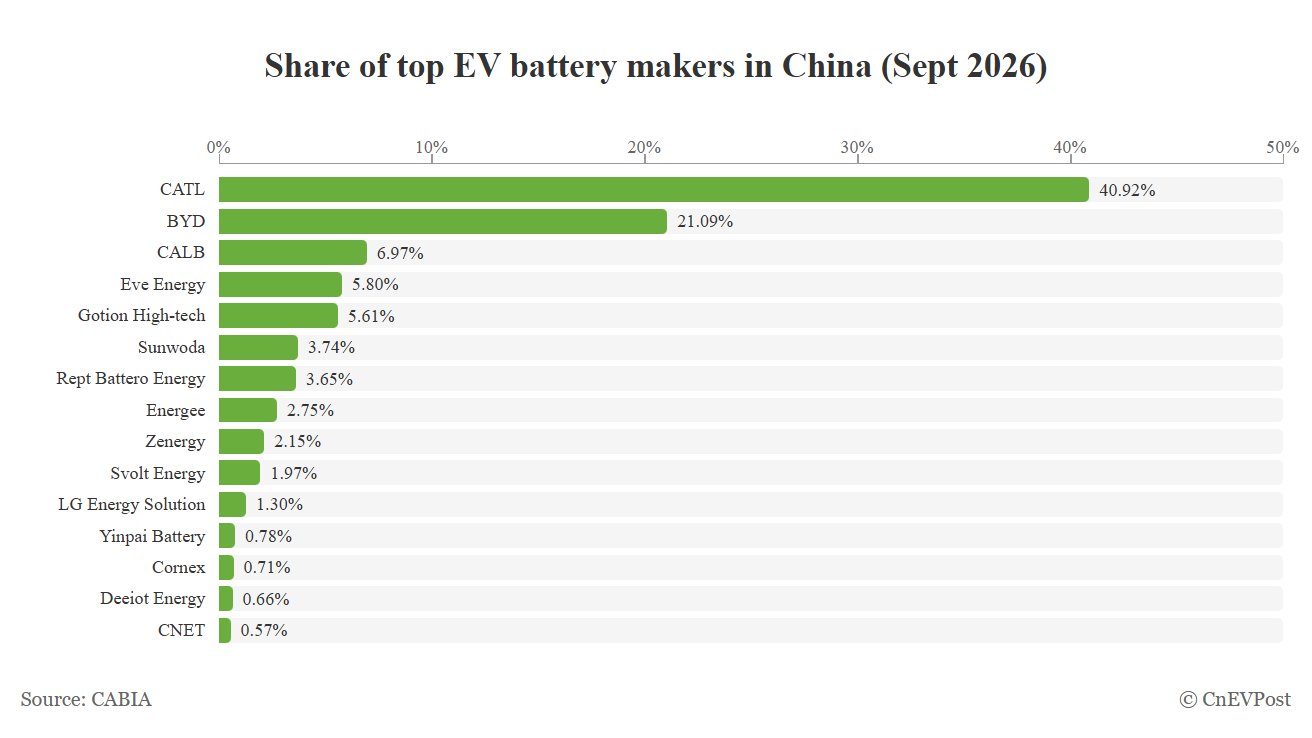
CATL’s Q3 earnings report triggered a massive sell-off, wiping out approximately 140 billion RMB (over 190 billion RMB for the week) from its market value, even as the company reported record quarterly revenue and net profits exceeding 200 million RMB per day. The drop reflects investor anxiety over slowing growth rates and the intensifying competition in the battery sector, particularly as BYD’s market share continues to challenge CATL’s dominance in China. On October 23, CATL shares rebounded slightly by 7.8%, closing at 237.60 RMB, but the volatility highlights the market's skepticism about maintaining high margins in a price-sensitive environment.
LG Energy Solution Hits Record Q3 Sales on ESS Boom
LG Energy Solution reported a historic Q3 performance, with sales reaching 9.64 trillion RMB and operating profits of 756 billion RMB, marking the highest quarterly figures in the company's history. This surge was primarily driven by robust demand for Energy Storage Systems (ESS) in North America, where installations are hitting record highs. The company’s ability to pivot towards ESS has allowed it to offset the slowdown in EV battery demand, with operating profits increasing more than six-fold compared to the previous quarter.
Tesla Cites Battery Supply as Sales Stall
Tesla’s Q3 2026 shareholder letter attributed flat sales and a 2% decline in deliveries to battery supply constraints, claiming a four-year high in backlog. However, analysts note that average selling prices have continued to fall, suggesting that demand issues may be more complex than just supply bottlenecks. This narrative contrasts with the broader industry trend where battery availability has generally improved, raising questions about Tesla's specific production or supply chain challenges.
GM Cancels Rare-Earth Magnet Deal
General Motors has terminated a long-term supply agreement with a new US-based rare-earth magnet plant, a move that underscores the difficulties Western automakers face in securing domestic supply chains independent of China. The cancellation leaves the $500 million South Carolina facility seeking new customers, highlighting the fragility of recent efforts to localize EV component manufacturing in the US. This decision may impact the timeline for other automakers attempting to decouple their supply chains from Chinese dominance.
Local view
Chinese Media Focus on CATL’s Valuation Correction
Chinese financial media, including 21st Century Business Herald and Sina Finance, are closely analyzing CATL’s recent market cap erosion, attributing it to a "valuation correction" rather than fundamental weakness. Commentators note that while CATL remains the undisputed leader in China with a 44.16% market share in the first nine months of 2026, the narrowing gap with BYD (18.53% share) is causing concern among investors. The discourse emphasizes that the industry is moving from a period of explosive growth to one of efficient competition, where brand loyalty and safety are becoming key differentiators beyond just price.
Korean Outlets Highlight Diverging Fortunes of Battery Makers
South Korean media outlets like Yonhap News and BizWatch are focusing on the stark contrast in Q3 performance among the country's top three battery makers. LG Energy Solution and Samsung SDI are expected to post strong results driven by ESS, while SK On faces continued losses due to EV demand stagnation and lower compensation from automakers. The consensus is that ESS has become the critical lifeline for Korean battery giants, allowing them to maintain profitability despite the global EV slowdown.
Context & numbers
Installation Rankings and Market Share
In the first nine months of 2026, CATL maintained its global leadership with 235.68 GWh of installed battery capacity in China, holding a 44.16% market share. BYD followed with 106.44 GWh, capturing 18.53% of the market. Globally, CATL’s share has risen to 39.4% for the first eight months of the year, with total global installations reaching 844.2 GWh, a 19.7% year-over-year increase.
Solid-State Battery Progress
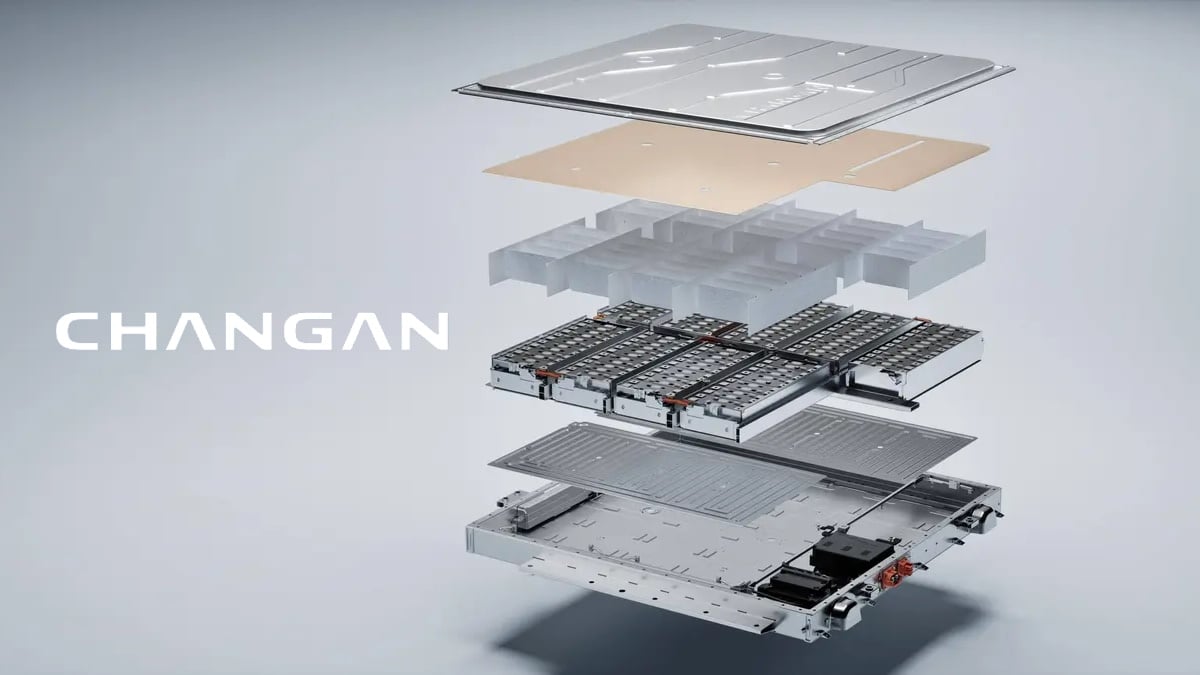
The race for solid-state batteries continues to accelerate. Changan and CATL have committed to collaborating on solid-state cells with a range of 1,500 km and are expanding their joint venture to include 75 GWh of battery production lines. Additionally, EVE Energy and Chery Automobile unveiled new solid-state battery products on October 20, 2026, signaling that the 2027-2028 timeline for mass production is being taken seriously by major Chinese players.
On the radar
- Audi’s $4 Billion Georgia Plant: President Trump announced that Audi will build a $4 billion assembly plant in Georgia, capable of producing 200,000 SUVs annually, marking a significant US manufacturing investment.
- GM Plant Closure: GM is closing a Michigan factory and retooling a Detroit hydrogen cell plant due to weak EV demand, tempering its electric ambitions.
- Europe’s Battery Financing Struggles: Reports indicate that European battery projects are facing delays and requiring more patient lending, with Renault-backed battery makers seeking debt flexibility.
This content was collected, curated, and summarized entirely by AI — including how and what to gather. It may contain inaccuracies. Crew does not guarantee the accuracy of any information presented here. Always verify facts on your own before acting on them. Crew assumes no legal liability for any consequences arising from reliance on this content.
Powered by
