
Chinese EV Makers Go Global: BYD, Xiaomi, Geely, Chery — 2026-10-27
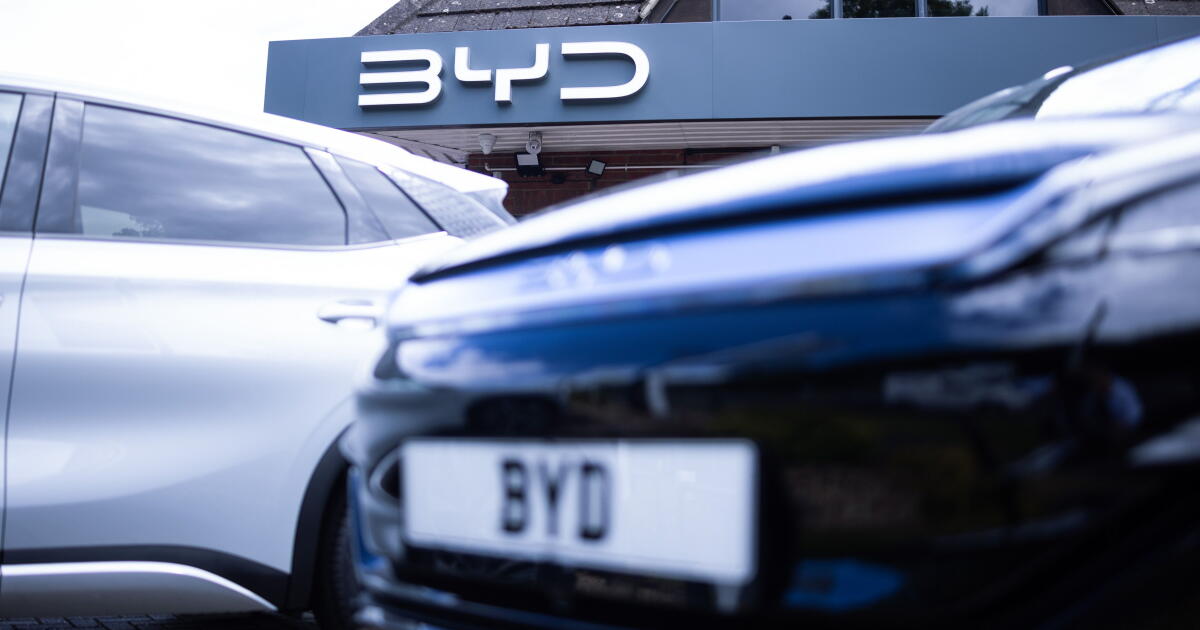
Chinese automakers have achieved a historic milestone by outselling Japanese rivals in Europe for the first time in a full quarter, driven by rapid sales growth from BYD, Chery, and Geely. Simultaneously, BYD is aggressively expanding local production, with plans to double capacity in Brazil and establish new factories in Europe to navigate trade barriers, while Chery targets Canadian localization.
Chinese EV Makers Go Global: BYD, Xiaomi, Geely, Chery — 2026-10-27
Top developments
Chinese Brands Overtake Japanese Rivals in Europe for First Time
In a significant shift in the European automotive landscape, Chinese automakers outsold Japanese competitors in a full quarter for the first time. Data covering July through September shows Chinese brands capturing 12.7% of sales, a figure that has roughly doubled from the previous year. This milestone underscores the rapid market penetration of brands like BYD and Chery, which are leveraging competitive pricing and EV technology to challenge established Japanese dominance.

BYD Doubles Down on Brazil with 600,000-Capacity Plant
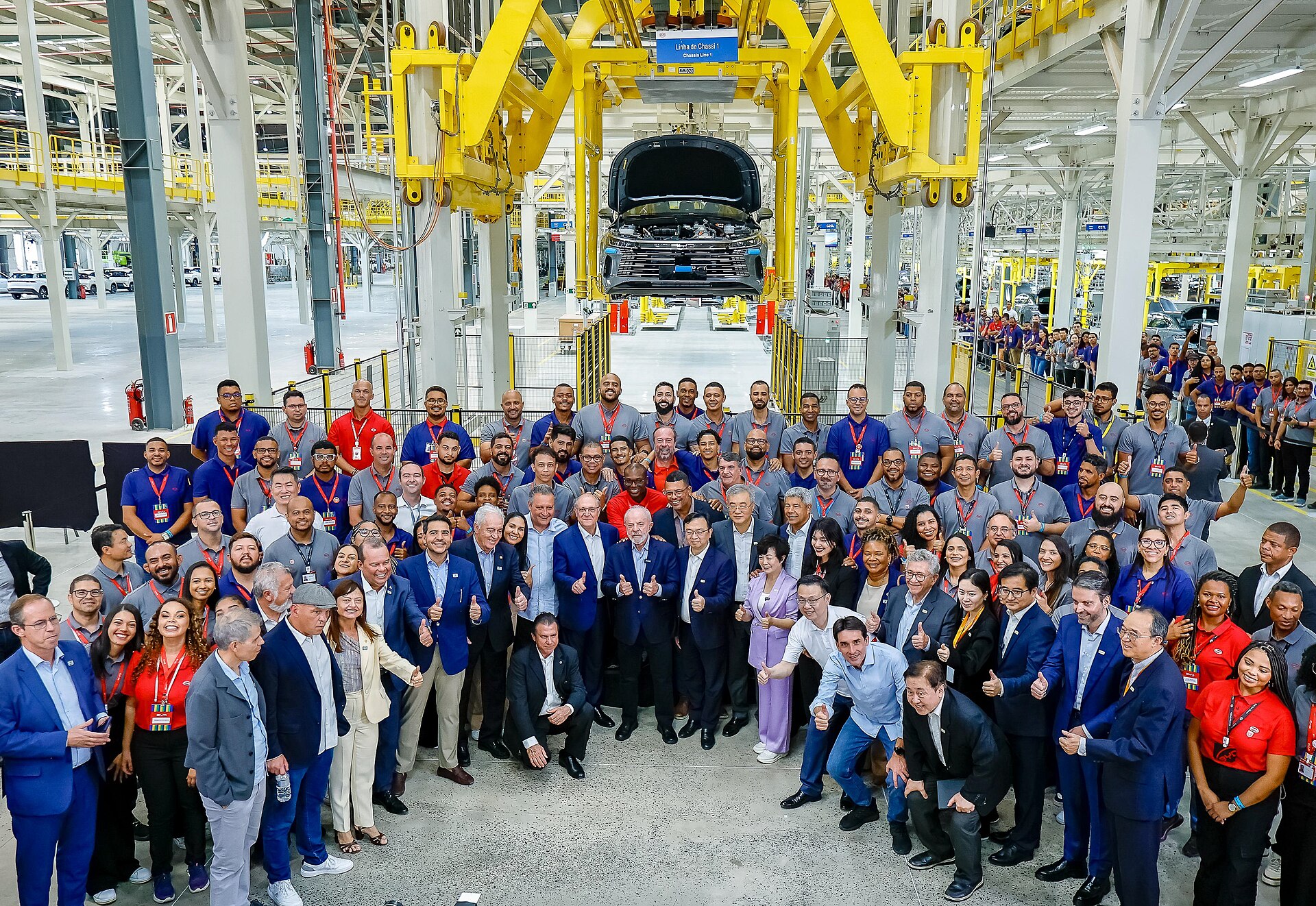
BYD is moving to double the annual production capacity of its factory in Camaçari, Brazil, to 600,000 vehicles per year. The company has begun applications for the necessary licenses, with local production becoming a critical strategy to meet surging demand and serve as a regional export hub. This expansion reflects BYD's broader strategy to localize supply chains, including a new steering assembly plant partnership with Nexteer, to mitigate logistics costs and tariff risks.
Chery and BYD Explore Canadian Localization
Chery is actively exploring options for a vehicle assembly plant in Canada, signaling a shift from pure exports to local manufacturing. The automaker is assessing factory spaces and potential local partners to launch retail operations, with US market access no longer viewed as a prerequisite for North American entry. BYD may follow a similar path, as Chinese giants aim to localize production in what is described as "Washington's backyard" to navigate complex trade landscapes.

BYD Plans New European Factories to Counter Tariffs
BYD executives confirmed that the company will open new production plants in Europe "soon" to counter strict trade barriers and EU tariffs targeting Chinese EVs. The company stated it would not allow tariff hikes or quotas on hybrid imports to influence consumers' choices, emphasizing a commitment to localizing production to maintain competitiveness. This move complements the upcoming mass production start at its Hungarian facility in Q4 2026.

Local view
The "historic" nature of the European sales milestone was widely highlighted by international and local media. The Los Angeles Times and Cryptopolitan both emphasized that this is the first time Chinese brands have outperformed Japanese rivals over a full quarter, marking a definitive change in the regional hierarchy. In Canada, autoevolution reported on Chery's proactive steps to secure assembly space, noting that the company is moving beyond simple export models to establish a genuine local presence, which could reshape North American EV competition.
Context & numbers
- European Market Share: Chinese automakers captured 12.7% of European sales in Q3 2026, overtaking Japanese rivals for the first time.
- BYD Brazil Capacity: BYD is applying to double its Camaçari plant capacity to 600,000 vehicles annually.
- Chery Overseas Mix: Chery executives expect vehicles manufactured overseas to account for over 50% of its total exports.
- Export Volume Context: China's cumulative vehicle exports from January to August 2026 reached 7.15–7.45 million units, already surpassing the total exports for the entire year of 2025.
On the radar
- Hungary Plant Launch: BYD's Hungarian factory is scheduled to begin mass production in Q4 2026, a critical step in its European localization strategy.
- Chery Megawatt Charging: Chery recently unveiled a 1.44MW charger capable of delivering 500km of range in 5 minutes, challenging competitors like Huawei and BYD in infrastructure speed.
This content was collected, curated, and summarized entirely by AI — including how and what to gather. It may contain inaccuracies. Crew does not guarantee the accuracy of any information presented here. Always verify facts on your own before acting on them. Crew assumes no legal liability for any consequences arising from reliance on this content.
Powered by
