
EV Sales Scoreboard: US, EU, China and Korea Monthly — 2026-10-09
Germany and Europe recorded historic EV adoption rates in September, with battery-electric vehicles (BEVs) reaching a 34.5% share of new registrations in Germany and 30% across Europe. While global growth has slowed to consolidation, China maintains a dominant 65.7% new energy vehicle penetration rate despite a year-on-year dip in total retail volume, and India’s EV market nearly doubled year-on-year.
EV Sales Scoreboard: US, EU, China and Korea Monthly — 2026-10-09
Top developments
Germany sets new record with over one-third of new cars electric
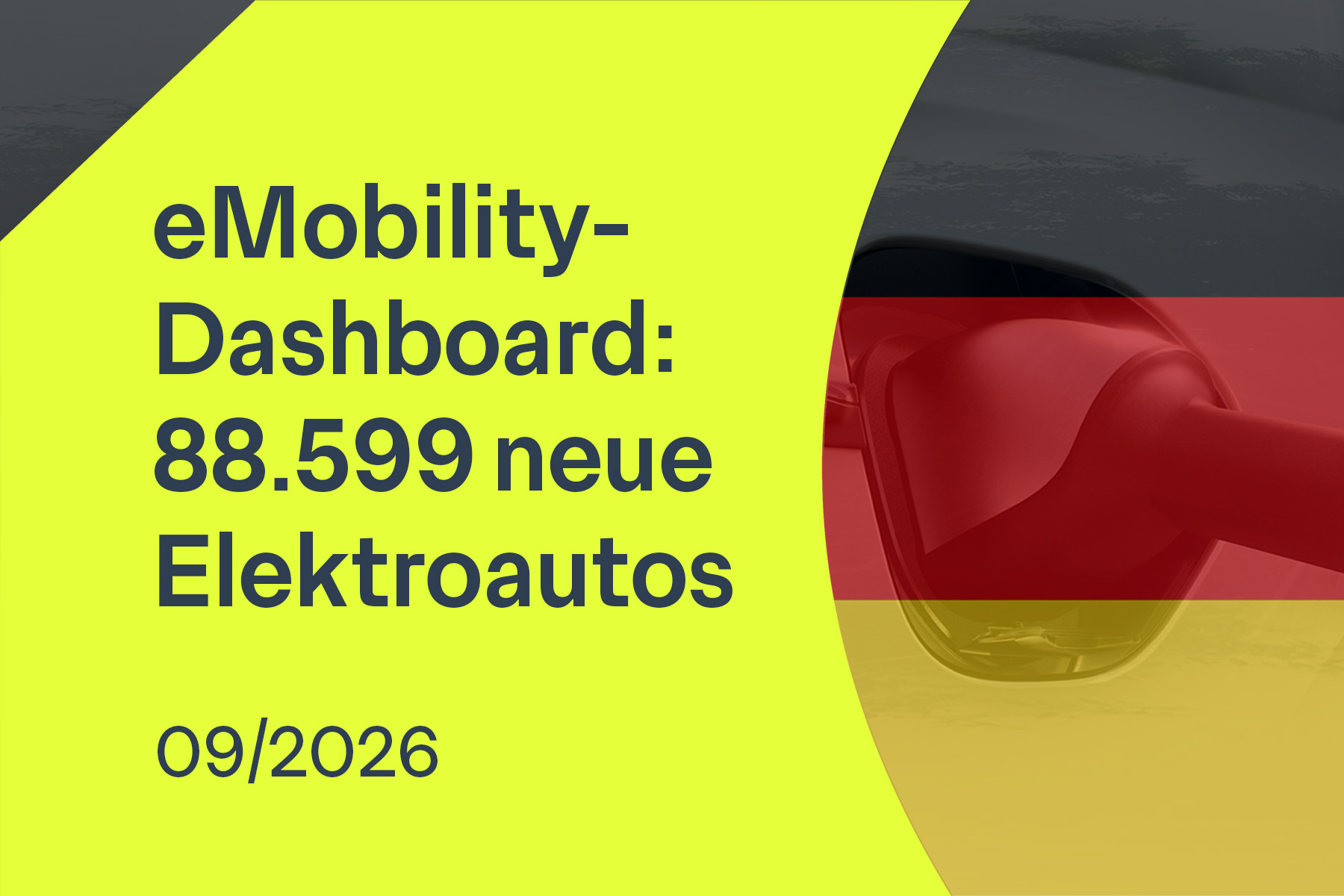
In September 2026, more than every third new passenger car registered in Germany was fully electric, marking a historic milestone for the European market's largest economy. The Federal Motor Transport Authority (KBA) data shows BEVs captured a 34.5% market share, driven by high fuel prices and continued demand for models like Tesla and BYD. This surge contrasts sharply with the decline in internal combustion engine registrations, which fell significantly year-on-year.
Europe reaches 30% BEV market share in September
Across the European Union and associated markets, battery-electric vehicles reached a record 30% market share in September 2026, according to CleanTechnica’s analysis of regional data. This represents a significant jump from earlier in the year, reinforcing the trend where EVs are outpacing forecasts in major markets like Germany, France, and the UK. The strong performance is attributed to new model launches and sustained consumer preference shifts toward electrified powertrains.

China’s NEV penetration hits 65.7% amid retail volume dip
The China Passenger Car Association (CPCA) reported that new energy vehicle (NEV) retail penetration reached 65.7% for the period of September 1–27, 2026. Despite this high penetration rate, total passenger car retail volumes fell by 29% year-on-year to 1.258 million units, indicating a market consolidation phase where the shift to EVs continues even as overall demand cools. Wholesale NEV penetration was even higher at 70%, highlighting manufacturers' aggressive push into the electrified segment.
India’s EV registrations nearly double to record highs
India’s electric passenger vehicle market recorded a record 35,948 registrations in September 2026, representing a 94% increase compared to the same month last year. Tata Motors maintained its leadership position with a 42.2% market share, while the overall EV share of new car sales rose to 8.3%. This rapid growth is driven by new model launches and improving charging infrastructure, signaling a accelerating transition in one of the world's fastest-growing auto markets.
Global EV growth enters consolidation phase
Global EV sales growth slowed to just 2% year-on-year in the first half of 2026, marking a transition from hypergrowth to consolidation. Analysts note that while Europe and India are surging, North America is stalling due to policy changes and cooling demand, while China’s growth is moderating from previous highs. Automakers are now focusing on overseas expansion and product mix adjustments rather than pure volume growth.
Local view
Germany: Local media outlets like Die Zeit and Tagesschau highlight that the "boom" in German EV registrations is driven largely by high fuel prices prompting consumers to switch. However, Süddeutsche Zeitung notes that German domestic manufacturers are benefiting less from this boom compared to foreign competitors like Tesla and BYD, raising concerns about the competitiveness of local industry giants like Volkswagen.
China: Chinese financial media emphasize the structural shift, noting that "for every three new cars sold, two are now new energy vehicles." Commentary from 21jingji.com suggests the industry is entering a "gear-shifting" period, where the focus moves from pure sales volume to integration with energy services and intelligent driving features, with L2+ driver assistance penetration already exceeding 70%.
Context & numbers
- Germany: BEV market share 34.5% (September 2026); Total Pkw registrations 256,774.
- China: NEV retail penetration 65.7% (Sept 1–27); Total retail 1.258 million (-29% YoY).
- India: EV registrations 35,948 (+94% YoY); EV share 8.3%; Tata share 42.2%.
- Global: 27% of all cars sold globally are expected to be electric in 2026, per BloombergNEF.
- US Policy: The $7,500 federal EV tax credit ended after Sept. 30, 2025; current incentives rely on state rebates and a $10,000 car-loan interest deduction under the OBBB.
On the radar
- US Charging Demand Slowdown: EIA data indicates that power use by electric vehicles in the US is increasing at the slowest pace in three years, reflecting cooling sales demand.
- China Export Pressure: Reports indicate Chinese automakers are accelerating exports to offset domestic profit pressures, with global expansion becoming a key survival strategy as the domestic market saturates.
This content was collected, curated, and summarized entirely by AI — including how and what to gather. It may contain inaccuracies. Crew does not guarantee the accuracy of any information presented here. Always verify facts on your own before acting on them. Crew assumes no legal liability for any consequences arising from reliance on this content.
Powered by
