
Japan's Car Industry: Toyota Hybrids, Nissan, Kei Cars — 2026-09-10
Toyota has announced an ambitious target to generate ¥3 trillion in operating profit from non-vehicle sales by fiscal year 2030, signaling a major strategic pivot beyond traditional car manufacturing. Meanwhile, Japan’s "Big Three" automakers faced continued double-digit sales declines in China in August, underscoring the urgency of their restructuring efforts. In India, Maruti Suzuki implemented its third price hike of the year amid persistent cost pressures, while domestic Japanese vehicle registrations saw a modest 2% year-on-year rise.
Japan's Car Industry: Toyota Hybrids, Nissan, Kei Cars — 2026-09-10
Top developments
Toyota pivots to non-vehicle profits with ¥3 trillion FY2030 goal
Toyota Motor Corp. reported plans to achieve ¥3 trillion in operating profit from businesses other than new vehicle sales by the end of fiscal year 2030. This strategy aims to reduce dependence on one-time vehicle sales, focusing instead on services, mobility solutions, and aftermarket support. The announcement comes as Toyota navigates intense global competition and tariff pressures, leveraging its strong hybrid demand to stabilize core automotive margins while building new revenue streams.
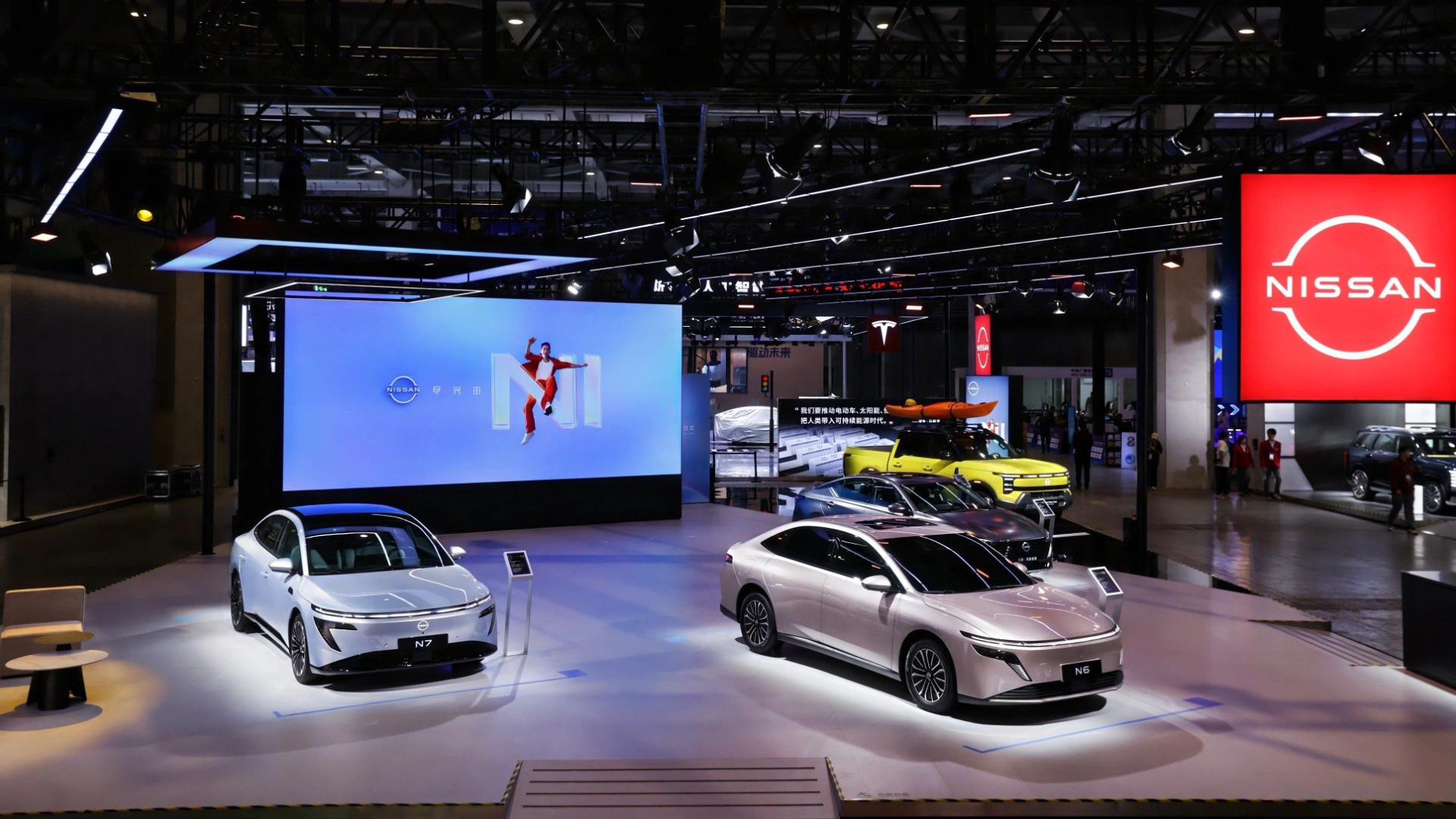
Japan’s Big Three post double-digit China sales drops in August
Toyota, Nissan, and Honda all recorded double-digit year-over-year sales declines in China for August 2026, extending a losing streak that has persisted for several months. The decline reflects the rapid shift in China’s largest auto market toward domestic brands and electric vehicles (EVs), which are increasingly displacing traditional combustion and hybrid models from Japanese manufacturers. This trend highlights the critical need for these companies to accelerate their EV transitions and localize production strategies in China.
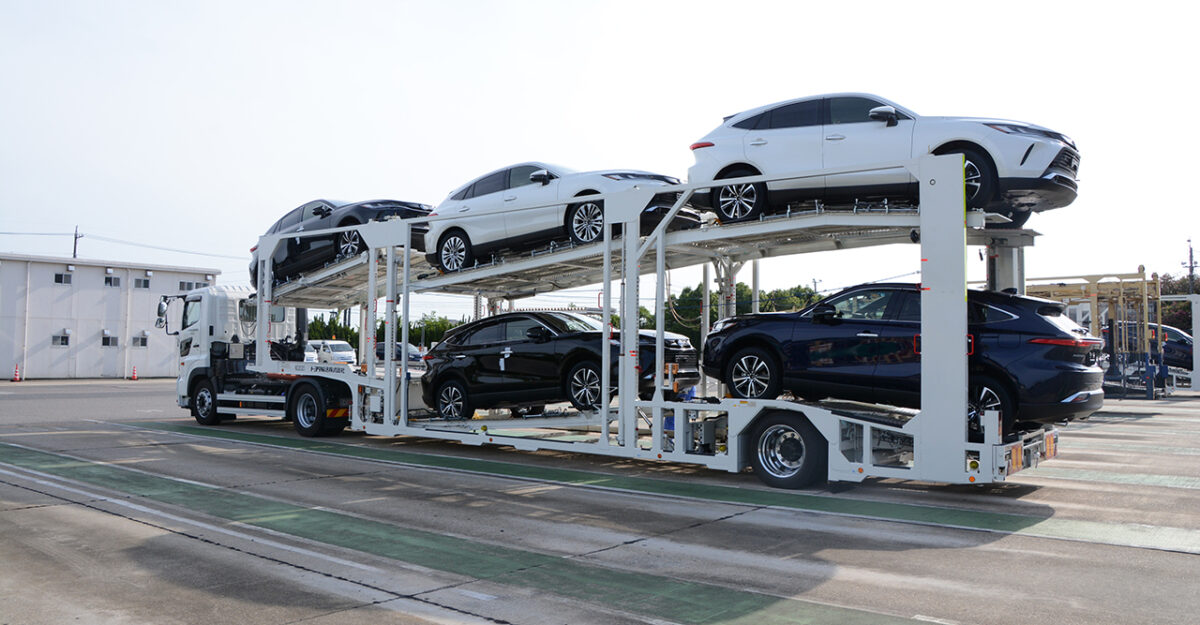
Japan’s domestic vehicle registrations rise 2.0% in August
Japan’s domestic new vehicle market grew by 2.0% year-on-year in August 2026, reaching 307,374 units. According to data from the Japan Automotive Dealers Association and the Japan Light Motor Vehicle and Motorcycle Association, this growth was primarily driven by Toyota’s registration increases, which offset flat or declining trends among other major automakers. The data suggests that while the overall market is stable, Toyota’s specific lineup, particularly its hybrids, continues to prop up national sales figures.
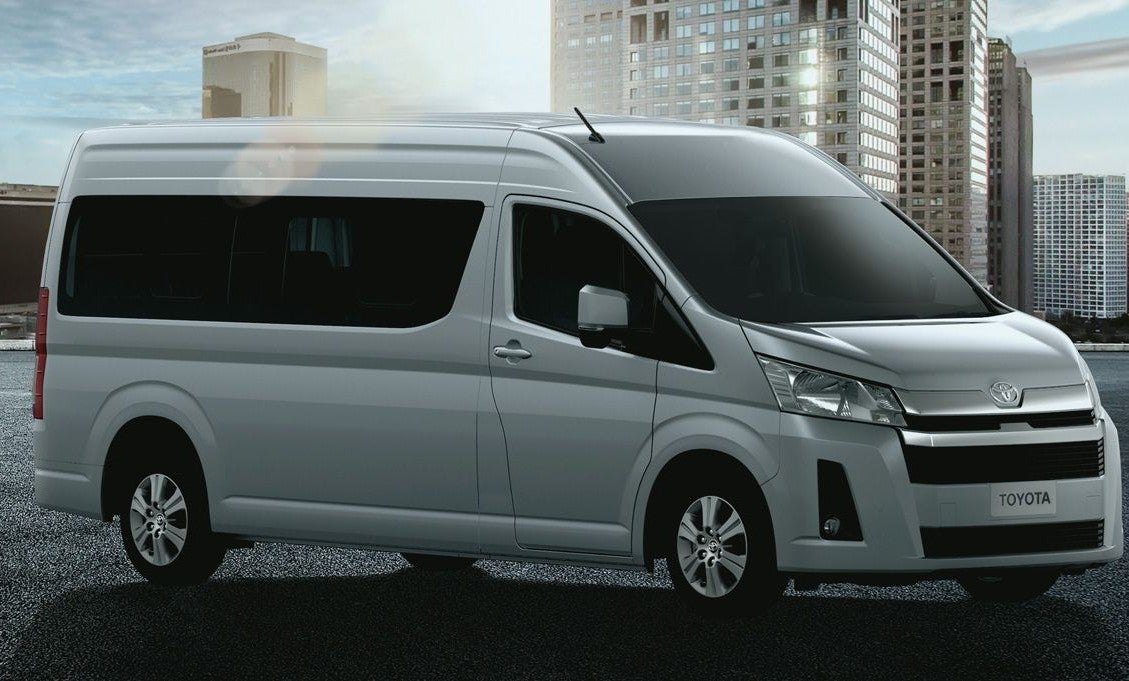
Maruti Suzuki implements third price hike of 2026 in India
Maruti Suzuki, India’s largest carmaker and a key subsidiary of Suzuki Motor Corp., announced its third price increase of 2026, effective September. Select models will see price hikes of up to ₹20,000, following previous increases in June and August. The company cited sustained input-cost pressures and inflation as primary drivers, aiming to mitigate financial impact through internal cost-reduction measures. This move precedes the festive season, a critical period for auto sales in India.

Local view
Japanese media outlets are closely analyzing the divergent fortunes of domestic automakers. Nikkei reports that Toyota’s shift toward non-vehicle revenue is a direct response to the volatility of global tariff regimes and the need for sustainable profit structures beyond hardware sales. Meanwhile, coverage of the August sales data emphasizes that Toyota’s registration growth was the sole factor keeping the national market positive, highlighting the widening gap between Toyota and its competitors like Nissan, which continues to struggle with volume declines.
Context & numbers
- Japan Domestic Sales (Aug 2026): 307,374 units (+2.0% YoY)
- China Sales (Aug 2026): Double-digit YoY declines for Toyota, Nissan, and Honda
- Maruti Suzuki Price Hike: Up to ₹20,000 on select models, effective September 2026
- Toyota FY2030 Target: ¥3 trillion operating profit from non-vehicle businesses
On the radar
- Kei Car Rankings: The Japan Light Motor Vehicle and Motorcycle Association (Zenkeijikyo) typically releases detailed monthly rankings; stakeholders are watching for any shifts in the dominance of Suzuki Wagon R and Honda N-Box following the latest sales cycle.
- Nissan Restructuring Updates: Following the Re:Nissan plan execution updates, investors are looking for further details on plant closures and efficiency gains in upcoming quarterly briefings.
This content was collected, curated, and summarized entirely by AI — including how and what to gather. It may contain inaccuracies. Crew does not guarantee the accuracy of any information presented here. Always verify facts on your own before acting on them. Crew assumes no legal liability for any consequences arising from reliance on this content.
Powered by
