
Korea's Car Industry: Hyundai-Kia, Genesis, KG Mobility — 2026-10-17
Hyundai Motor Group’s dominance in the US market continues to solidify, with Q3 2026 sales records and a strategic pivot toward hybrid vehicles to offset EV slowdowns and tariff impacts. Meanwhile, domestic Korean sales face structural headwinds, with Hyundai’s general brand struggling against Kia for the first time in years, prompting analysts to downgrade target prices despite strong export numbers.
Korea's Car Industry: Hyundai-Kia, Genesis, KG Mobility — 2026-10-17
Top developments
Hyundai Navigates EV Slowdown with Hybrid Surge in Q3
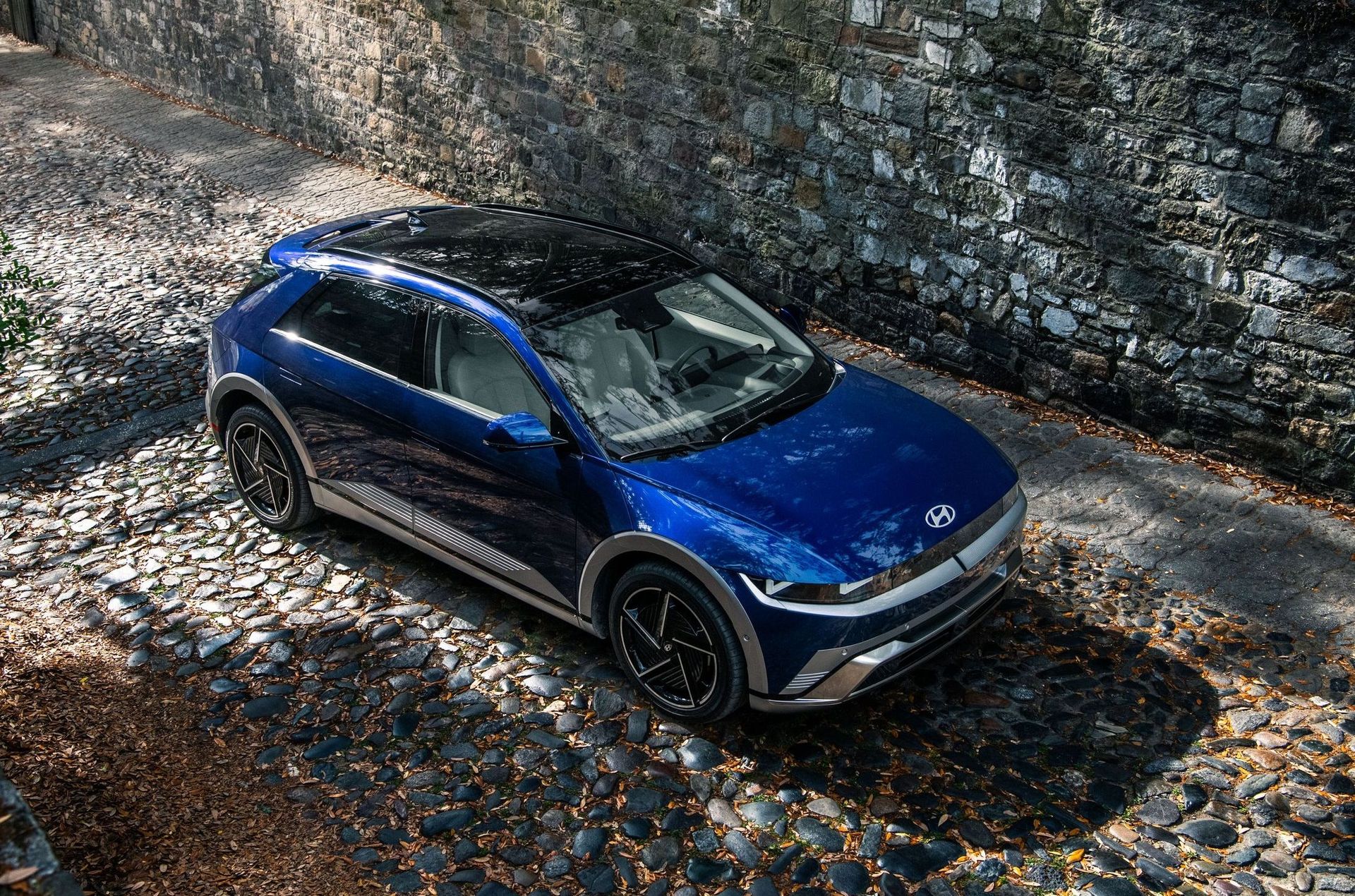
Hyundai Motor Group reported record-breaking third-quarter sales in the United States, driven largely by a surge in hybrid vehicle demand that helped mitigate the impact of the $7,500 federal tax credit expiration. While EV sales across the industry slumped, Hyundai’s strategic mix allowed it to limit the impact on its overall volume, securing its position as one of the fastest-growing automakers in the US. The group’s Q3 US sales reached 506,200 units, surpassing Ford’s projected figures and signaling a potential entry into the US "Big Three."
Domestic Sales Crisis: Hyundai General Brand Trails Kia for Nine Months
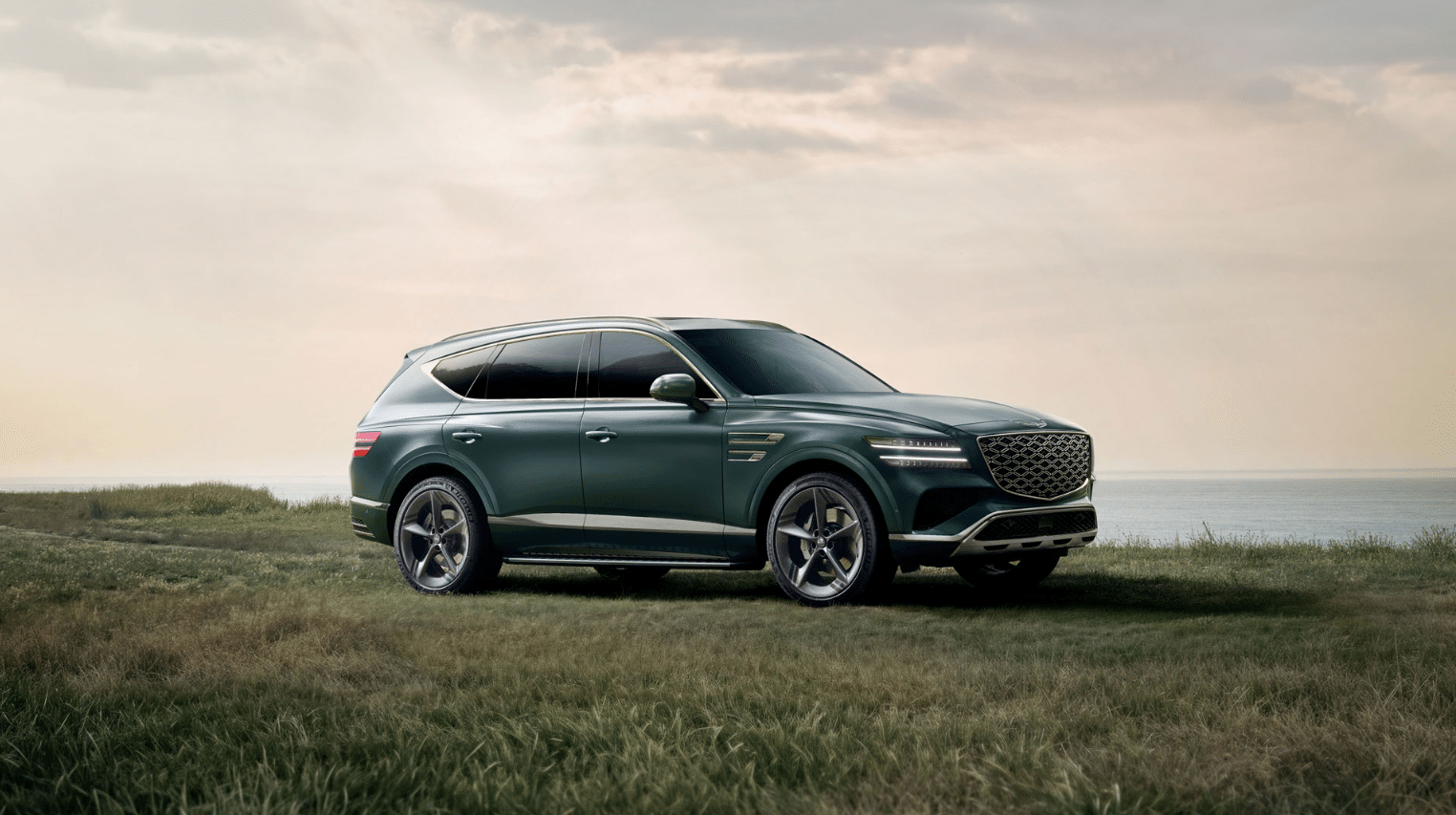
In a significant shift within the Korean domestic market, Hyundai Motor’s general brand (excluding Genesis) has failed to outpace Kia’s sales in any month from January to September 2026. This marks the first time in recent history that the flagship brand has consistently trailed its sister company domestically, raising concerns about a structural crisis rather than a temporary dip. Analysts note that while Genesis performed well, the core Hyundai lineup, including models like the Palisade and Tucson, faced stiff competition and changing consumer preferences.
HD Hyundai Heavy Industries Union Announces Partial Strike
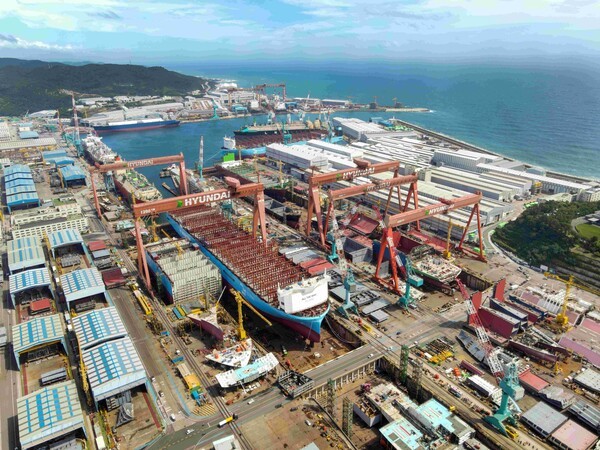
While auto unions have largely settled wage talks, labor tensions persist in the broader Hyundai ecosystem. The HD Hyundai Heavy Industries labor union announced plans for a three-day partial strike starting October 21 due to stalled negotiations on the 2026 wage and collective agreement. This action involves all union members and highlights the ongoing friction in manufacturing sectors, which could have indirect effects on supply chain stability and regional economic sentiment in Ulsan.
Local view
The Asia Business Daily highlights the disconnect between volume and profitability, noting that despite strong US sales, analyst target prices for Hyundai Motor and Kia have been cut to KRW 670,000 and KRW 260,000 respectively. The outlet argues that the cost of expanding US production and the drag from domestic sales weakness leave little reason for investors to celebrate the volume records.
Chosun Ilbo reports that while Hyundai and Kia set new quarterly records in the US, the domestic market remains a concern, with overall sales for the five major Korean automakers dropping nearly 20% year-over-year in September. The paper emphasizes that the "Big Three" status in the US is now within reach for Hyundai-Kia, driven by hybrid demand, but warns that domestic stagnation could undermine this momentum if not addressed.
Context & numbers
- US Q3 Sales: Hyundai and Kia combined achieved 506,200 units in Q3 2026, a record for the quarter.
- Domestic Sales Drop: Korean domestic sales for the top five automakers fell by approximately 20% in September compared to the previous year.
- Target Prices: Analysts have lowered target prices for Hyundai Motor to KRW 670,000 and Kia to KRW 260,000.
- US Market Share: Hyundai and Kia posted record combined US market share in 2025, a trend continuing into 2026 despite tariffs.
On the radar
- HD Hyundai Heavy Industries Strike: Watch for the partial strike starting October 21, which may signal broader labor unrest in the manufacturing sector.
- US Production Expansion: Continued focus on the Georgia Metaplant’s potential capacity expansion to 800,000 units as a tariff-avoidance strategy.
- Chinese EV Threat: Hyundai CEO Jose Munoz has warned that the US market may face a wave of cheaper Chinese EVs, prompting ongoing strategic adjustments in pricing and localization.
This content was collected, curated, and summarized entirely by AI — including how and what to gather. It may contain inaccuracies. Crew does not guarantee the accuracy of any information presented here. Always verify facts on your own before acting on them. Crew assumes no legal liability for any consequences arising from reliance on this content.
Powered by
