
Robotaxi Race: Waymo, Apollo Go, Zoox, Pony and WeRide — 2026-09-03
The global robotaxi race intensified this week as Uber and Wayve launched the UK's first driverless taxi service in London, while Alphabet’s Waymo expanded paid operations to three new US cities. Simultaneously, Amazon’s Zoox began testing in Houston and San Diego, and a safety incident in San Francisco involving a Waymo vehicle and a toddler sparked renewed local scrutiny.
Robotaxi Race: Waymo, Apollo Go, Zoox, Pony and WeRide — 2026-09-03
Top developments
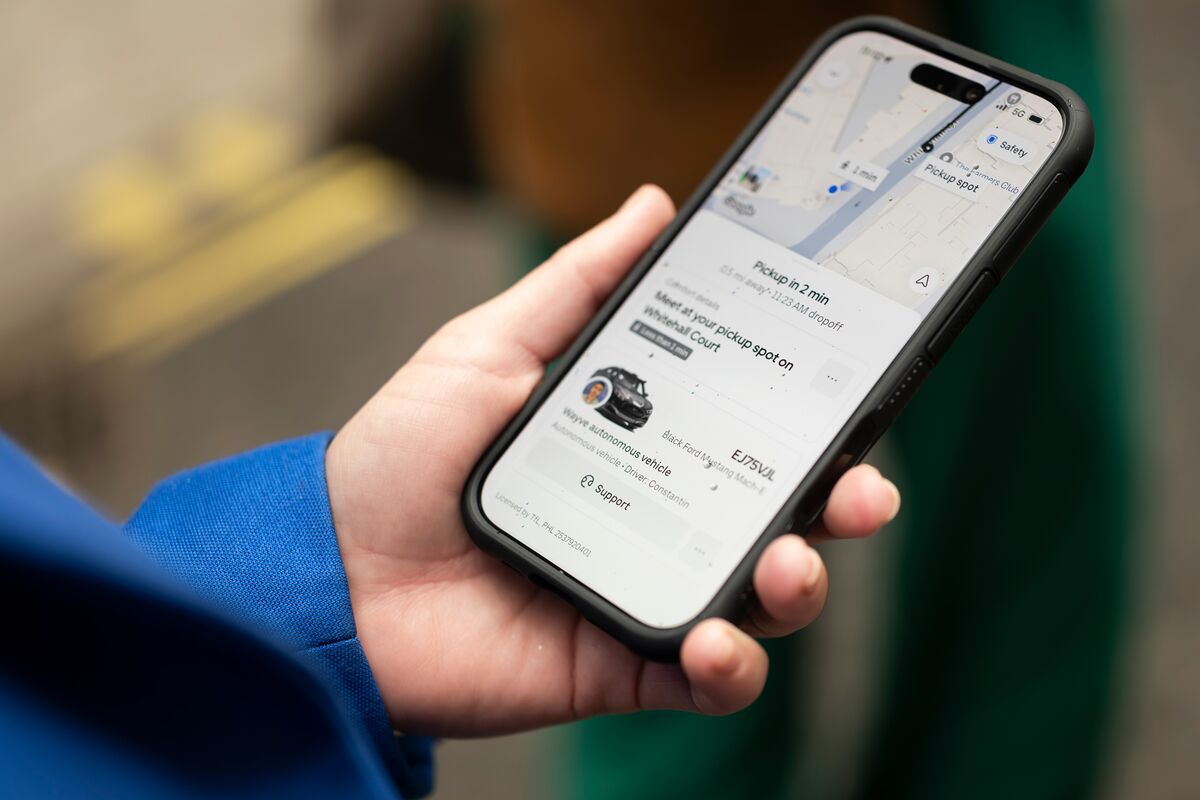
Uber and Wayve Launch UK's First Driverless Taxi Service in London
On September 3, 2026, Uber and British autonomous driving firm Wayve officially launched commercial driverless taxi services in London, marking the first such service in the United Kingdom. The rollout utilizes Ford Mustang Mach-E vehicles equipped with Wayve’s AI software, aiming to navigate the complex traffic conditions of London’s historic streets. This launch positions Europe as a key battleground for autonomous mobility, with regulators closely monitoring safety performance on roads that present unique challenges compared to US test markets like Phoenix or San Francisco.
Waymo Goes Live in Denver, San Diego, and Tampa; Zoox Begins Testing
Alphabet’s Waymo launched fully driverless, paid rides in Denver, San Diego, and Tampa on September 1, 2026, bringing its total US operational footprint to 14 cities. Concurrently, Amazon-owned Zoox announced it would begin human-driven fleet testing in Houston and San Diego, preparing for future commercial launches. The simultaneous expansion highlights the aggressive scaling strategies of major players, with Waymo targeting one million weekly rides by year-end and Zoox accelerating its path to regulatory approval for purpose-built vehicles.

Safety Scrutiny: Waymo Incident Involving Toddler in San Francisco
A controversy emerged in San Francisco after a father claimed a Waymo robotaxi nearly hit his toddler who had fallen in a crosswalk. Waymo stated that its vehicle had already stopped by the time the father intervened to block the car, asserting no fault on the part of the autonomous system. While no injuries were reported, the incident has fueled ongoing debates among local residents and officials regarding the interaction between robotaxis and vulnerable road users in dense urban environments.
Local view
In London, media coverage focuses on the historic nature of the Uber-Wayve launch, with outlets like Autocar and The Independent highlighting the challenge of navigating "centuries-old roads" and the regulatory caution that has kept European deployment slower than in the US. Local stakeholders are watching closely to see if the service can handle London’s notorious congestion without the human safety drivers common in earlier trials.
In San Diego, local press emphasized the dual arrival of competitors, noting that while Waymo went live with paid rides, Zoox began testing and Tesla’s Cybercabs were also spotted roaming the streets, creating a multi-player environment in the city.
Context & numbers
- Waymo Scale: As of early September 2026, Waymo operates in 14 US cities with a fleet of approximately 3,500 vehicles, delivering about 500,000 paid rides per week. The company aims to reach one million weekly rides by the end of the year.
- Pony.ai Expansion: Following an August announcement, Pony.ai is expanding its partnership with Uber to deploy over 2,000 robotaxis across five European cities, including Zagreb, signaling a significant push into international markets beyond China.
- Market Value: The race is driven by a projected $19 billion market opportunity, with companies prioritizing fleet size and geographic coverage to achieve commercial viability.
On the radar
- Zoox Testing Phase: Watch for updates on Zoox’s transition from human-driven testing in Houston and San Diego to fully driverless operations, pending NHTSA exemptions and state approvals.
- European Regulation: The success of the Uber-Wayve launch in London will likely influence regulatory decisions in other EU countries, particularly Germany, where Waymo plans to enter by 2027.
- Safety Standards Legislation: Ongoing scrutiny in the US, including calls from Rep. Kevin Mullin for federal minimum safety standards, could lead to new compliance requirements for all operators in upcoming legislative sessions.
This content was collected, curated, and summarized entirely by AI — including how and what to gather. It may contain inaccuracies. Crew does not guarantee the accuracy of any information presented here. Always verify facts on your own before acting on them. Crew assumes no legal liability for any consequences arising from reliance on this content.
Powered by
